55 articles to prepare your trip
A protected estuary on the northern coast of Yucatán, Ría Lagartos is home to one of North America's largest pink flamingo colonies, labyrinthine mangrove forests, and the famous pink lagoons of Las Coloradas.
Santiago Matatlán, nestled in the Tlacolula Valley, is home to Oaxaca's most authentic artisanal mezcal distilleries. Earth ovens, stone mills, and clay stills: the Zapotec tradition of maguey comes alive here at every turn.
San Antonio Arrazola, in the Oaxaca valley, is the village where the tradition of hand-carved and hand-painted copal wood alebrijes was born. Open workshops, accessible artisans, ideal to combine with Monte Albán.
Puerto Chale is an isolated coastal village in Baja California Sur, facing a Pacific lagoon frequented by grey whales from January to April. Raw nature, mangroves, and guaranteed silence.
Playa Coral is a tranquil beach in Puerto Escondido, cherished for its sheltered waters and accessible marine life perfect for snorkeling, far from the bustle of the region's surf breaks.
Housed in the Baluarte de la Soledad, this museum brings together Maya stelae and sculptures from the region within a 17th-century colonial bastion, at the heart of Campeche's UNESCO-listed historic center.
A few kilometers north of Bacalar, Los Rápidos is a natural channel where the turquoise waters of Bacalar Lagoon flow with enough force to carry swimmers, set within the unspoiled landscape of Quintana Roo.
The K'oox Baal Cenotes, in the Tulum area, offer an immersion into the Yucatán's underground karst network: crystal-clear waters, stalactites and pristine jungle atmosphere, away from the region's most crowded sites.
Facing Valladolid's main plaza, the Cathedral of San Gervasio is one of the oldest religious buildings in Yucatán. Baroque limestone façade, gilded altarpiece, and colonial atmosphere steps away from cenotes.
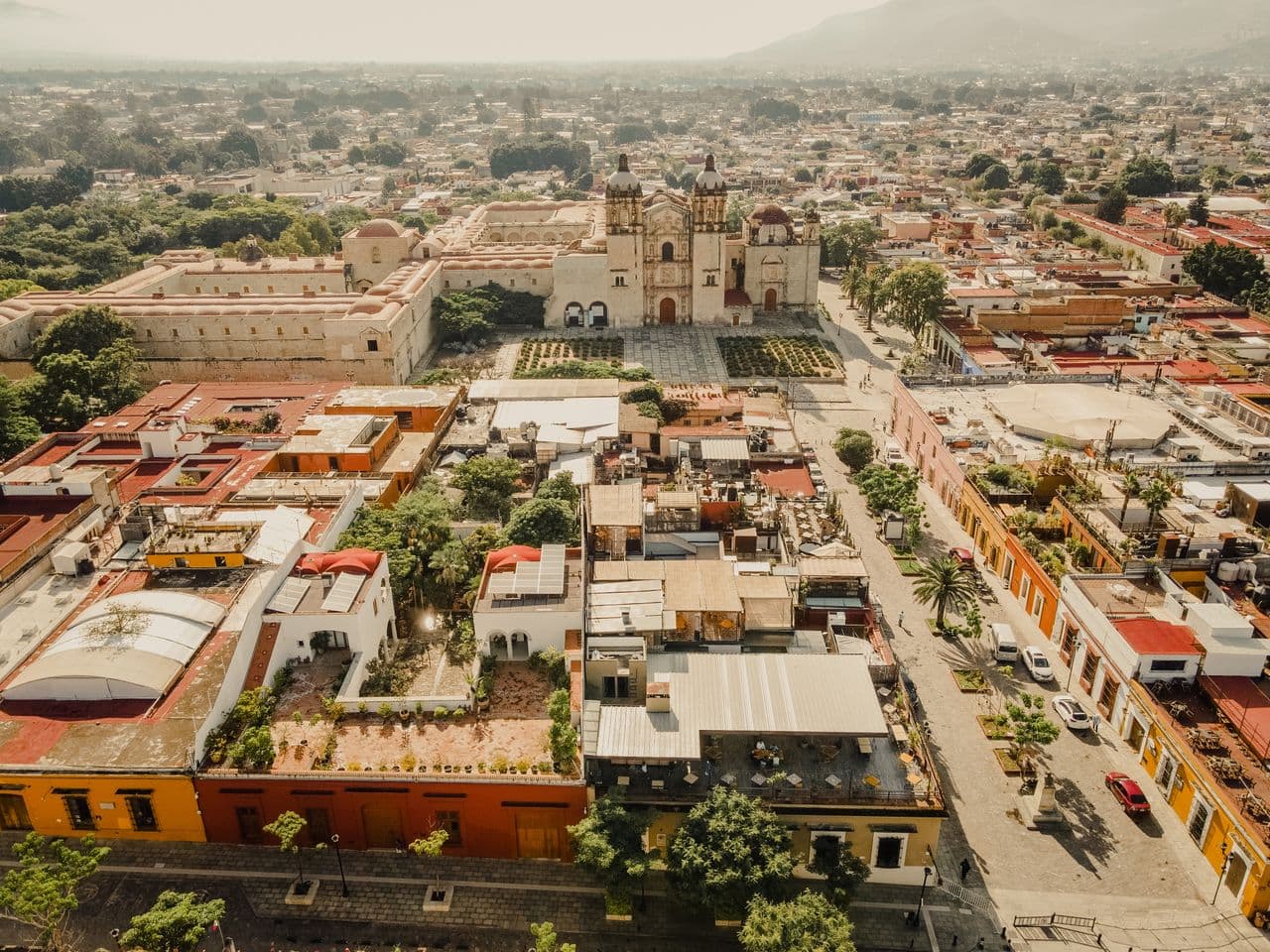
The Zócalo of Oaxaca de Juárez, the city's central plaza, concentrates the Baroque cathedral in green cantera stone, the Government Palace with its Zapotec frescoes, and the daily animation of a city listed as a UNESCO World Heritage site.
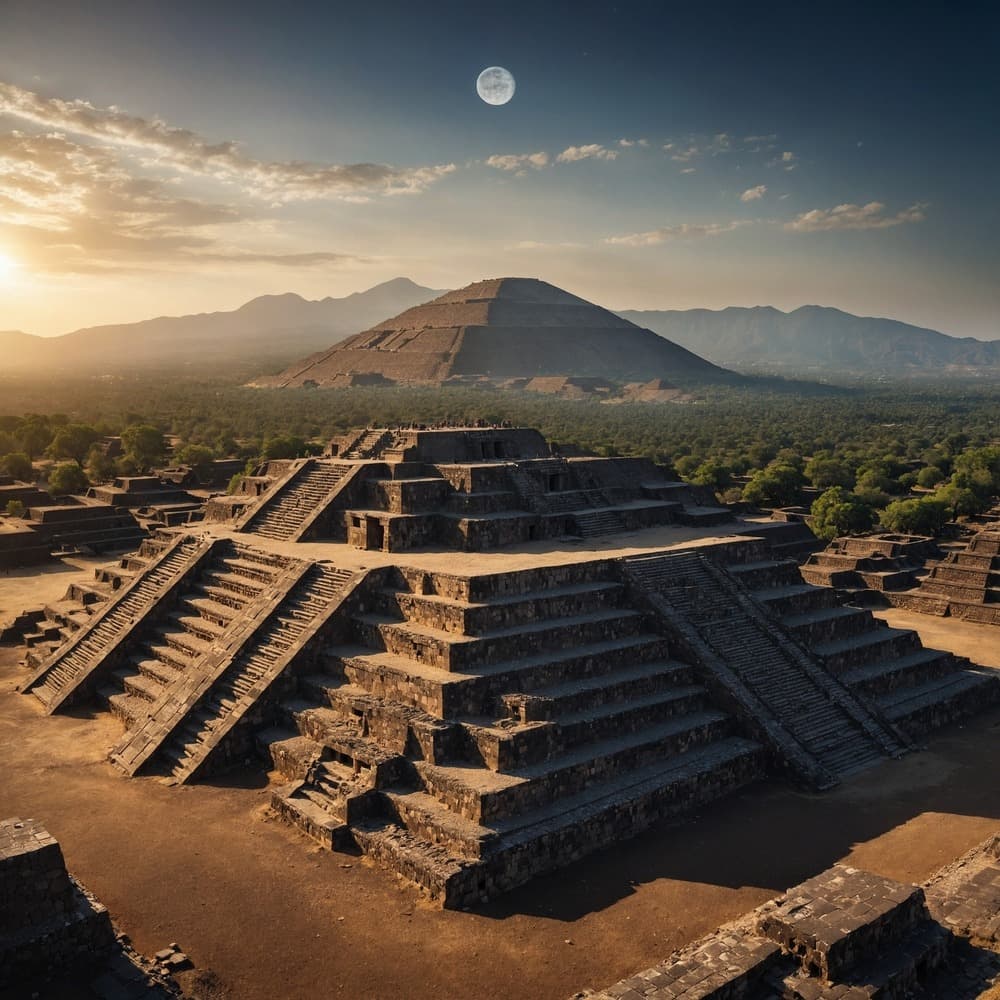
Fifty kilometers from Mexico City, Teotihuacán aligns monumental pyramids and pre-Hispanic frescoes along a four-kilometer avenue. A UNESCO-listed site best visited early morning to avoid crowds and heat.
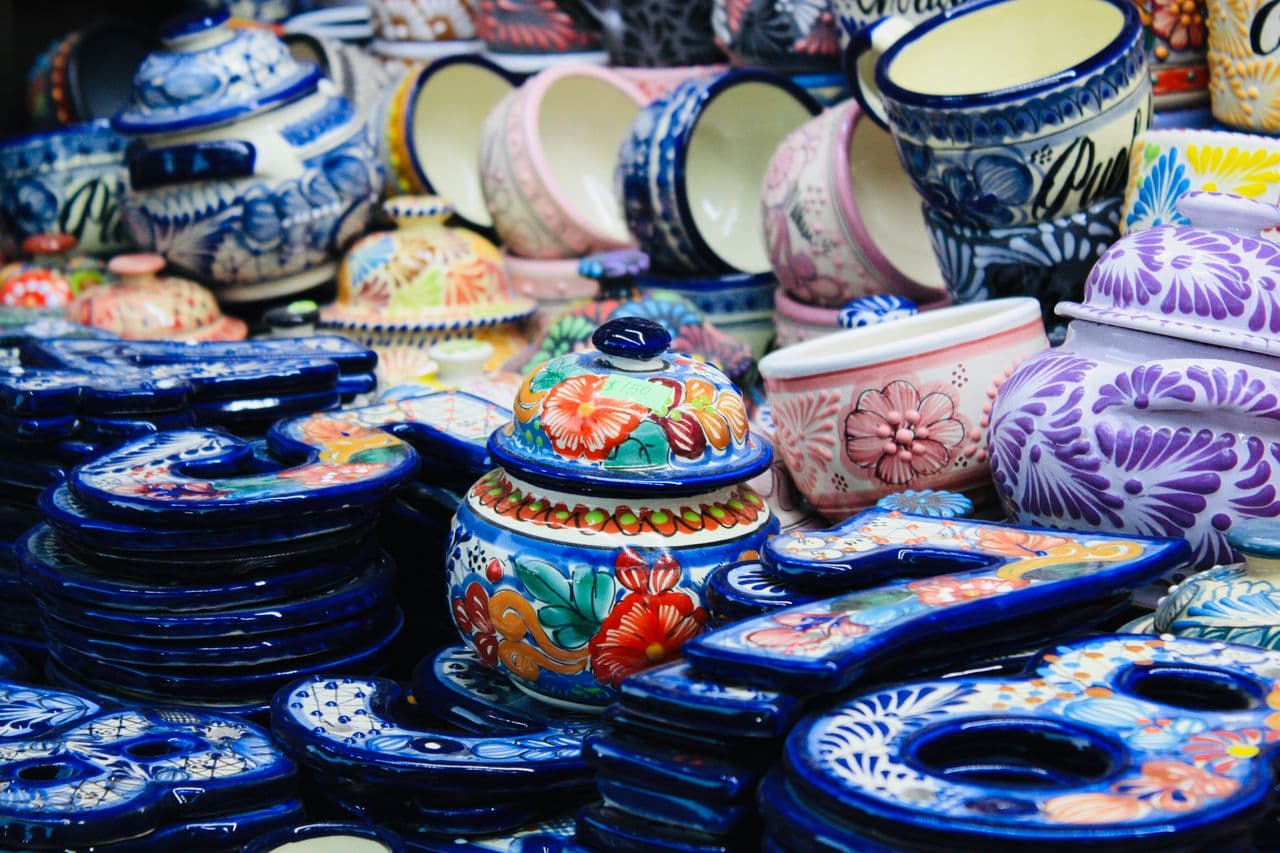
Founded in 1824, Uriarte Talavera is one of the oldest and most renowned talavera ceramic manufactories in Puebla. Workshop tour, live demonstrations, and shop featuring UNESCO-certified pieces.
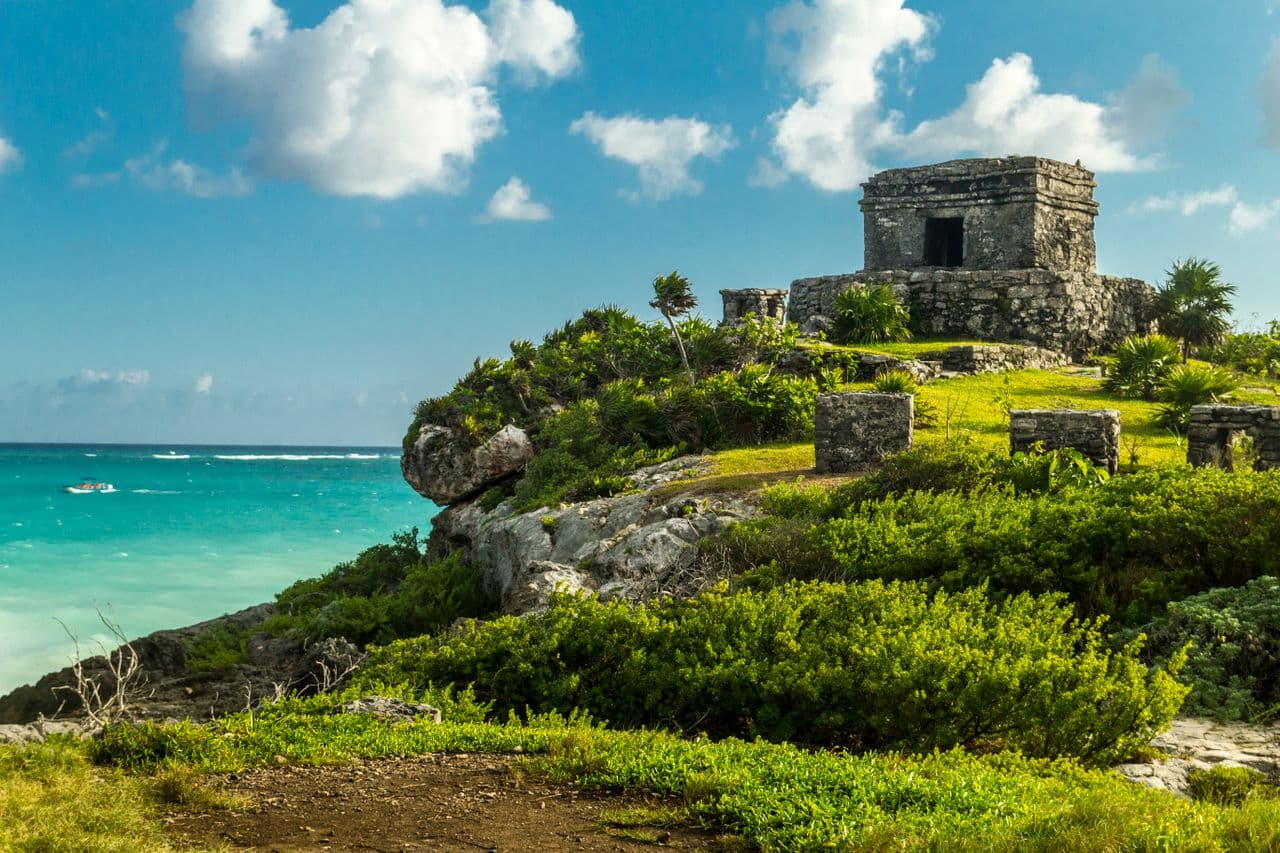
The Temple of the Descending God houses the clearest representation of this winged, inverted deity in Maya art, at the heart of the Tulum archaeological site, overlooking the Caribbean Sea.
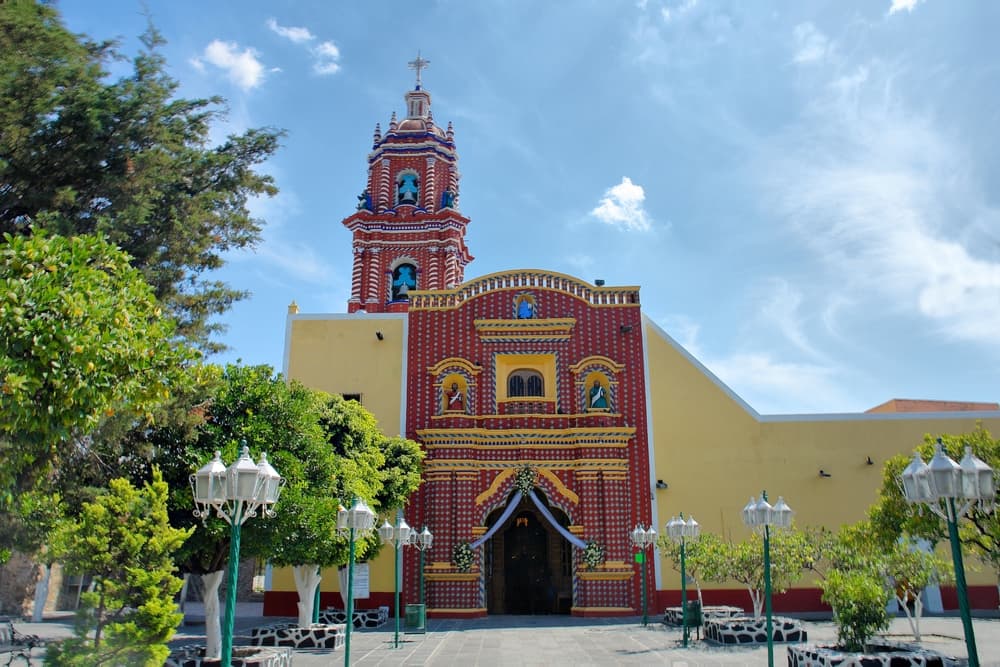
In San Andrés Tonantzintla, near Cholula, this colonial baroque temple conceals an interior entirely covered in polychrome stucco and indigenous figures — a unique Catholic-Nahua syncretism in Mexico.
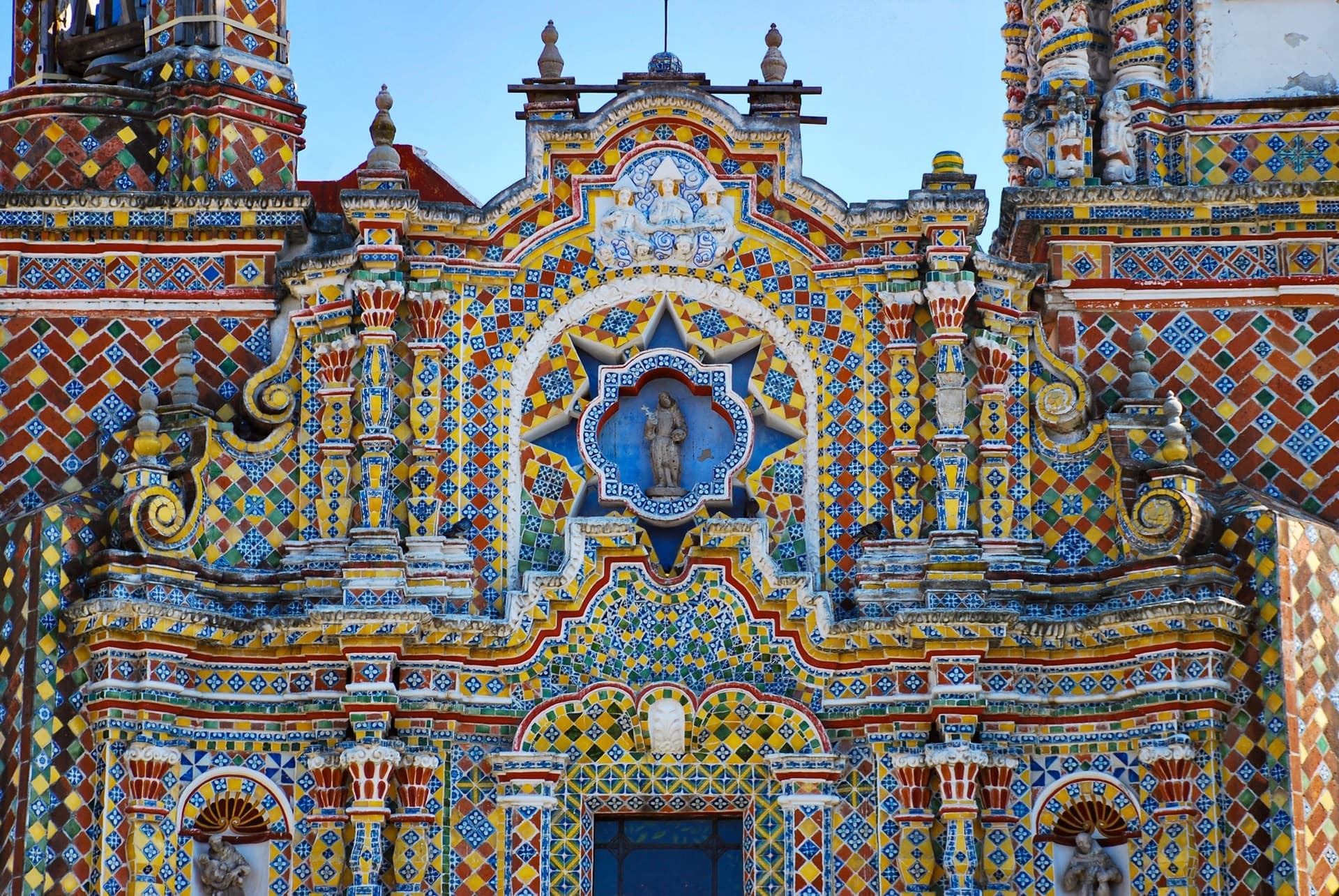
Just a few kilometers from Cholula, San Francisco Acatepec church astounds visitors with its façade entirely covered in polychrome Talavera tiles—a masterpiece of 18th-century Mexican indigenous baroque.
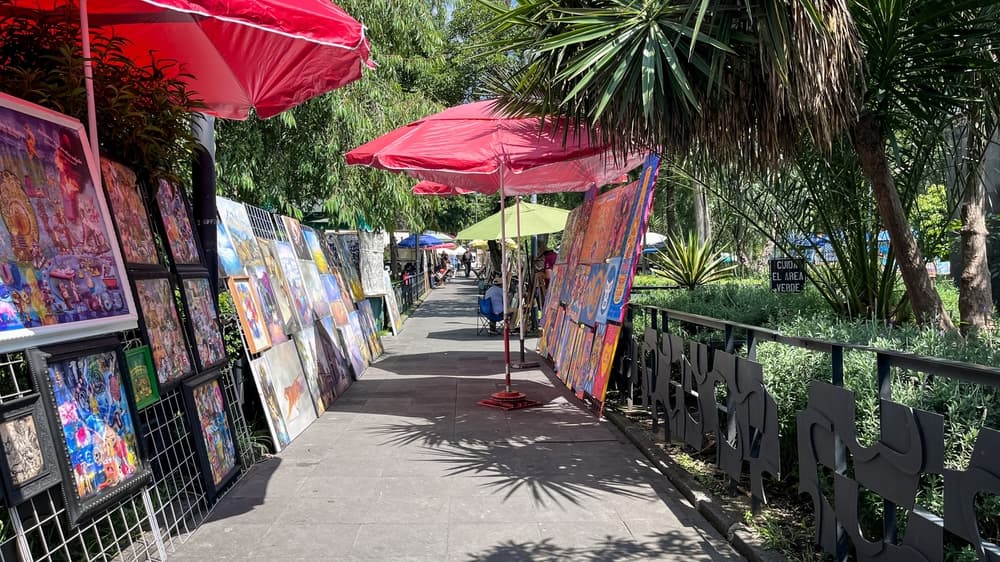
San Ángel is a colonial quarter in southern Mexico City, renowned for its cobblestone streets, a 17th-century Carmelite convent, and the celebrated Bazar del Sábado. A 20-minute walk from Coyoacán.
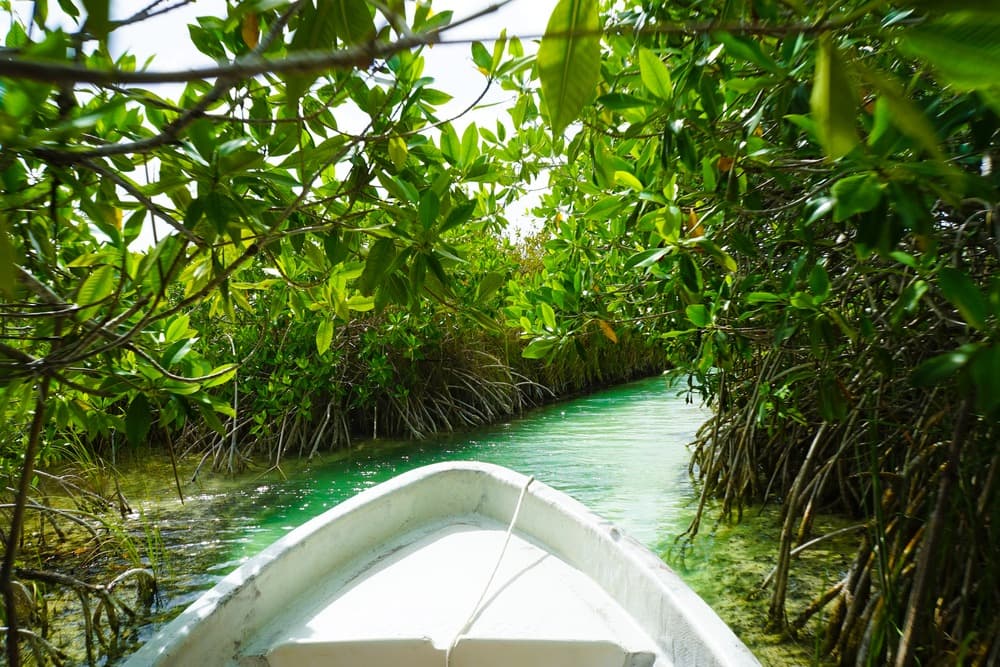
South of Tulum, the Sian Ka'an biosphere reserve protects over 500,000 hectares of tropical ecosystems designated as a UNESCO World Heritage Site: turquoise lagoons, mangroves, coral reefs and rarely visited Maya sites.
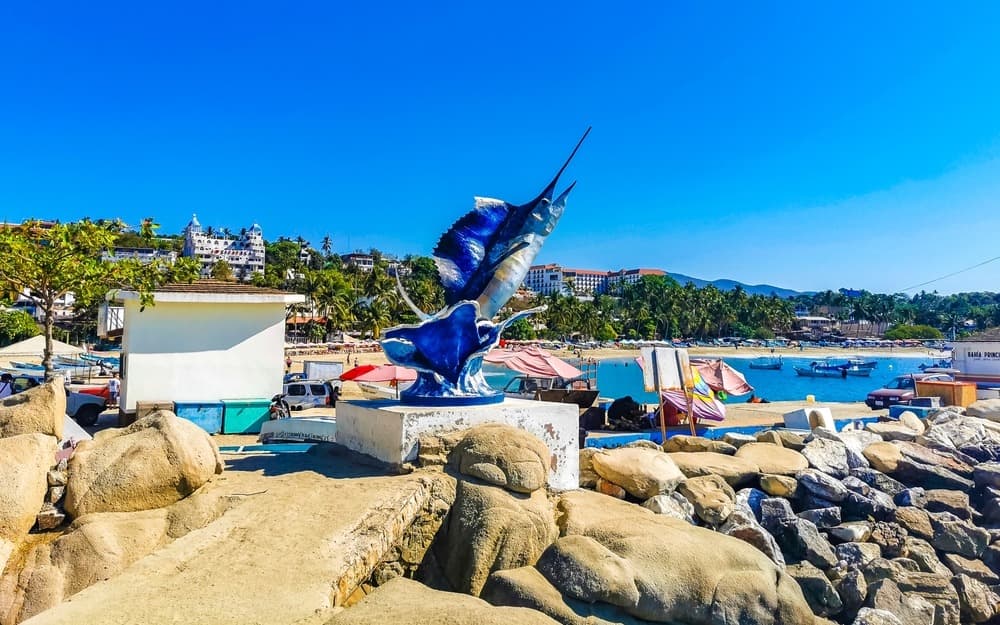
Playa Principal is the beating heart of Puerto Escondido: fishing boats at dawn, seafood restaurants steps from the sand, and an animated waterfront promenade nearby. An accessible beach far less dramatic than Zicatela, it's ideal for soaking up the local atmosphere.
18 of 55 results
We use cookies to improve your experience and measure our site's audience. You can choose what you accept. Learn more.