Izamal
Izamal
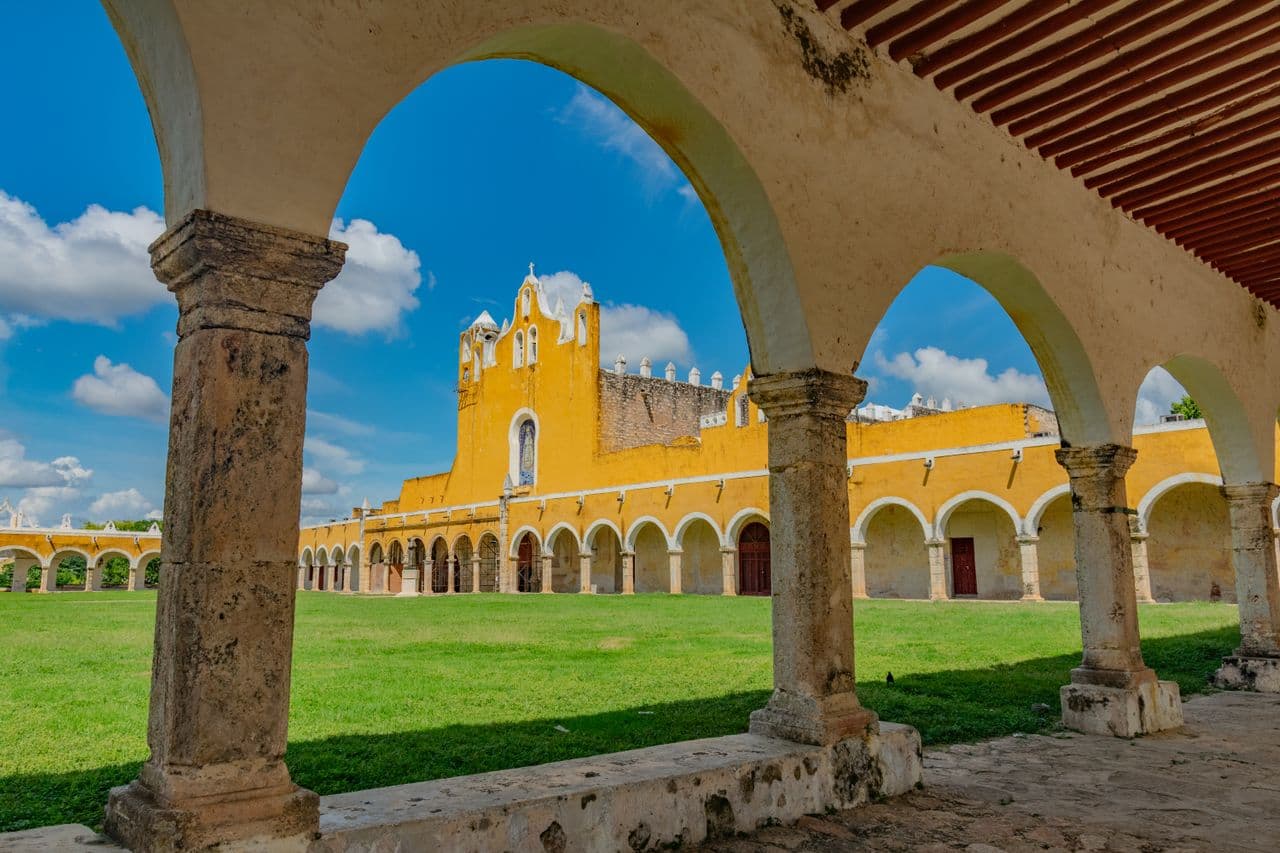
Nicknamed the "Yellow City," Izamal in the Yucatán layers a massive 16th-century Franciscan convent atop Mayan pyramids. A compact, colorful town steeped in history, two hours from Mérida.
Izamal is a colonial town in the Yucatán nicknamed the "Yellow City" for its buildings painted in vibrant ochre. Built on the ruins of a Mayan ceremonial center, it houses one of the largest Franciscan convents in the Americas, constructed directly upon a pyramid. Two hours from Mérida, the town is best explored on foot or by horse-drawn carriage, in an atmosphere suspended in time.
Quick facts at a glance
- Access: ADO buses or colectivos from Mérida (approximately 1.5–2 hours); car via Route 180.
- Recommended duration: a full day covers the essentials; an overnight stay lets you enjoy the evening calm.
- Dress code: shoulders and knees covered to enter the convent and church.
- Admission: free access to the convent and atrium; some archaeological zones charge entry.
What to see
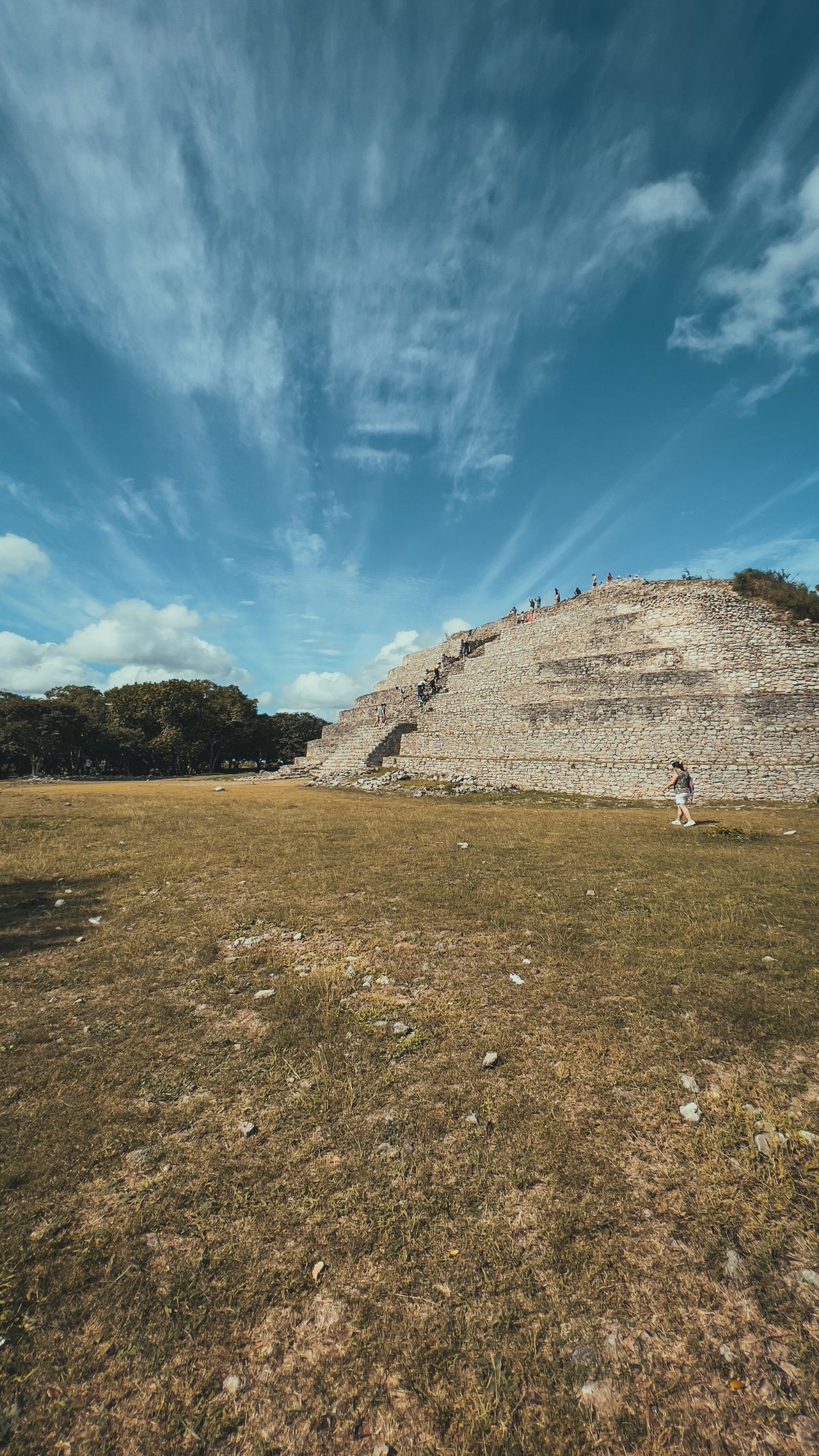
The Convent of San Antonio de Padua dominates the town from its immense atrium—one of the largest in the Christian world. Its yellow walls frame a statue of the Virgin of Izamal, venerated throughout the Yucatán. Around it, several Mayan pyramids rise above the houses: Kinich Kakmó, dedicated to the sun, is the most accessible and offers a clear view of the ochre roofscape.
History and context
Izamal was a major Mayan religious center, dedicated to the sun god Itzamná. In the 16th century, the Franciscan friar Diego de Landa ordered temples razed to build the convent, laying its foundations on the Ppapp-Hol-Chac pyramid. This symbolic overlay—Mayan worship suppressed, Christianity imposed—is visible in the very stones of the convent walls. The town received a visit from Pope John Paul II in 1993, cementing its status as a pilgrimage site.
Highlights of your visit
The Convent of San Antonio de Padua
The 8,000-square-meter atrium ranks among the continent's largest. The church houses the Virgin of Izamal, crowned by the Pope in 1993. The golden late-afternoon light on the yellow facades is particularly striking.
The Kinich Kakmó pyramid
This sun-dedicated pyramid is freely accessible. The climb is short but the view over the town—a tapestry of yellows among palm trees—rewards the effort. Arrive early morning to avoid the heat.
Horse-drawn carriages
Izamal's traditional transport, calèches, line up near the convent. They connect the scattered pyramids throughout town effortlessly and are central to local identity.
Markets and crafts
Around the main square, workshops showcase huipil embroidery, papier-mâché figurines, and gold filigree jewelry—a Yucatán specialty. The municipal market bustles in the morning.
Etiquette and visiting rules
- Cover shoulders and knees before entering the church and convent.
- Avoid visiting during Mass or religious ceremonies unless participating.
- Photography is generally permitted in the atrium; check restrictions inside the church.
- Maintain silence in places of worship.
Photography tips
Golden late-afternoon light (4–6 p.m.) illuminates the convent's yellow facades and neighboring streets beautifully. For Kinich Kakmó, early morning offers raking light and fewer crowds. The alleys between the market and main square, with their archways and bougainvillea, are photogenic at any hour.
Location and access
Izamal lies in eastern Yucatán, roughly 70 km east of Mérida and about 40 km west of Valladolid. The town is compact and entirely walkable or traversable by carriage. ADO buses run between Mérida and Izamal several times daily; colectivos also depart from Mérida. By car, Route 180 is most direct. Accessibility for people with reduced mobility is limited in archaeological zones due to stairs.
Nearby attractions
- Mérida — Yucatán's capital, rich in colonial architecture and museums, roughly 70 km west.
- Valladolid — colorful colonial town with cenotes nearby, about 40 km east.
- Chichén Itzá — major Mayan archaeological site, under an hour from Izamal.
- Ek Balam — lesser-known Mayan city with remarkably preserved stucco, north of Valladolid.
Frequently asked questions
The dry season, November through April, is most pleasant. July and August are very hot and humid. Avoid religious holidays if you want a peaceful convent visit—or come for the festive atmosphere.
Yes, by car it's doable: Izamal in the morning, Chichén Itzá in the afternoon. By public transit, logistics are trickier and the day feels rushed. Staying overnight in Valladolid spreads visits more comfortably.
Yes: shoulders and knees must be covered to enter the church and convent spaces. A scarf or sarong tucked in your bag suffices if you wear light clothing.
Kinich Kakmó is the most accessible and best maintained. Other Mayan structures are visible in town but less developed for visitors. Ask locally about opening hours for archaeological zones.
Photography is generally allowed in the outdoor atrium. Inside the church, rules vary depending on time of day and any ceremonies in progress. Check signage on-site.
One night lets you experience the town after day-trippers depart, when yellow streets glow and the atmosphere becomes very peaceful. Several small hotels and guesthouses are available around the main square.
Want to discover this destination?
Our local advisors design your tailor-made trip.