Loreto
Loreto
The first permanent mission in Baja California, Loreto combines 17th-century colonial heritage, the Sea of Cortez, and a national marine park with exceptionally rich waters.
Loreto is a coastal town in Baja California Sur, nestled between the Sierra de la Giganta and the Sea of Cortez. Founded in 1697, it is the first permanent mission on the Baja California peninsula. Today, the town blends colonial heritage, world-class diving, and direct access to the Loreto National Marine Park, one of Mexique's most biologically rich protected marine areas.
Quick Facts at a Glance
- Access: Loreto International Airport (LTO), with direct flights from several U.S. cities and Mexico City.
- Recommended duration: 3 to 5 days to combine town, sea, and hiking.
- Dress code: covered clothing recommended when visiting the mission.
- Language: Spanish; English spoken in hotels and dive agencies.
- Currency: Mexican peso; cards accepted at tourist establishments.
What to See
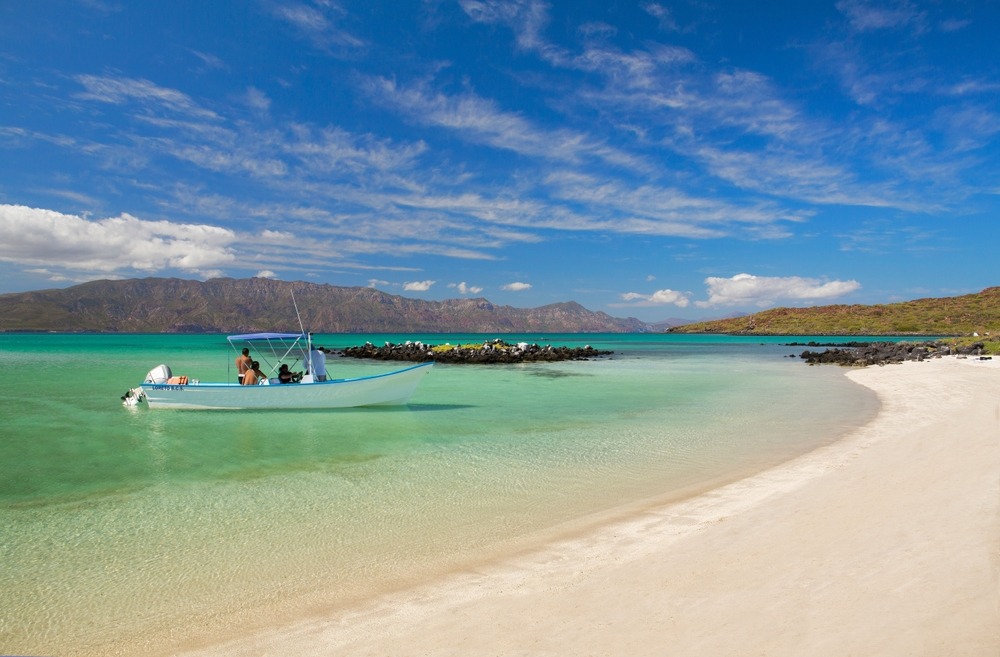
The historic center revolves around the Malecón, a waterfront promenade along the Sea of Cortez, and the Mission Nuestra Señora de Loreto, whose bell tower dominates the main square. The Museum of Missions (Museo de las Misiones), adjacent to the church, traces the Jesuit evangelization of the peninsula. A short boat ride away, the Coronado, Carmen, Danzante, and Montserrat islands offer exceptional underwater landscapes.
History and Context
The Jesuits founded Loreto in 1697, making it the capital of the California province. The town served as the base for the entire network of missions that later expanded northward into Alta California. An earthquake in 1829 destroyed much of the city and led to the capital's relocation to La Paz. Loreto remained isolated for a long time until the Transpeninsular Highway and the airport reopened it to tourism in the 1970s.
Highlights of Your Visit
The Mission Nuestra Señora de Loreto
Founded in 1697 and rebuilt in the 18th century, the mission is the oldest standing church in Baja California. The spare Baroque façade, interior altarpiece, and sacristy are well worth viewing. The inscription on the façade — Cabeza y Madre de las Misiones — sums up its historical role.
The Loreto National Marine Park
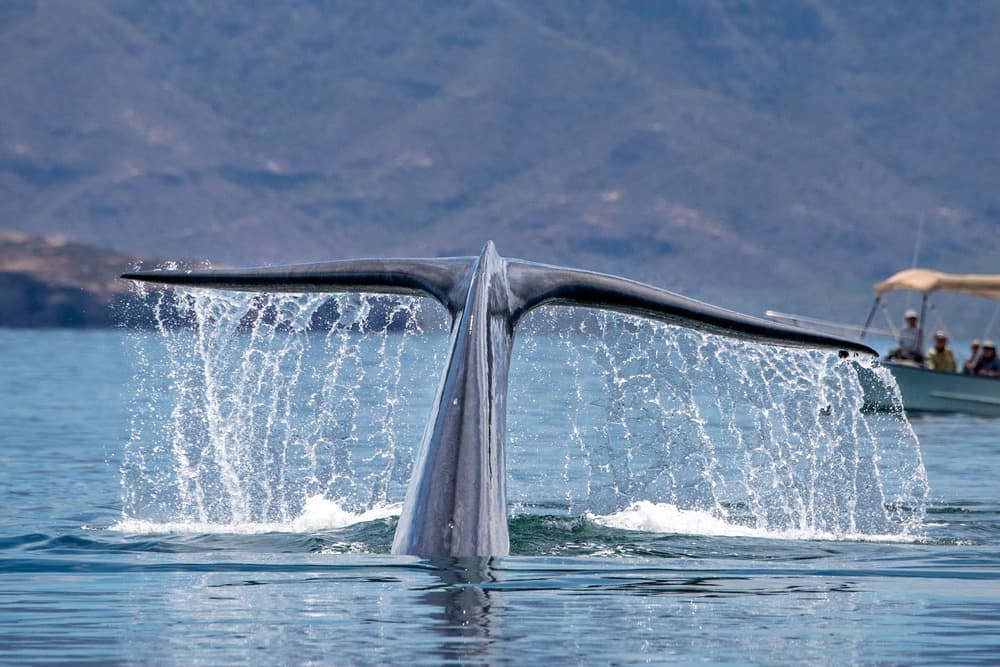
Established in 1996, the park protects over 200,000 hectares of the Sea of Cortez. Blue whales (in winter), dolphins, sea lions, manta rays, and a rich biodiversity of tropical fish make it a globally recognized diving and snorkeling destination. Local agencies offer daily panga trips to the islands.
The Sierra de la Giganta
San Dionisio Canyon and trails to the inland missions (San Javier, about 35 km away) offer hiking or 4x4 excursions through a landscape of cardon cacti and volcanic cliffs. The Mission San Francisco Javier de Viggé-Biaundó, better preserved than Loreto's, is often considered Baja California's finest mission.
The Malecón and Local Life
The waterfront promenade remains intimate in scale. Fresh fish restaurants, craft shops, and fishermen returning in the morning create an atmosphere untouched by excessive tourism.
Etiquette and Visiting Rules
- Shoulders and knees must be covered to enter the mission.
- Maintain silence and discretion during religious services.
- In the marine park: do not touch sea lions or corals; authorized guides are required for certain areas.
- Fishing is regulated within the park; check with local authorities before any activities.
Photography Tips
- Mission: golden light in late afternoon on the west façade; dim interior requires a tripod.
- Sea of Cortez: morning outings to photograph dolphins and sea lions with raking light.
- Sierra: cardon cacti backlit at sunset create striking silhouettes.
- Underwater photography possible with waterproof gear; check flash restrictions in coral zones.
Location and Access
Loreto sits on the eastern coast of the Baja California peninsula, roughly 350 km north of La Paz via Federal Highway 1. The international airport (LTO) is just a few kilometers from downtown. Taxis and rental cars are available at the airport. The town center is entirely walkable. Renting a car is recommended for reaching the Sierra and inland missions.
Nearby Attractions
- Mission San Francisco Javier — 18th-century Jesuit mission, the best-preserved on the peninsula, about 35 km into the sierra.
- Islands of the Loreto National Marine Park — Coronado, Carmen, Danzante, and Montserrat, accessible by boat for diving and snorkeling.
- La Paz — the state capital, about 350 km to the south, with white-sand beaches and Espíritu Santo island.
- Mulegé — a small colonial village to the north, home to the Mission Santa Rosalía de Mulegé and the rock art caves of the Sierra de Guadalupe.
Frequently asked questions
Winter (November to April) offers mild, dry weather ideal for diving and hiking. Blue whales frequent the Sea of Cortez from January to March. Summer is hot and humid, with a risk of hurricanes in September and October.
Yes. Covered shoulders and knees are required. A scarf or sarong in your bag is enough if you visit in light clothing.
Diving and kayak agencies offer daily panga trips from Loreto's harbor. Book the day before during high season. Some islands require a park entrance permit, usually included in most excursion packages.
Yes. Federal Highway 1 connects the two towns in roughly 4 hours of driving. Some travelers arrive in Loreto and depart from La Paz (or vice versa) to avoid backtracking.
Several sites around the islands suit beginners and snorkeling. Local agencies offer discover scuba courses. Deeper sites and sea lion dives are better suited for certified divers.
Downtown Loreto is walkable. For Mission San Javier and sierra trails, an off-road vehicle or guided tour is necessary. Local agencies offer guided 4x4 outings.
Want to discover this destination?
Our local advisors design your tailor-made trip.