Mexico City
Mexico City
A high-altitude capital at 2,240 meters, Mexico City brings together Aztec temples, colonial palaces and 150 museums. The guide to building a stopover that delivers on its promises.
Are you planning a trip to Mexique and wondering whether Mexico City deserves a place on your itinerary? Looking for a vibrant city with truly plenty to see and do without wasting a moment?
Welcome to one of Latin America's largest metropolises! With its world-renowned museums and streets where you can move from an Aztec temple to a colonial façade in mere meters, plus its lively food scene, Mexico City has enough to keep you occupied for several days. This guide gives you the keys to organizing your visit successfully. An overview.
Its history
Mexico City was once called Tenochtitlan. The city was founded in 1325 by the Aztecs on islands in Lake Texcoco. It quickly became the capital of their empire, known for its grand temples, bustling markets and canals. In 1521, the Spanish led by Hernán Cortés conquered the city and built the new Mexico on its ruins. Today, you can still see traces of this era, such as the remains of the Templo Mayor in the city center.
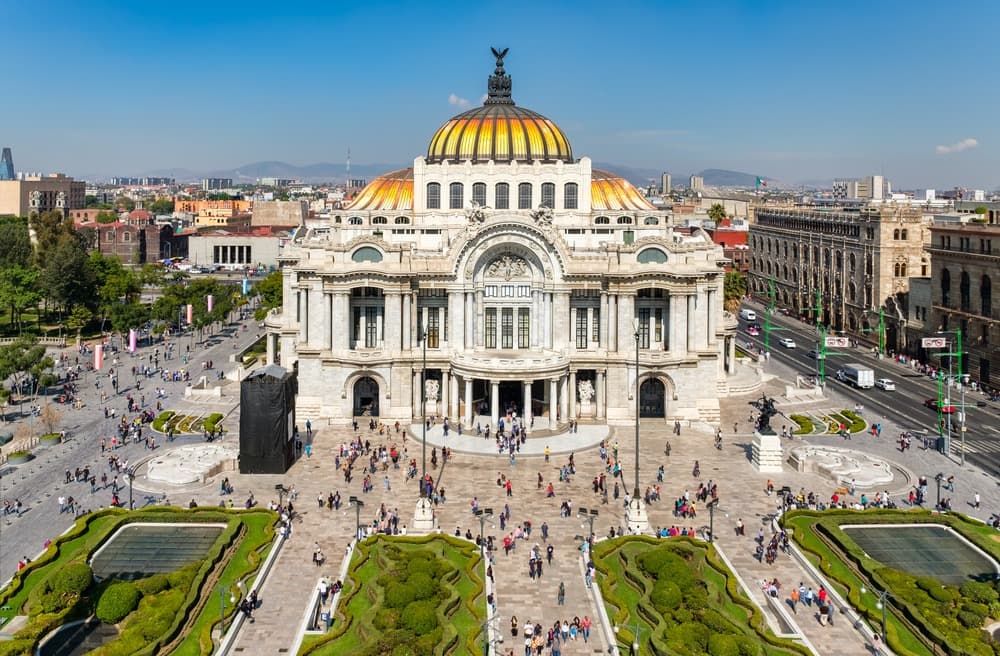
During the colonial period, it became the capital of New Spain, a vast territory that covered present-day Mexique, part of Central America and the southern United States. Colonial architecture is still very much in evidence, with its baroque churches, palaces and grand plazas. Monuments like the Palacio de Bellas Artes or the Metropolitan Cathedral remind us that Mexico was an important center of Spanish power in the Americas.
What to do?
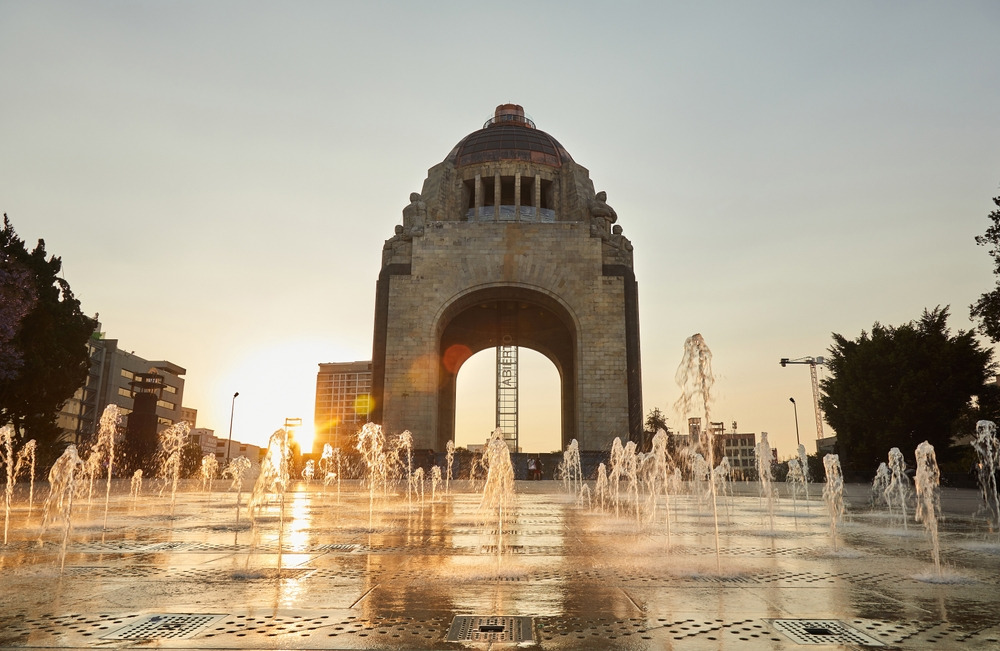
Visit the Monument to the Revolution
Admire this Art Deco-style monument. It consists of four arches topped by a dome. Head to the foot of the building to discover the mausoleum, where several important historical figures of the country rest, including former president Francisco I. Madero. Take the glass elevator to access the dome and observe the city from a different angle. Before leaving, visit the National Museum of the Revolution located beneath the monument. It presents the major stages of Mexique's history since 1857.
Detour to the Basilica of Our Lady of Guadalupe
Visit the remains of the old basilica and take time to observe its architecture. Take the opportunity to learn more about its history. Then, head towards the newer basilica. Note the difference in style: circular base, modern roof and contemporary design. Inside, take the moving walkway to see the shepherd's cape, on which the face of the Virgin is said to have appeared.
Stroll through Chapultepec Park
Here are some places to absolutely add to your Chapultepec Park itinerary:
- Visit the museums: the National Museum of Anthropology, the History Museum, the Museum of Modern Art and the Museo del Caracol.
- Discover Chapultepec Castle, a former residence of Emperor Maximilian from the 18th century. Discover its exhibitions of Mexican works of art.
- Take a walk through the Jardin del Agua, a space where water is highlighted through fountains and murals, and admire the sculpture of the Aztec god Tlaloc.
- Visit Chapultepec Zoo, which is home to over 2,000 animals such as pandas, flamingos, gorillas and wolves.
Climb the floors of the Torre Latinoamericana
Discover the skyscraper typical of Mexico City that is the Torre Latinoamericana. It was the first skyscraper in Latin America and one of the tallest on the continent at the time. Observe the city from above with its 182 meters in height. Go to the 44th floor to enjoy a clear view of the capital and its skyline.
At sunset, admire the city under the last rays of sun, with the Popocatépetl volcano in the background. If you'd like to relax, book a table at the Miralto restaurant on the 41st floor to enjoy the view while unwinding.
Discover the world of Lucha Libre live
Attend a Lucha Libre show, a Mexican version of wrestling, different from the American style. Fights are less violent, but equally captivating.
Head to Arena Mexico or Arena Coliseo on Tuesday and Friday evenings. Before entering, take a shot of tequila to get in the mood. The shows are lively, with an engaged audience and masked wrestlers who give their all in the ring. The atmosphere around the ring is truly vibrant.
Practical information
What's the weather like?
Mexico City has a subtropical mountain climate, linked to its high altitude. The average annual temperature varies between 12 and 16°C depending on the neighborhood. Temperature ranges remain limited: it rarely drops below 3°C or rises above 30°C.
The climate is not uniform throughout the city. Neighborhoods located at higher altitudes like Tlalpan and Milpa Alta are cooler and more humid. Conversely, lower-lying areas such as Iztapalapa, Iztacalco, Venustiano Carranza or eastern Gustavo A. Madero are often warmer and drier.
The rainy season runs from May to October, with heavier rainfall in July. The rest of the year is generally dry. The dry season, from November to April, is divided into two periods: from November to February, temperatures are cooler due to cold air coming from the north; from March to May, heat sets in, but rains haven't yet arrived. Snow is extremely rare in Mexico City.
A direct flight from France to Mexico takes approximately 12 hours. As for prices, the cheapest tickets start around €300 in low season. During tourist season, prices easily climb above €600 and can sometimes reach €1,000.
By bus
To save money, choose the bus. However, if you're not familiar with the routes, it can be easy to miss your stop.
By peseros
You can also take peseros. These are small green minibuses often found near metro stations. The price varies between 2.5 and 4 pesos depending on the distance. These vehicles have no fixed stops. To get off, simply press the bell at the back.
By metro
For longer trips, take the metro. It covers a large part of the city and helps you save time. Fares remain very affordable, even if they're slightly higher than bus fares.
By taxi
Taxis are also plentiful. They are small green cars. The average fare is about 4.5 pesos per kilometer, but can increase with stops or traffic jams. This often works out more expensive than public transportation.
Rent a car
If you want more freedom, rent a car, especially for visiting sites farther from the city center.
Attractions in Mexico City
See all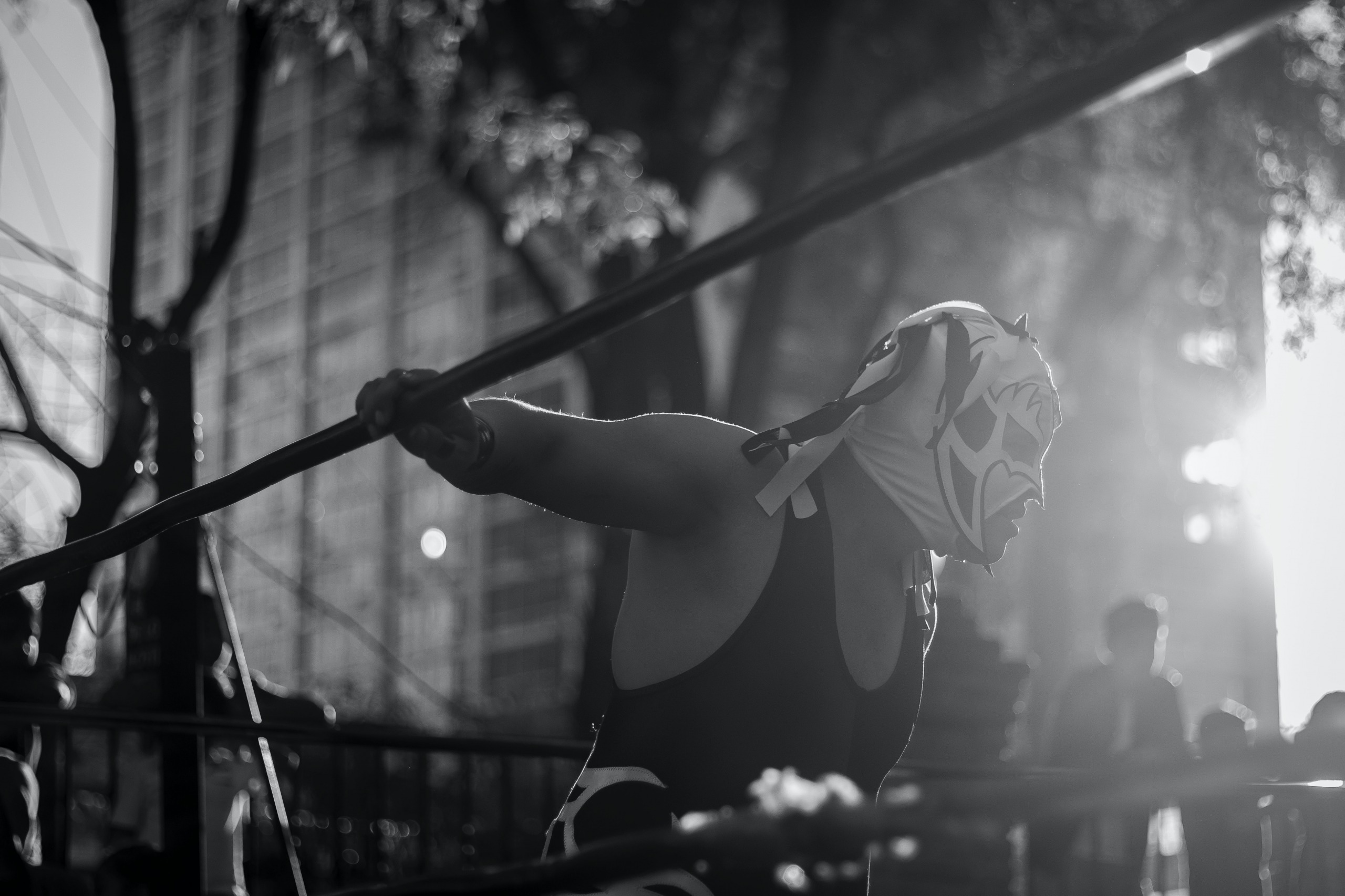
Lucha Libre
Sport-spectacle emblématique du Mexique, la lucha libre se vit à Mexico dans deux arènes historiques. Histoire, règles, masques et conseils pratiques.
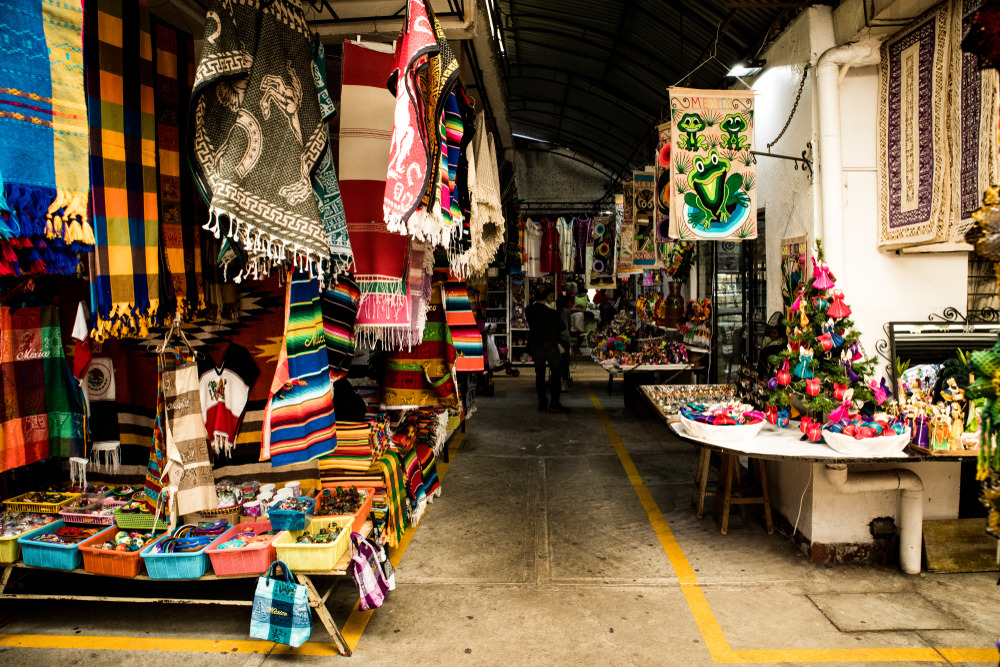
Mercado Ciudadela
Marché d'artisanat créé en 1965 face à la Plaza de la Ciudadela, le Mercado Ciudadela rassemble à Mexico des centaines d'étals représentatifs des régions du pays.
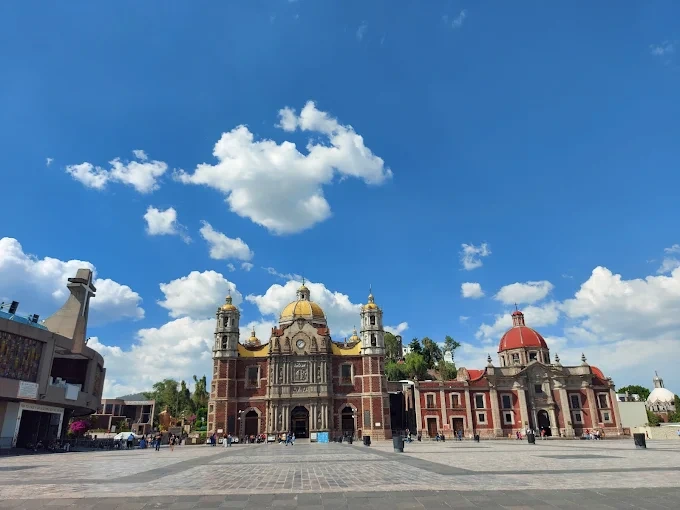
Basilique de Guadalupe
Sanctuaire majeur du catholicisme latino-américain, la Basilique de Guadalupe accueille 20 millions de pèlerins par an au nord de Mexico, sur la colline du Tepeyac.
Centre historique de Mexico
Du Zócalo au Templo Mayor, le Centre historique de Mexico réunit sept siècles d'histoire urbaine sur un périmètre classé à l'UNESCO et facile à parcourir à pied.
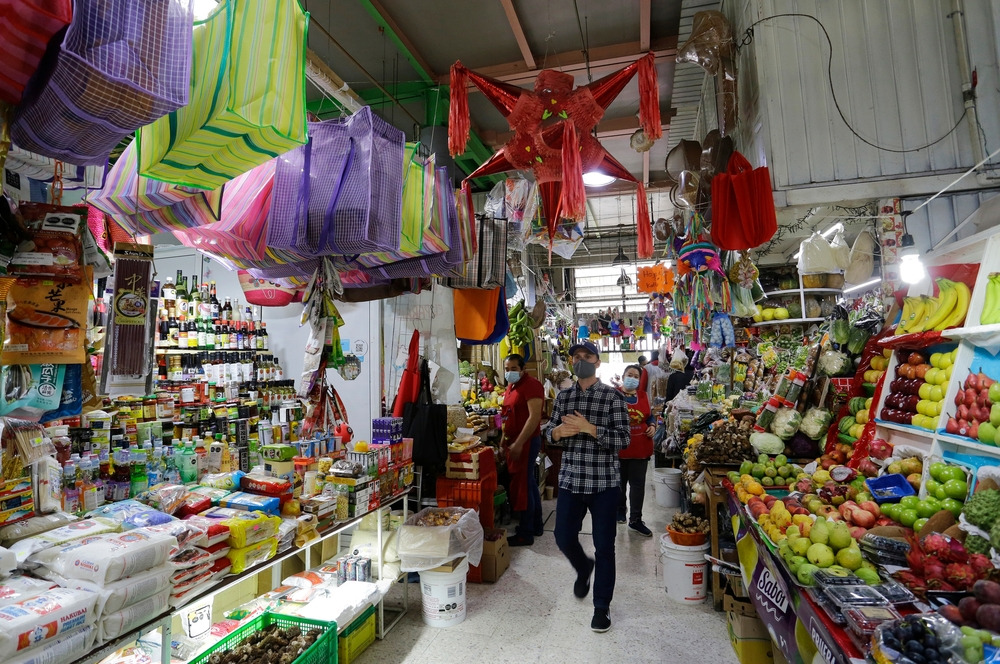
Marché de San Juan
Dans le centre historique de Mexico, le Marché de San Juan est la référence pour le gibier, les produits fins et l'artisanat mexicain.
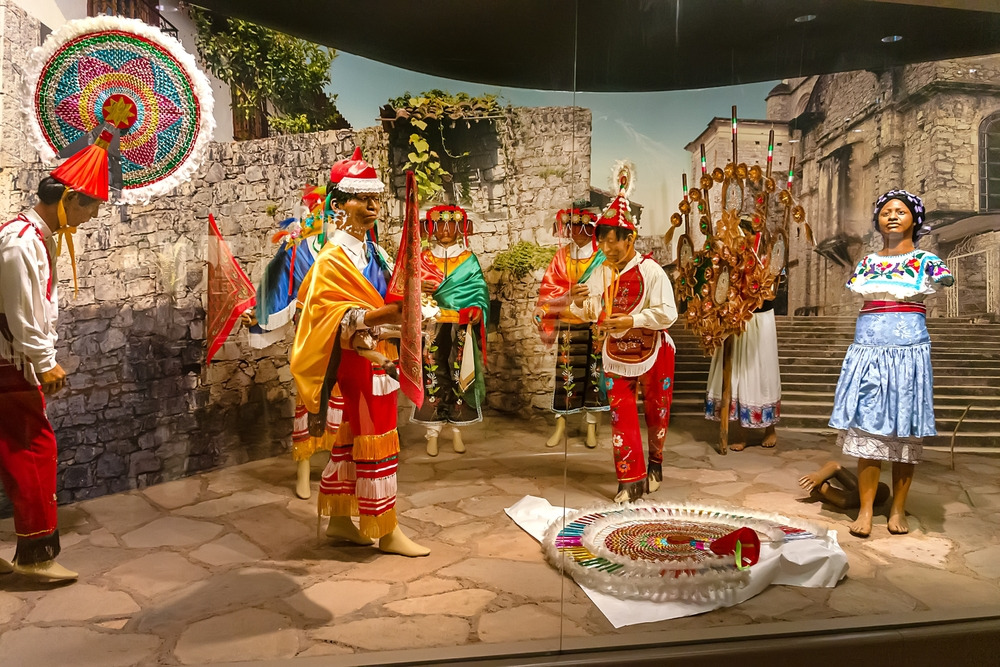
Musée national d’Anthropologie
Dans le parc de Chapultepec à Mexico, le Musée national d'Anthropologie réunit 22 salles consacrées aux civilisations préhispaniques et aux cultures autochtones.
Accommodation in Mexico City
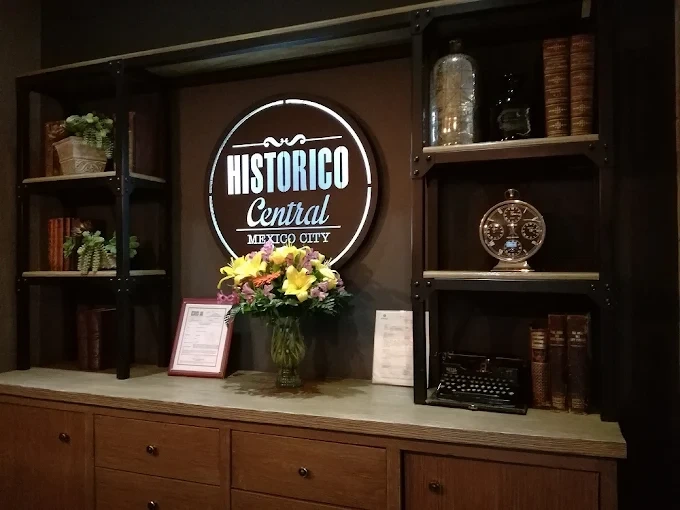
Histórico Central
Hôtel 4 étoiles dans une bâtisse coloniale réhabilitée du Centro Histórico de Mexico, à quelques pas du Zócalo et de la Catedral Metropolitana.
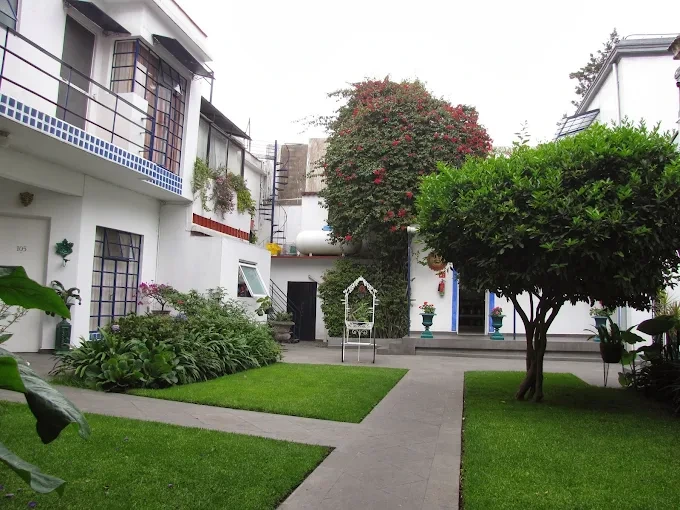
Hotel Casa Gonzalez
Maison coloniale centenaire de 38 chambres au cœur de Mexico, à deux pas de Reforma et de Zona Rosa. Patios, jardins intérieurs et cuisine mexicaine.
Want to discover this destination?
Our local advisors design your tailor-made trip.