Tulum
Tulum
Tulum combines a fortified Mayan site overlooking the Caribbean Sea, freshwater cenotes and white sand beaches in the Quintana Roo state of Mexico. A blend of nature and history just two hours from Cancún.
Tulum sits atop a limestone cliff overlooking the Caribbean Sea in Quintana Roo state, in the southern Yucatán Peninsula. The town brings together a fortified Mayan archaeological site, white sand beaches, cenotes and a thriving hotel and dining scene that has made it one of Mexico's most visited destinations. It's also a natural gateway to the Riviera Maya and the Sian Ka'an Biosphere Reserve.
Essential information at a glance
- Access from Cancún: approximately 130 km south via Highway 307; regular ADO buses from Cancún terminal.
- Nearest airport: Cancún International (CUN); transfer by bus or private shuttle.
- Archaeological zone: paid entry (INAH rate, in pesos); free for children under 13 and Mexican nationals on Sundays.
- Recommended attire: lightweight clothing, hat, sunscreen; swimwear under your clothes if planning a cenote swim.
- Suggested duration: 2 to 3 days to combine ruins, beach and cenotes.
- Currency: Mexican peso (MXN); US dollars accepted at many tourist establishments.
What to see
Tulum divides into three distinct areas. The archaeological site comprises around twenty Mayan structures including the Castillo, a temple-lighthouse dominating the cliff. The hotel zone (Zona Hotelera) stretches along several kilometres of coastline with beaches and boutique hotels. The pueblo, set back from the shore, concentrates restaurants, markets and local life.
History and context
Tulum — "wall" in Yucatec Maya — was one of the last great inhabited Mayan sites, active between the 13th and 16th centuries. Unlike most Mayan cities, it was still populated when Spanish conquistadors arrived. Its coastal position made it a strategic trading port for turquoise, jade and cacao commerce along the Yucatán shoreline.
The fortified enclosure — walls on three sides, cliff on the fourth — is unique in Mayan architecture. The Castillo likely served as a lighthouse: its strategically positioned windows allowed navigators to align for safe passage through the coral barrier.
Highlights of a visit
The Castillo and the seascape
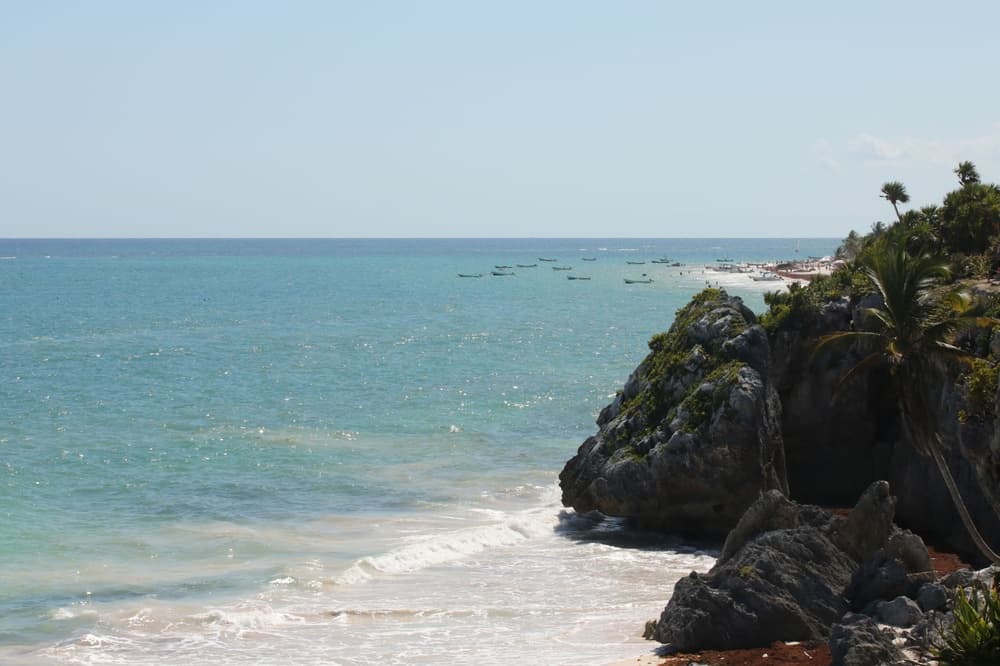
The main temple rises about fifteen metres above the cliff edge. The view over turquoise waters and the beach below is Tulum's iconic image. Arrive early morning to beat the crowds and heat.
The Temple of Frescoes
This two-storey building preserves Mayan wall paintings among the best preserved in the Yucatán. Depictions of deities and cosmological scenes testify to the artistic refinement of the Postclassic period.
The cenotes
The Tulum region is dotted with cenotes — natural freshwater wells formed in karst limestone. Gran Cenote and Cenote Dos Ojos are among the most accessible and allow swimming and snorkelling in crystalline waters.
Sian Ka'an Biosphere Reserve
This UNESCO World Heritage site borders Tulum to the south. It shelters mangroves, lagoons, coral reefs and exceptional wildlife (manatees, crocodiles, hundreds of bird species). Boat excursions depart from Tulum.
The Zona Hotelera beach
White sand and shallow waters in turquoise to emerald hues make this coastline one of Mexico's most photographed. The beach is public; access is on foot or by bike along the coastal road.
Photography tips
- Best light: sunrise at the Castillo — raking golden light and absence of crowds are ideal.
- Cenotes: natural light penetrates Gran Cenote mid-morning, creating spectacular underwater light rays.
- Restrictions: climbing on archaeological structures is forbidden; respect safety cordons.
- Drones: prohibited over the archaeological zone without INAH authorization.
Location and access
Tulum is about 130 km south of Cancún and 60 km south of Playa del Carmen, on Highway 307. ADO buses connect Cancún, Playa del Carmen and Tulum several times daily. Private shuttles and shared taxis (colectivos) supplement the service. Within Tulum, a bike is the most practical transport between the pueblo, the archaeological site and the Zona Hotelera.
The archaeological site is accessible on foot from the main entrance; a paid tourist train links the parking area to the site entrance.
Nearby attractions
- Cobá — Mayan city shrouded in jungle, about 45 km northwest; its great Nohoch Mul pyramid offers panoramic canopy views.
- Sian Ka'an Biosphere Reserve — UNESCO biosphere south of Tulum, essential for ecotourism and wildlife watching.
- Playa del Carmen — Lively coastal town 60 km north, with the pedestrian Quinta Avenida and ferry access to Cozumel.
- Gran Cenote — One of the region's most accessible cenotes, just a few kilometres from Tulum pueblo.
- Akumal — Protected bay about thirty kilometres north, renowned for swimming with sea turtles.
Frequently asked questions
The dry season, November to April, offers the most pleasant conditions: moderate heat, little rain and calm seas. July-August is hot and humid; hurricane season spans June to November.
No religious dress is required. Opt for lightweight clothing, a hat and sturdy walking shoes. Heat can be intense midday.
Yes. Visit the archaeological site early morning, then head to Gran Cenote or Cenote Dos Ojos late morning. Both sites are less than 10 km apart.
Personal photography is permitted. Professional tripods or drones require prior INAH authorization. Climbing on structures is prohibited.
A bike is the most practical and locally popular transport. Taxis and colectivos also serve main points. Walking between the pueblo and Zona Hotelera is lengthy; arrange transport.
Organized excursions to Sian Ka'an are usually booked in advance, especially during high season (December-March). Self-drive access is possible, but a local guide is strongly recommended to navigate the reserve.
Attractions in Tulum
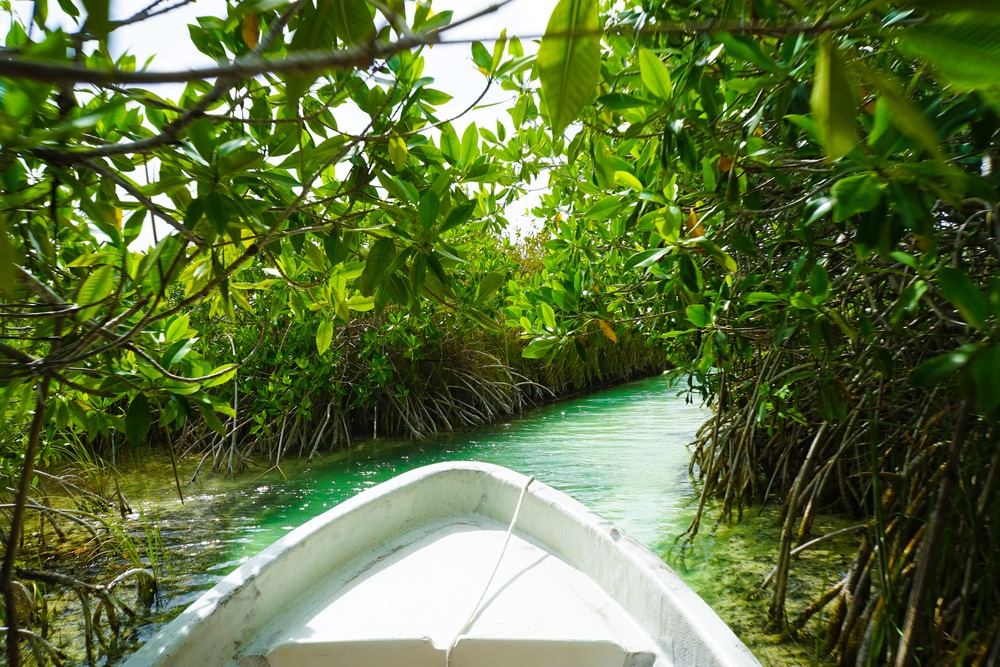
Réserve de biosphère de Sian Ka'an
Au sud de Tulum, la réserve de Sian Ka'an protège plus de 500 000 hectares d'écosystèmes tropicaux classés UNESCO : lagunes turquoise, mangroves, récifs coralliens et sites mayas peu fréquentés.
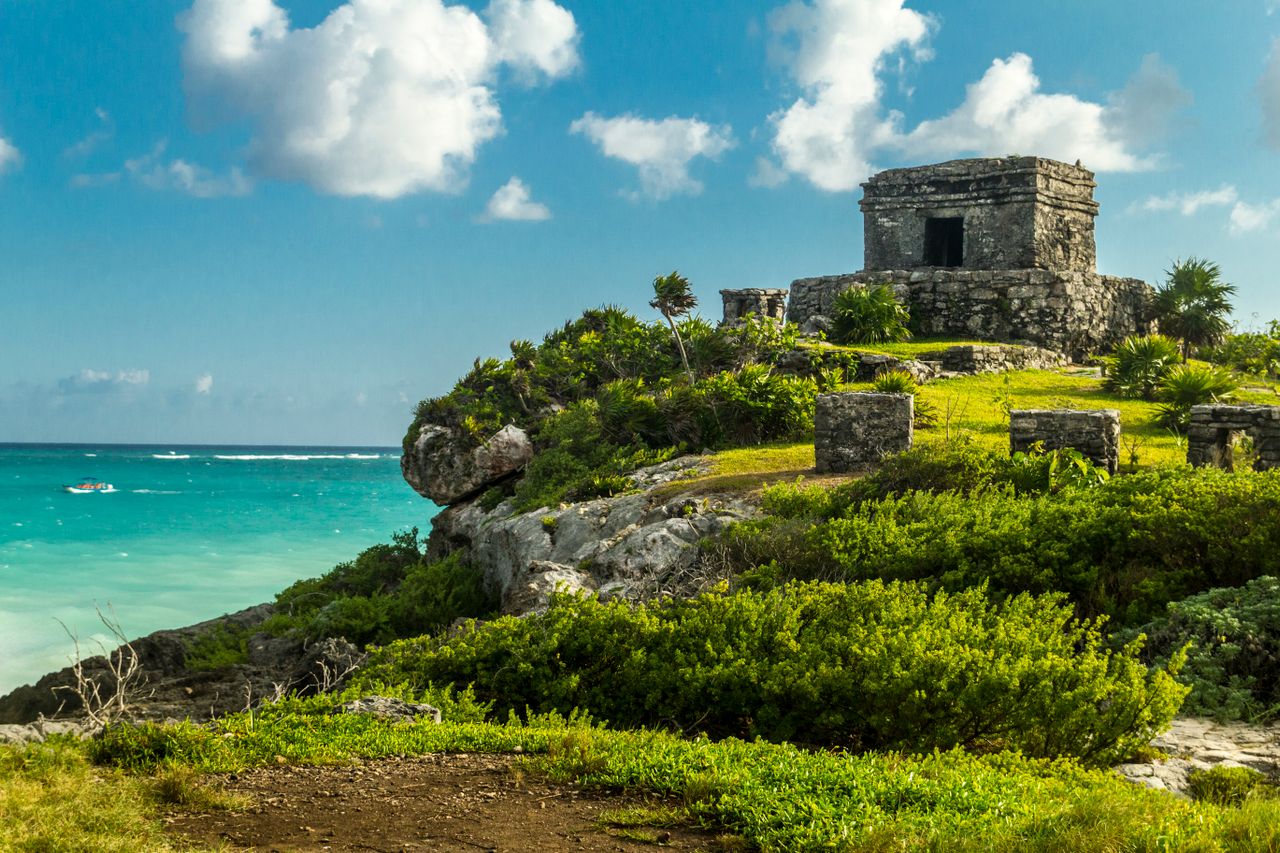
Temple du Dieu Descendant (El Castillo / Zone archéologique de Tulum)
Le Temple du Dieu Descendant abrite la représentation la plus nette de cette divinité ailée et inversée de l'art maya, au cœur du site archéologique de Tulum, face à la mer des Caraïbes.
Want to discover this destination?
Our local advisors design your tailor-made trip.