Practical information Mexico
Preparing a trip to Mexico requires understanding a few local realities that our team based in Mexico City updates constantly. On the administrative side, French nationals do not need a visa for a tourist stay of up to 180 days: upon arrival at Mexico City airport (AICM or Felipe Ángeles), Cancún or Guadalajara, you receive an entry stamp and keep the FMM receipt carefully. Your passport must be valid for six months after your return date. No vaccines are mandatory, but we recommend being up to date on DTP, hepatitis A and B, and consulting a doctor if you plan to visit the jungles of Chiapas or Huasteca (dengue risk, residual malaria in a few rural areas). Budget-wise, plan for 80 to 130 euros per day per person excluding international flights, for charming accommodation and local restaurants. The currency is the Mexican peso (approximately 19 MXN to 1 EUR in 2024); Visa and Mastercard are accepted everywhere in cities but bring cash for markets and villages. Distances are long: we often combine domestic flights (Aeromexico, Volaris) and quality ADO coaches on shorter routes. Kim and his team provide you before departure with a detailed road guide including 24/7 emergency contacts, region-by-region recommendations and advice on areas to avoid (certain northern States). On etiquette, using informal address with older people is not the norm, and you should leave 10 to 15% tip at restaurants.
Plan your trip by theme
Explore our practical guides organized by category to quickly find the information you need.
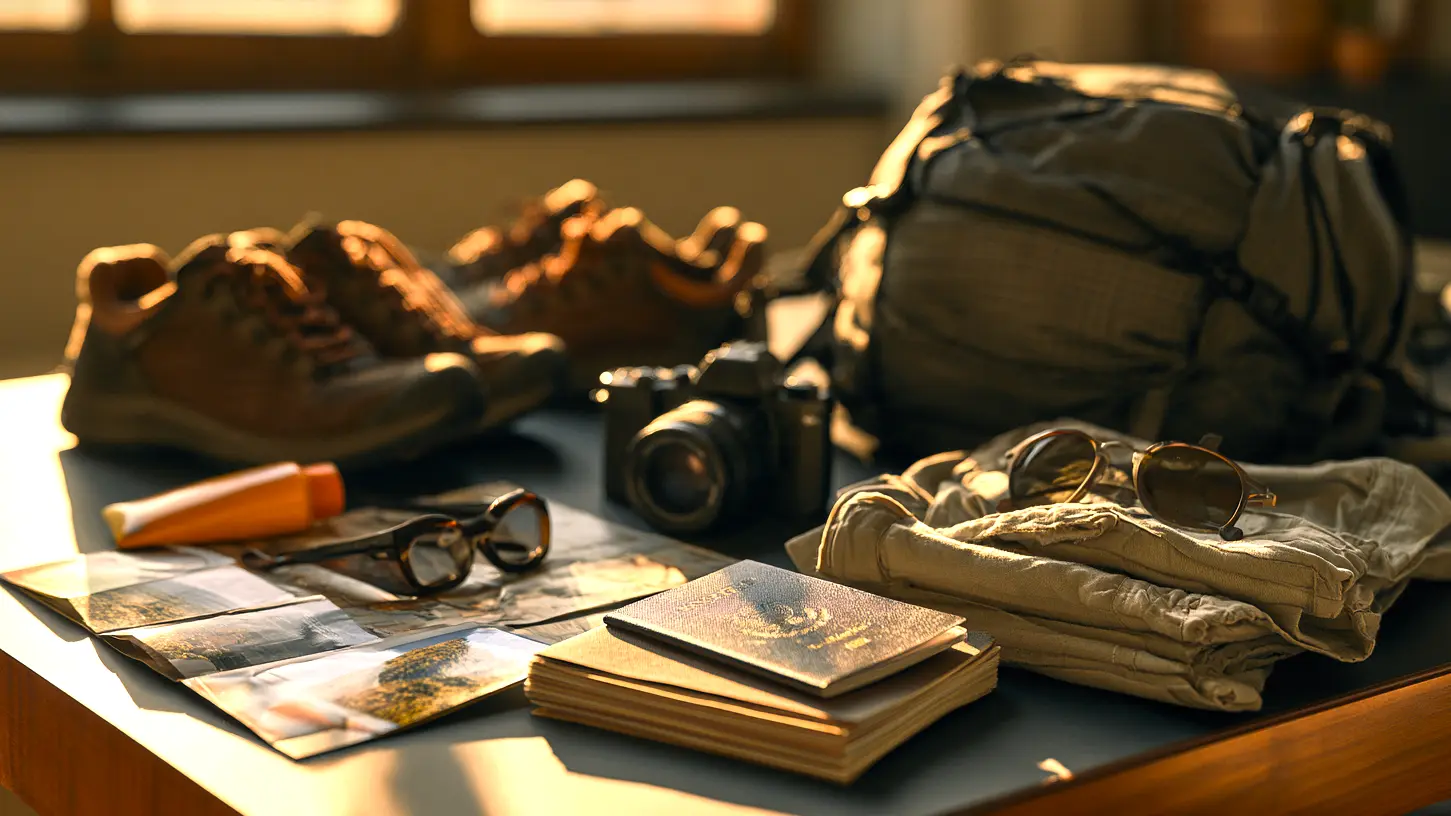
Before You Go
Valid passport for 6 months, no visa required up to 180 days, FMM form, travel insurance recommended, vaccinations up to date.
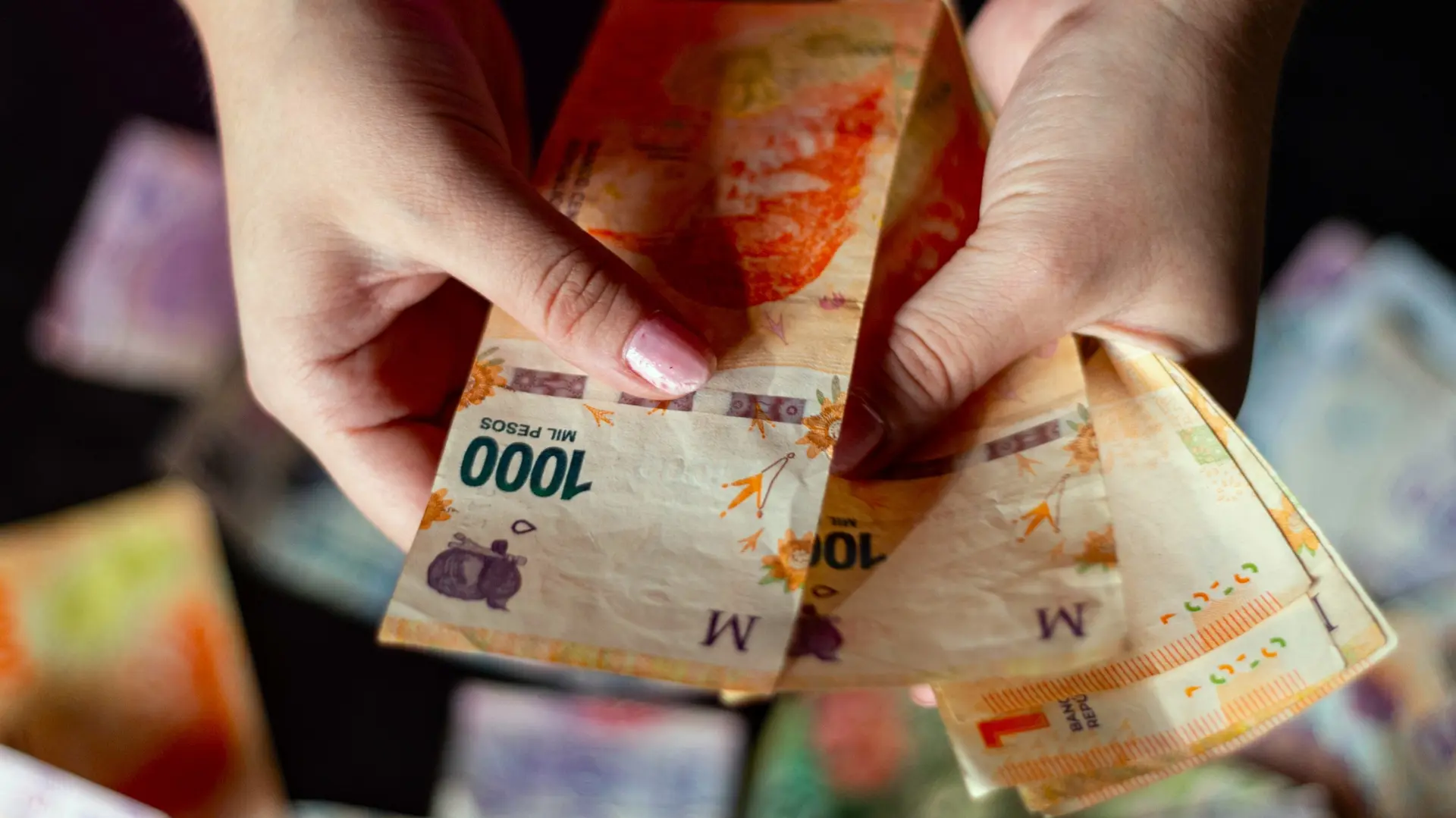
Budget Amount
Mexican Peso (1 EUR ≈ 19 MXN), 80 to 130 €/day/person, credit cards accepted in the city, cash for markets, 10-15% tip.
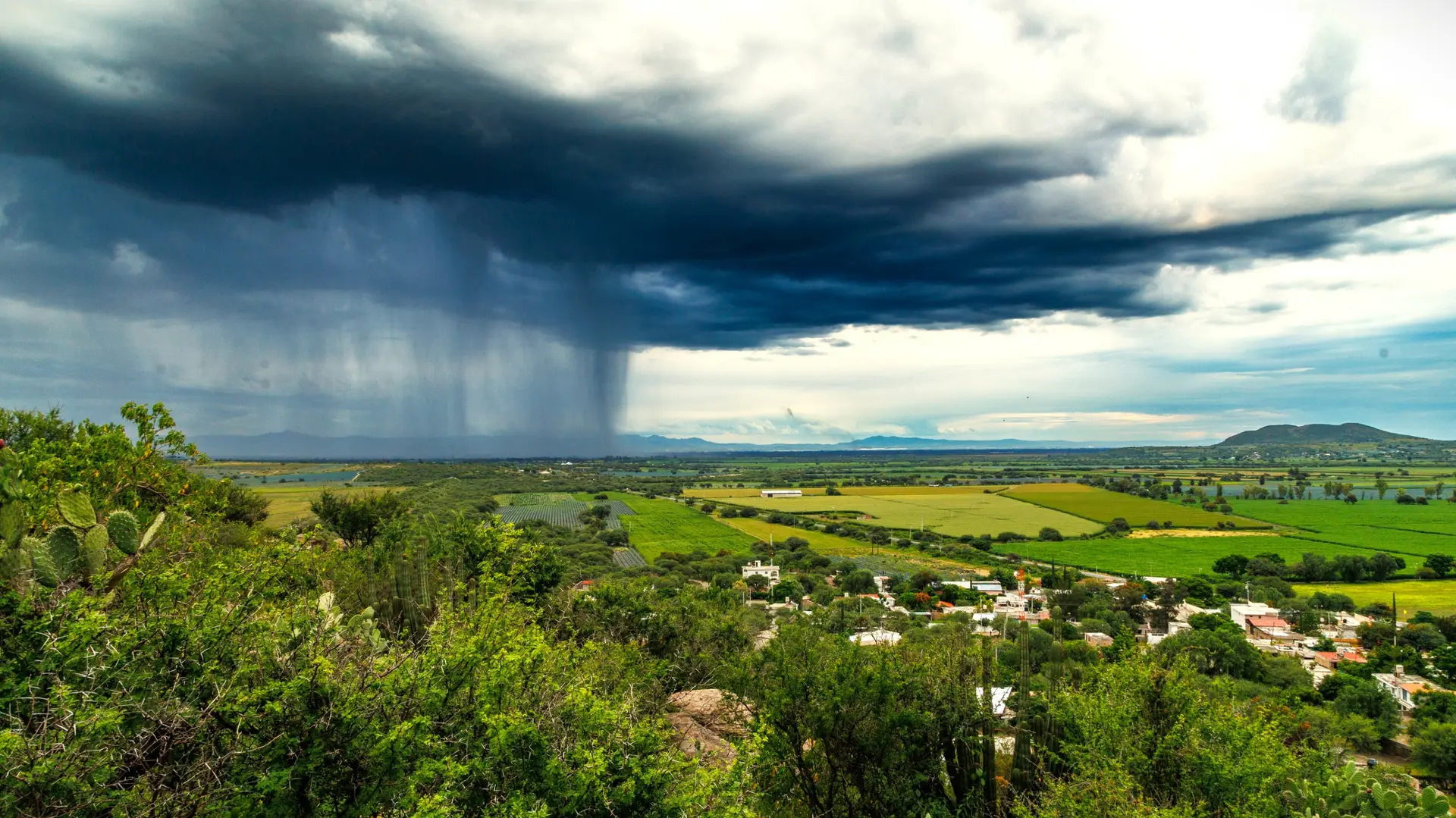
Climate Season
Dry season November to April, rainfall June to October, hurricanes September on the Yucatán side, climates vary by altitude.
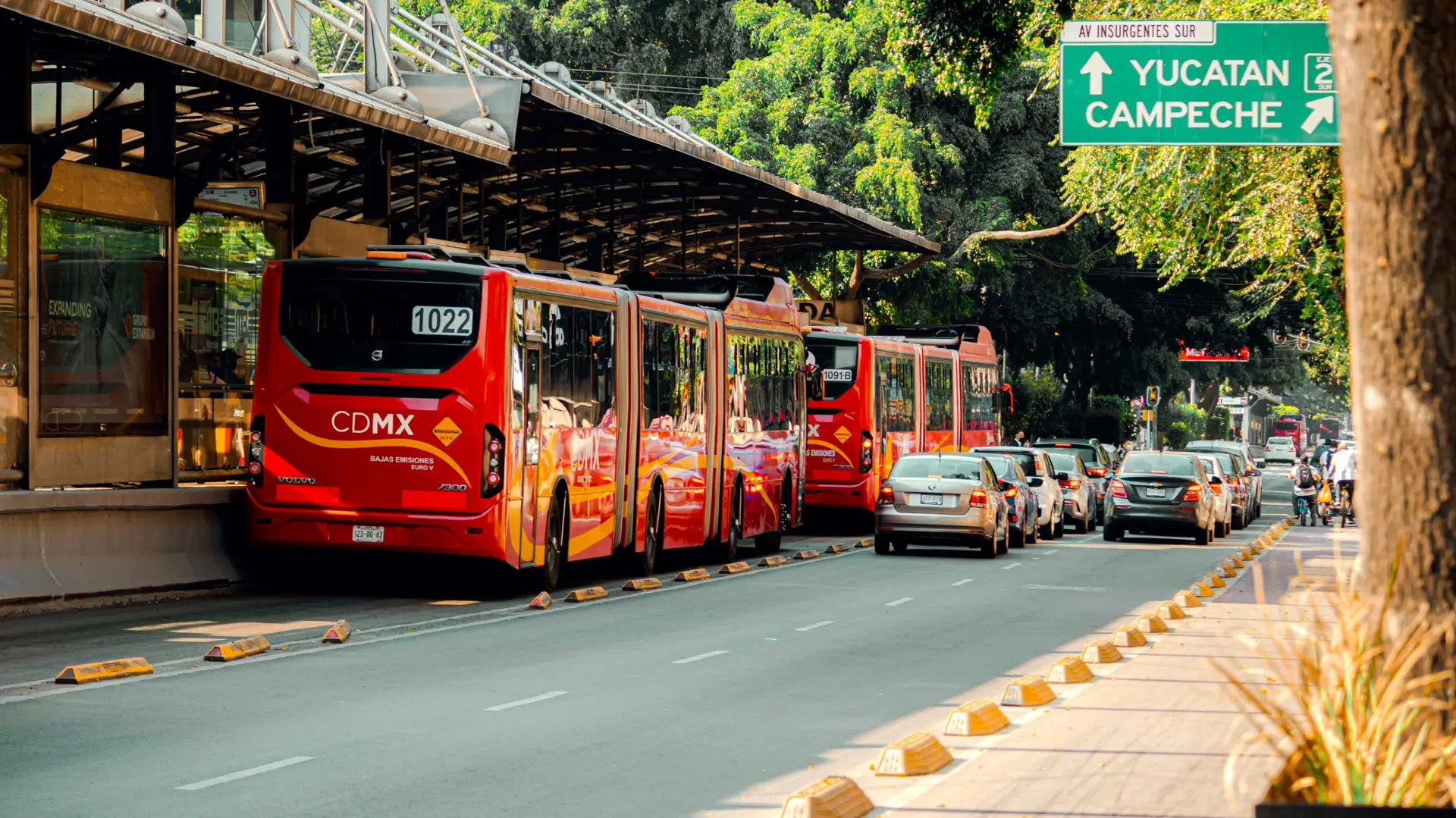
Transports
Aeromexico and Volaris domestic flights, comfortable ADO coaches, car rental not recommended outside Yucatán.
Culture
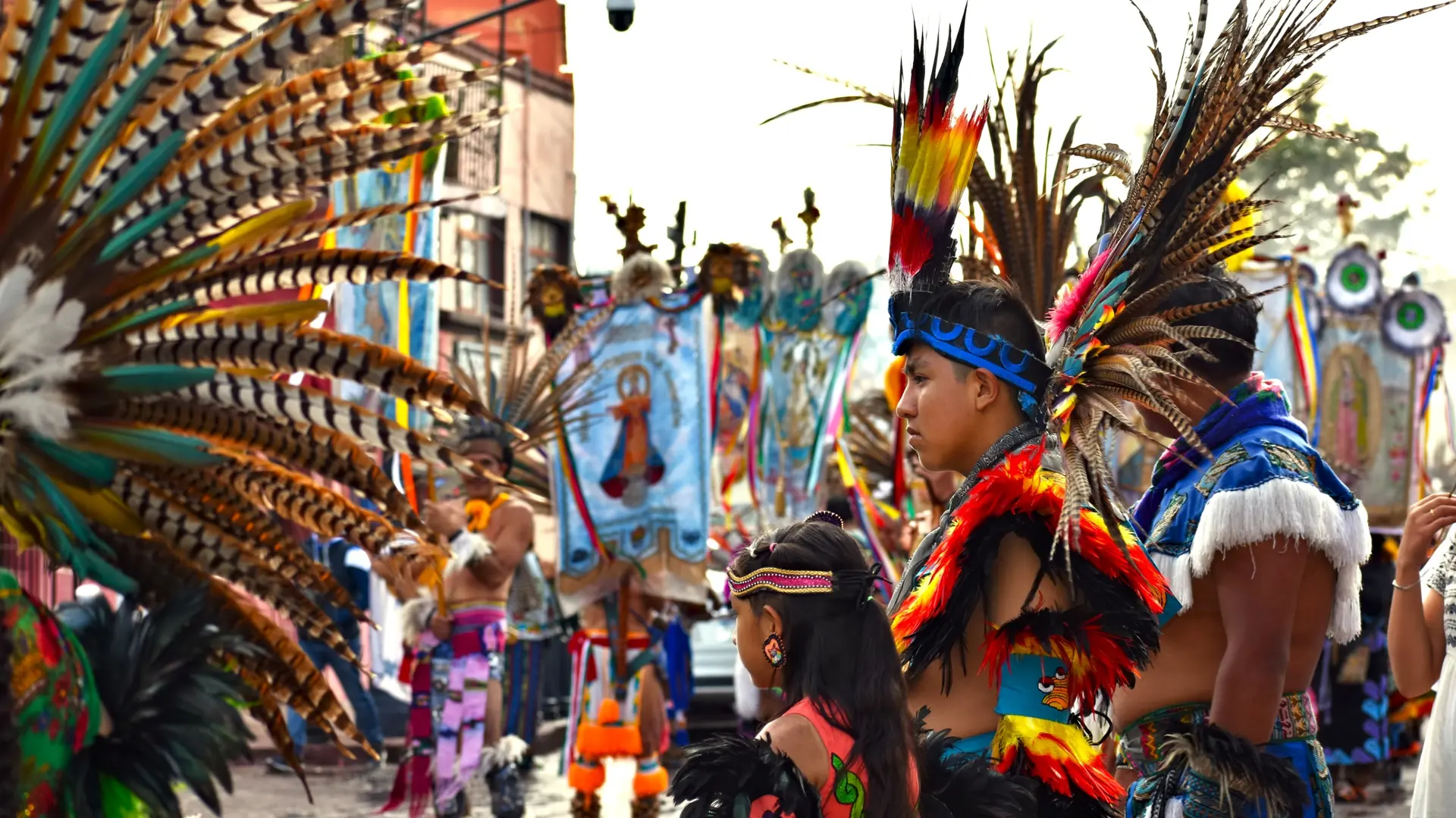
Formal address with elders, flexible punctuality, appropriate dress in churches and indigenous villages, ask before taking photos.
Helpful Tips
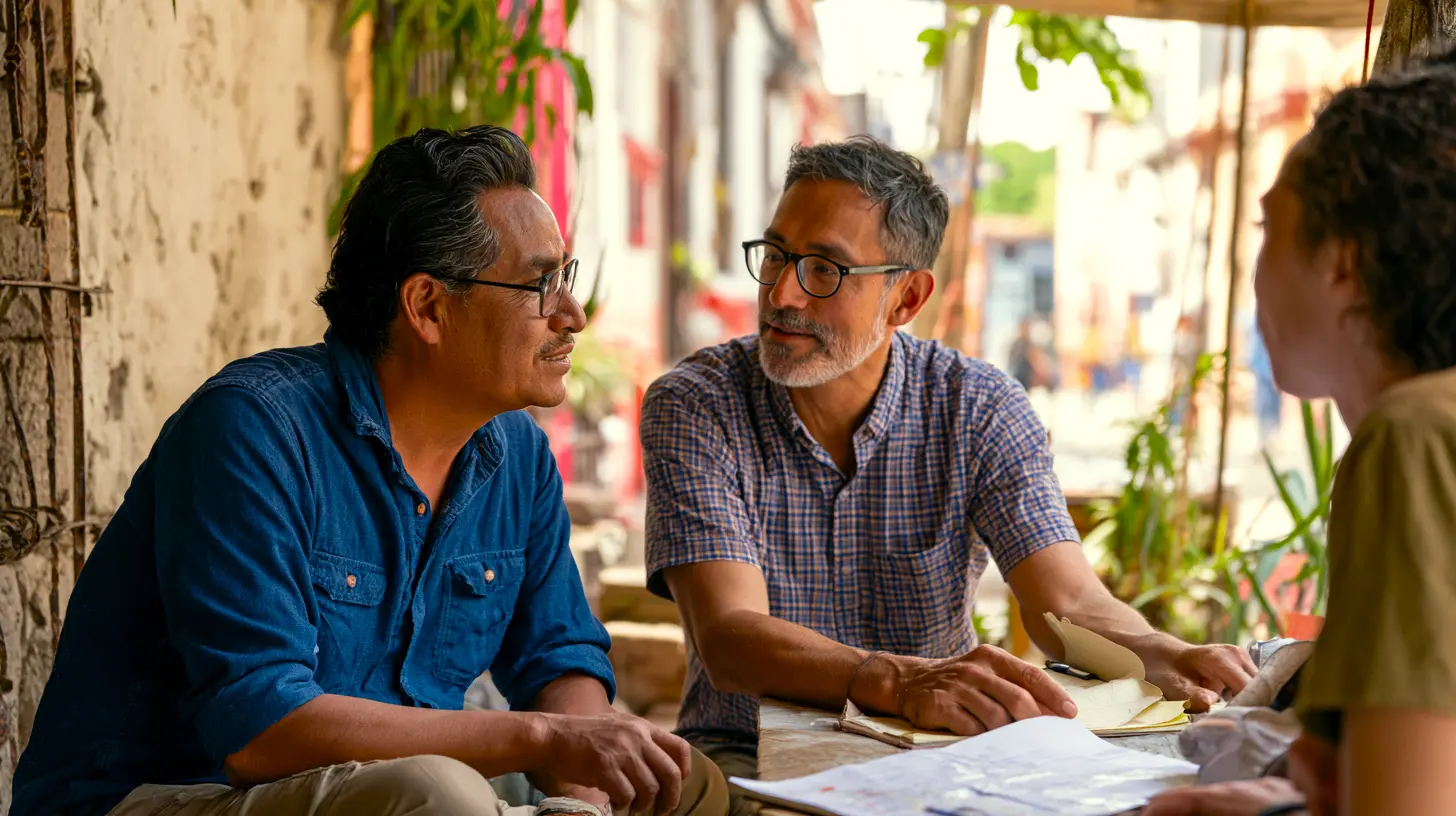
Bottled water only, type A/B outlets 110V, convenient Telcel eSIM, updated no-go zones by our team.
All practical guides
Search and filter among 0 articles
No articles match your criteria.
Frequently asked questions
The answers to the most frequently asked questions from our travellers.
No, French, Belgian, Swiss, and Canadian nationals do not need a visa for a tourist stay of up to 180 days. Upon arrival at an international airport (Mexico City, Cancún, Guadalajara, Monterrey), a migration officer will stamp your passport and give you an FMM form (Forma Migratoria Múltiple) that you must keep carefully until your return: losing it will result in a fine of approximately 30 euros when leaving the country. Your passport must be valid for at least six months after your scheduled return date. Since 2023, some airports have replaced the physical stamp with digital registration, but the 180-day rule remains the same. No fees to pay upon arrival.
No vaccines are mandatory to enter Mexico from Europe. We recommend being up to date on DTP (diphtheria-tetanus-poliomyelitis), hepatitis A and B, and typhoid if you plan to eat in rural markets. For stays in humid tropical areas (Chiapas jungle around Palenque, Huasteca Potosina, certain areas of the Yucatán during the rainy season), a light antimalarial treatment can be discussed with your doctor, and mosquito prevention remains essential against dengue, present year-round. Yellow fever vaccination is only required if you are arriving from a risk country (Peru, Colombia, Brazil). Consult an international vaccination center 4 to 6 weeks before departure.
Excluding international flights (€700 to €1,100 from Europe depending on season), budget €80 to €130 per day and per person for a trip with charming accommodation, local restaurants and guided activities. In detail: a night in a boutique hotel costs around €70 to €120 for a double room, a meal in a good restaurant between €15 and €25 per person, a street taco around €1, entry to Chichén Itzá €30, a domestic flight Mexico-Oaxaca approximately €100. For a luxury trip (haciendas, private chefs, transfers in private vehicle), budget rather €200 to €350 per day and per person. Tips (10 to 15% at restaurants, 50 pesos per day for a guide) are to be added.
The dry season, from November to April, remains ideal for most regions: pleasant temperatures on the central plateau (15 to 25°C), clear skies in the Yucatán and Baja California. December, January and Holy Week are the busiest periods, with higher hotel rates. May is very hot everywhere, June to October corresponds to the rainy season (generally brief afternoon showers) with a cyclonic risk over the Yucatán and Pacific coast in September. For grey whales in Baja California, aim for January to March. For Day of the Dead, early November in Oaxaca or Pátzcuaro. For the Guelaguetza in Oaxaca, late July.
Mexico is vast (3 times the size of France) and we systematically combine multiple modes of transport. Domestic flights (Aeromexico, Volaris, Viva Aerobus) often remain cost-effective on Mexico-Oaxaca, Mexico-Mérida or Mexico-La Paz routes, with tickets between €80 and €150 if booked in advance. For journeys under 6 hours, ADO and ETN Turistar coaches are excellent quality (reclining seats, air conditioning, punctuality). Car rental is mainly justified in the Yucatán, where roads are good and driving is relaxed, much less so elsewhere. In cities, we prefer Uber (secure and affordable) over street taxis. Our team arranges private transfers on all strategic segments.
Mexico remains safe for travelers who stick to classic tourist circuits (Yucatán, Mexico City, Oaxaca, Chiapas, colonial heartland, Baja California), where we have operated for years without major incidents. Certain northern states and Pacific coast areas (Tamaulipas, Sinaloa, Michoacán, Guerrero outside Acapulco-Zihuatanejo) are advised against by the French Foreign Office due to drug trafficking activities, and we systematically avoid these zones in our itineraries. Standard precautions apply: no display of jewelry or camera equipment, cash withdrawals during daytime at banks, taxis via Uber rather than hailing on the street, watch out for pickpockets in Mexico City's metro. Kim and our team remain available 24/7 throughout your trip.
Ready to travel to Mexico?
Discover our tailor-made itineraries, designed by our local team. Each route adapts to your pace, your preferences and your travel season.
See our toursWe use cookies to improve your experience and measure our site's audience. You can choose what you accept. Learn more.