Amparo Museum
Amparo Museum
In the heart of Puebla, the Amparo Museum traces 3,000 years of Mexican history through its pre-Hispanic collections, colonial treasures, and multilingual digital journey.
The Amparo Museum occupies two colonial buildings in Puebla's historic center and offers a journey spanning nearly three millennia of Mexican history, from pre-Hispanic civilizations to contemporary art. Its ancient art collection ranks among the most comprehensive in the country, and its early integration of digital tools has made it a benchmark for museum practice in Mexico.
Why Visit the Amparo Museum
- A rich pre-Hispanic collection bringing together Maya, Zapotec, Aztec, and Teotihuacan cultures under one roof.
- A remarkable architectural setting: two restored colonial buildings, including the former Hospital of Saint John of Latran.
- An interactive multilingual journey (French, Spanish, English, Japanese) across 14 permanent galleries.
- An illuminating dialogue between pre-Columbian ritual objects and living Mexican traditions, such as Día de Muertos.
- An ideal location in Puebla's historic center, designated as a UNESCO World Heritage site.
Building and Museum History
The main building was constructed in 1538 to house the Hospital of Saint John of Latran, one of the first medical establishments in New Spain. In the seventeenth century, Bishop Juan de Palafox y Mendoza converted it into a school for girls, a function it retained for several decades.
In 1871, lawyer Espinosa Bandini purchased part of the structure. Much later, his grandson, banker and patron Manuel Espinosa Yglesias, transformed the entire complex into a museum in memory of his late wife, Amparo Rugarcía. The Amparo Museum opened to the public in 1991.
The second building that completes the complex is a former refuge for married women, also restored to accommodate exhibition spaces. The coexistence of the two structures, connected by courtyards, gives the museum its distinctive character.
What to See at the Amparo Museum
Pre-Hispanic Collections
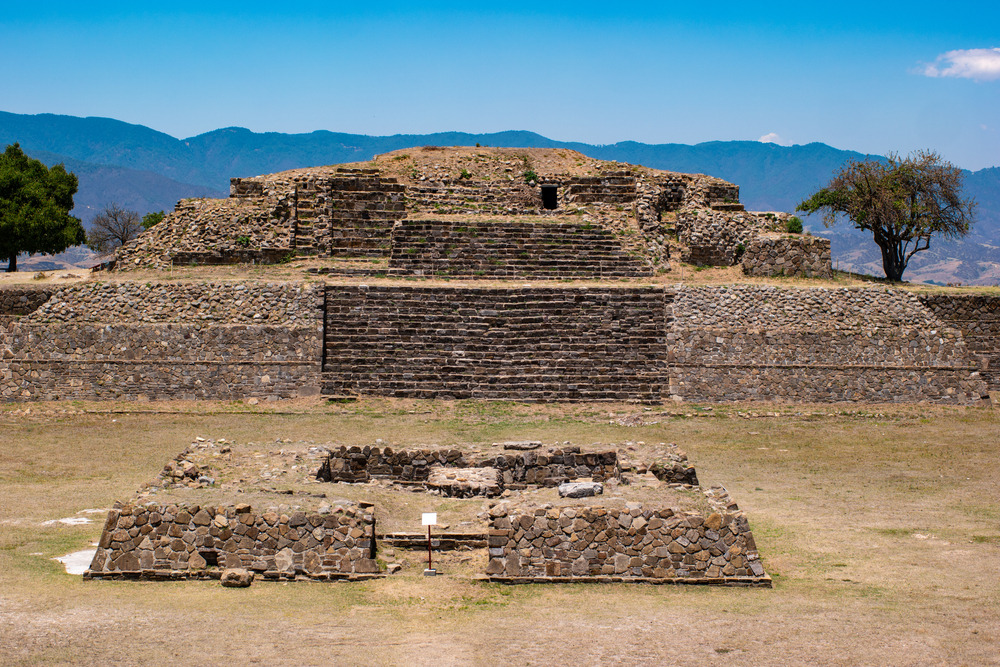
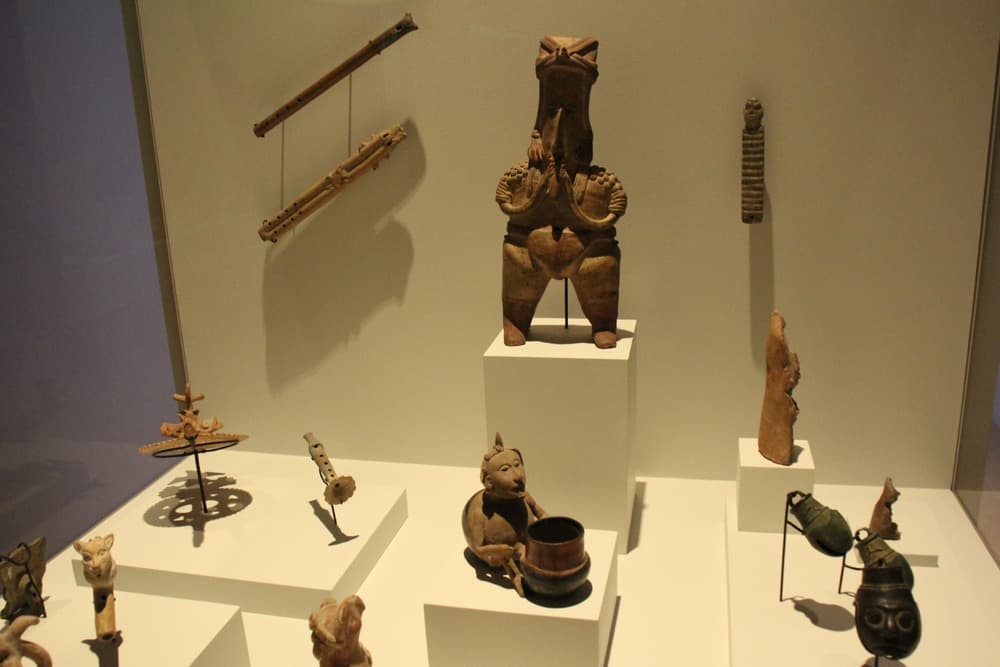
The heart of the museum houses several thousand pieces from the great Mesoamerican cultures: Maya, Zapotec, Aztec, as well as artifacts from Teotihuacan. The collection includes vessels, sculptures, altars, funerary stelae, and ceramic figurines, some dating back more than two millennia.
The museum's display strategy places pre-Columbian skulls alongside sugar skulls from Día de Muertos, highlighting the continuity of certain symbols between ancient and contemporary Mexico.
Colonial Art and the House Museum
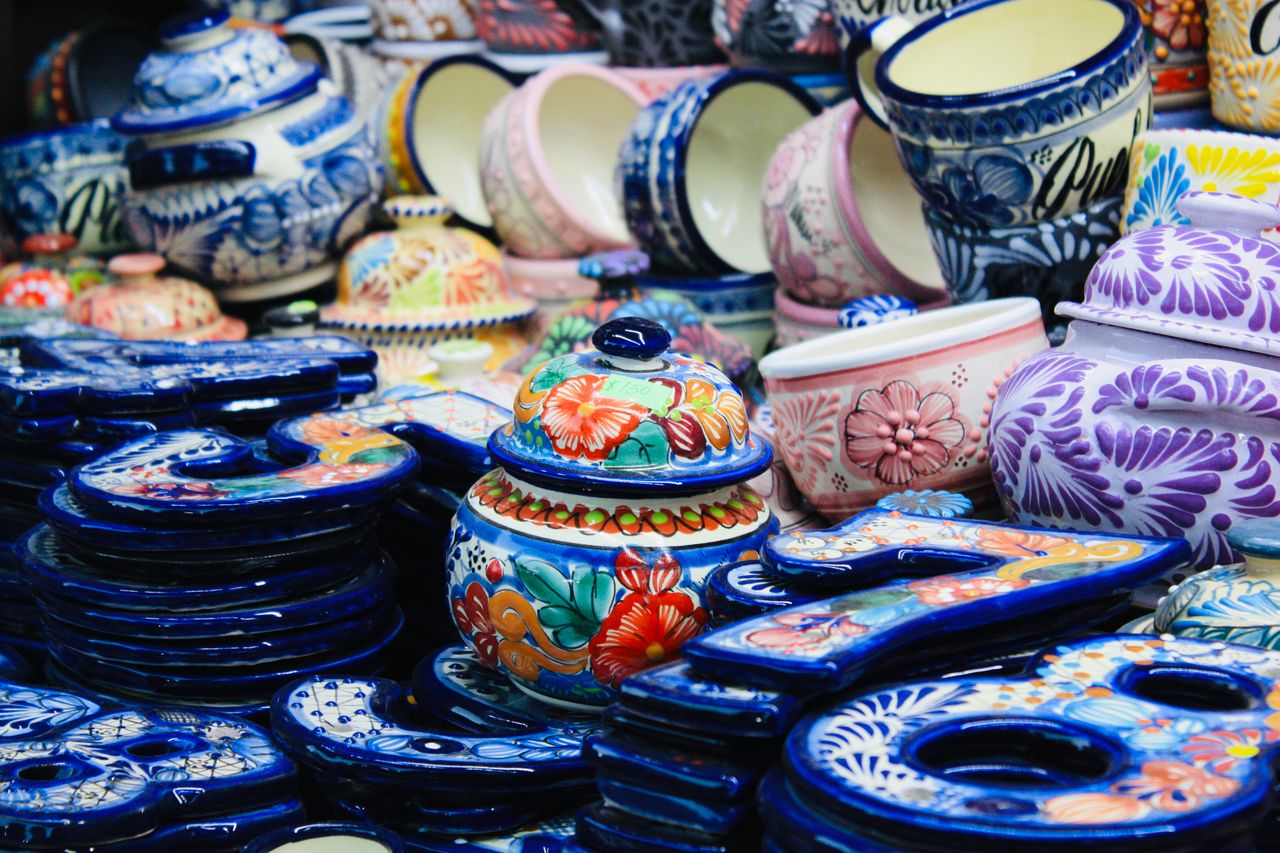
One section recreates the interior of a colonial residence: period furniture, religious sculptures, paintings from New Spain, and Talavera pottery—the emblematic ceramic specialty of Puebla. These galleries offer a tangible window into domestic life from the seventeenth through nineteenth centuries.
The Digital Experience
The museum presents an interactive journey available in four languages (French, Spanish, English, Japanese) across its 14 permanent galleries. This technological integration, pioneering in Mexico's museum landscape, allows visitors to deepen their understanding of the context surrounding each piece.
Temporary Exhibitions
The Amparo Museum regularly hosts modern and contemporary art exhibitions, as well as concerts, lectures, and workshops. The terrace on the top floor offers clear views of the Popocatépetl and Iztaccíhuatl volcanoes on clear days.
Practical Information
- Address: 2 Sur 708, Centro, 72000 Heroica Puebla de Zaragoza.
- Recommended visit duration: plan for 2 to 3 hours to explore the entire collection.
- Admission: moderate entrance fee, with one free admission day per week (check the official website).
- Hours: open Wednesday to Monday, closed Tuesdays. Check the official website before your visit, as hours vary by season.
- Accessibility: building equipped for visitors with reduced mobility.
- Languages: interpretive panels and app available in Spanish, English, French, and Japanese.
Nearby Attractions
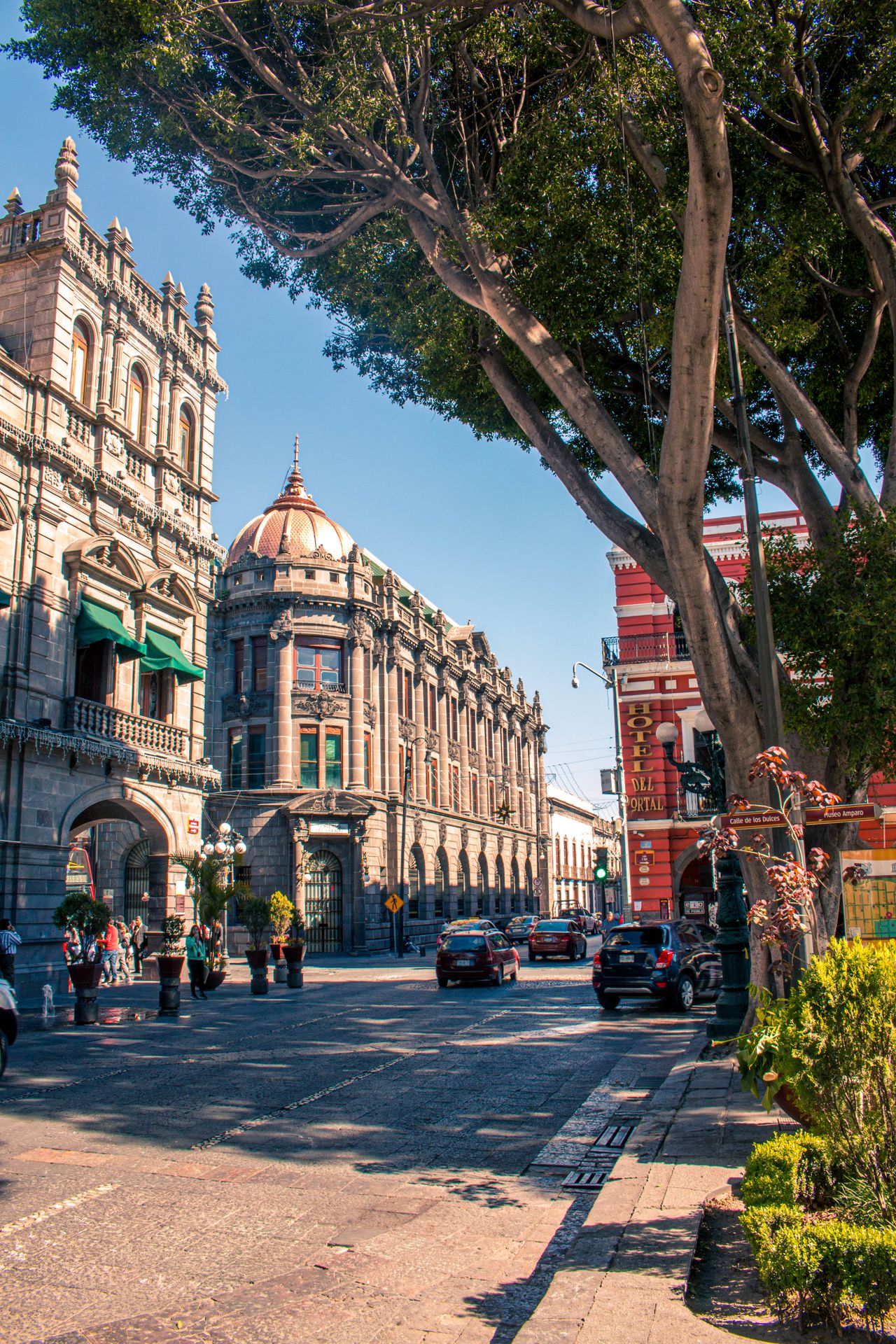
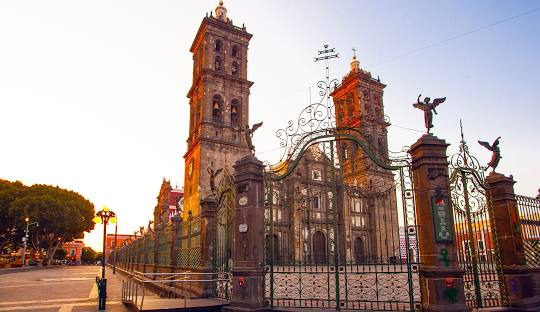
The museum sits in the heart of Puebla's historic center, just a few blocks from the cathedral and the Zócalo. A day in Puebla allows you to easily visit multiple cultural sites on foot. To extend your journey through Mexico, explore our guides to the historic center of Mexico City, the neighborhood of Coyoacán, the Basilica of Guadalupe, and the Mercado Ciudadela for local crafts.
When to Visit
The Amparo Museum welcomes visitors year-round. The period surrounding Día de Muertos (late October to early November) is particularly compelling: the museum offers special programming that deepens the dialogue between pre-Columbian cultures and living traditions. Visit in the morning to avoid weekend crowds.
Frequently Asked Questions
Frequently asked questions
Plan for 2 to 3 hours to explore the 14 permanent galleries. If you also want to see a temporary exhibition and enjoy the terrace, allow half a day.
Yes. The interactive digital experience is available in French, Spanish, English, and Japanese, making it one of Mexico's most accessible museums for English-speaking visitors.
The pre-Hispanic collections feature pieces from Maya, Zapotec, Aztec, and Teotihuacan cultures, complemented by colonial and modern Mexican art.
Yes. The digital tools, clear layout, and periodic workshops make it an accessible experience for children from about 7 or 8 years old.
Incorporating Puebla into Your Mexico Journey
Puebla and its colonial heritage fit naturally into an itinerary linking Mexico City, Oaxaca, or the Gulf Coast. To plan your custom-made journey, explore our Mexico travel packages and connect with our specialists.
Interested in this visit?
We can include it in your personalised itinerary.