San Ángel
San Ángel
San Ángel is a colonial quarter in southern Mexico City, renowned for its cobblestone streets, a 17th-century Carmelite convent, and the celebrated Bazar del Sábado. A 20-minute walk from Coyoacán.
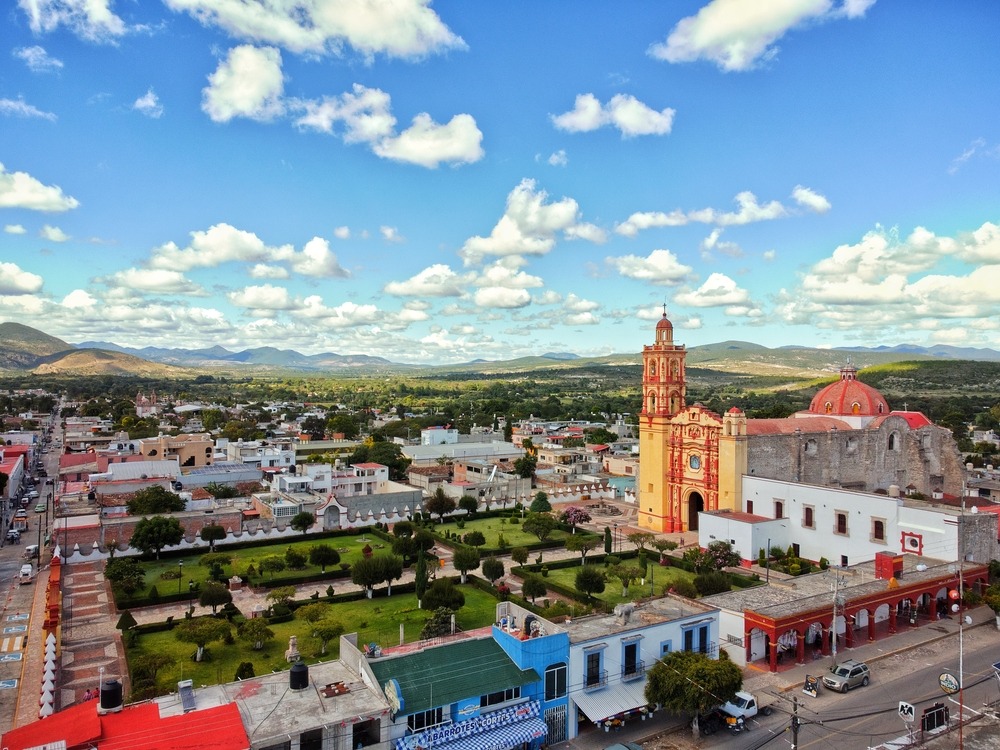
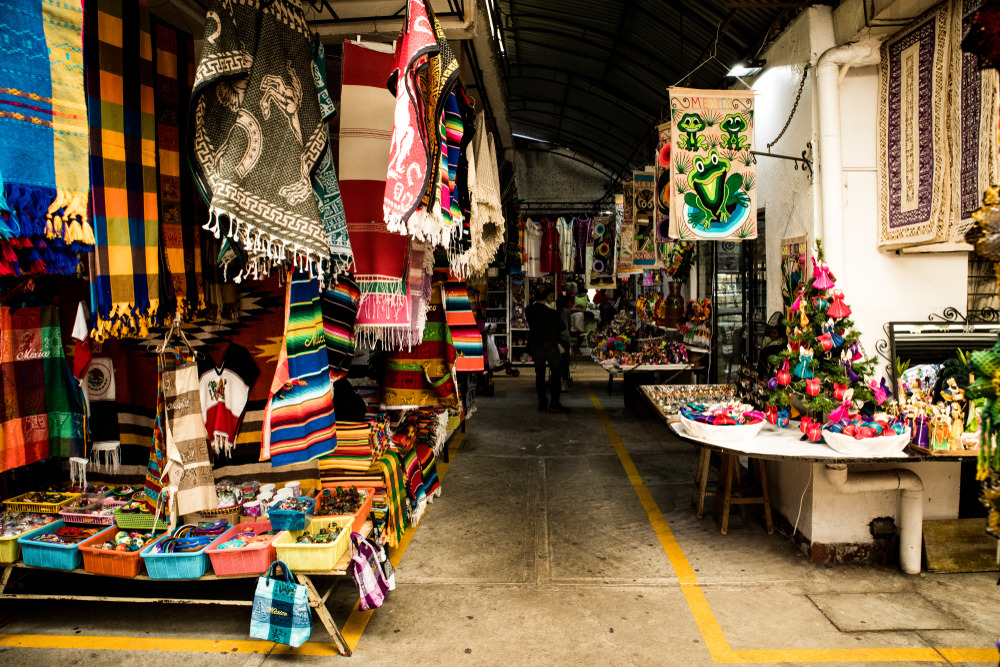
San Ángel is a historic neighborhood in southwestern Mexico City, a former colonial town absorbed into the capital during the 20th century. Its cobblestone streets, 17th-century convents, and colorfully façaded houses make it one of the city's best-preserved quarters. Every Saturday, the Bazar del Sábado transforms Plaza San Jacinto into an upscale crafts market, drawing collectors and curious travelers from around the world.
Practical Information at a Glance
- Access: Metro line 3, Miguel Ángel de Quevedo station, then approximately 10 minutes on foot toward the heart of the quarter.
- Bazar del Sábado: Open Saturdays only, Plaza San Jacinto.
- Entry: The quarter is freely accessible; certain museums and convents charge admission.
- Recommended duration: Half a day to a full day depending on museums visited.
- Dress code: No particular restrictions for public spaces; modest dress for places of worship.
What to See
The heart of the quarter revolves around Plaza San Jacinto, bordered by colonial houses and art galleries. The Museo Casa Estudio Diego Rivera y Frida Kahlo, designed by architect Juan O'Gorman in the 1930s, showcases the twin studios of the couple. The Museo del Carmen, housed in the former 17th-century Carmelite convent, preserves naturally mummified remains in its crypts.
History and Context
San Ángel emerges around the Carmelite convent founded in 1615. For centuries, it serves as a retreat favored by Mexico City's affluent families, who build grand residences here. Annexation to the capital in the 20th century does not erase its character: the quarter retains its colonial layout and village-like atmosphere. The Battle of Churubusco (1847), during the Mexican-American War, takes place in immediate proximity.
Highlights of Your Visit
Bazar del Sábado
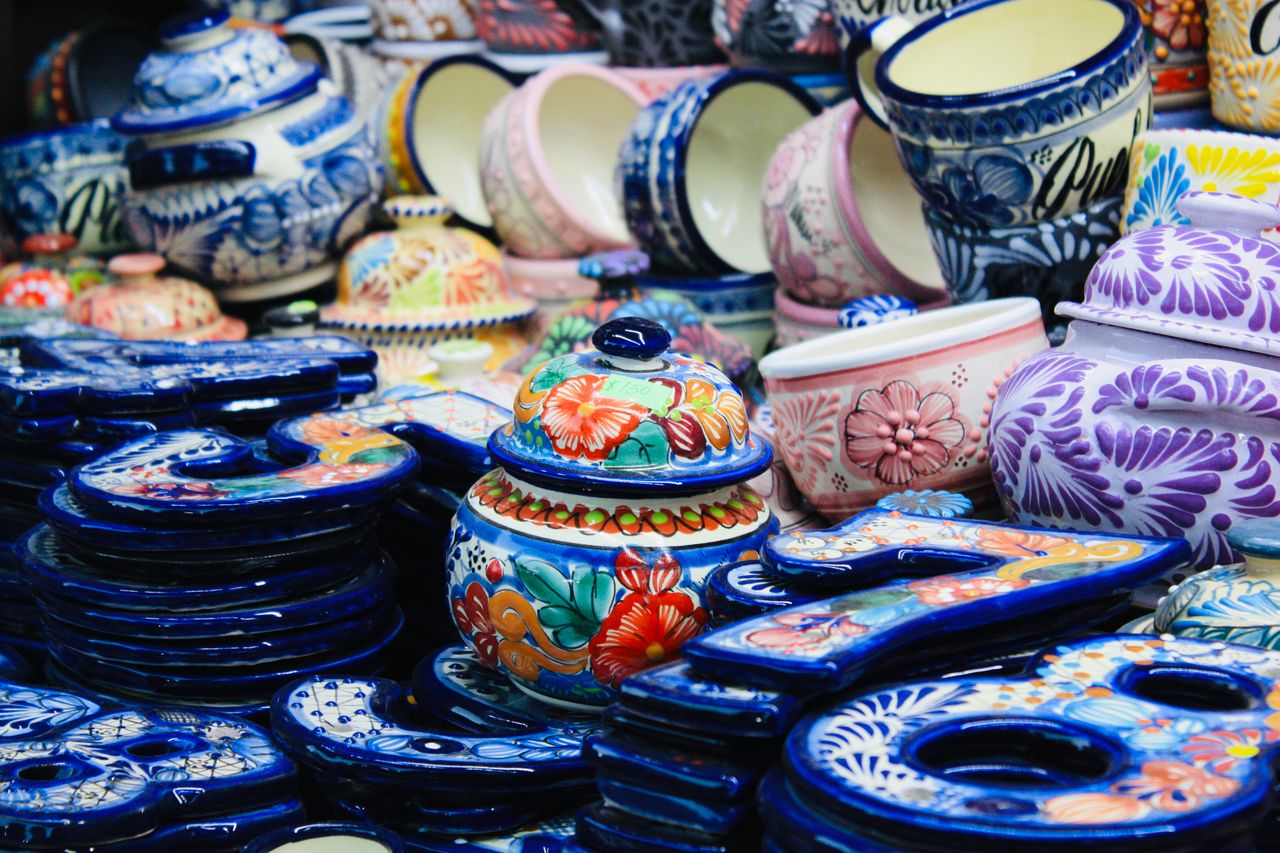
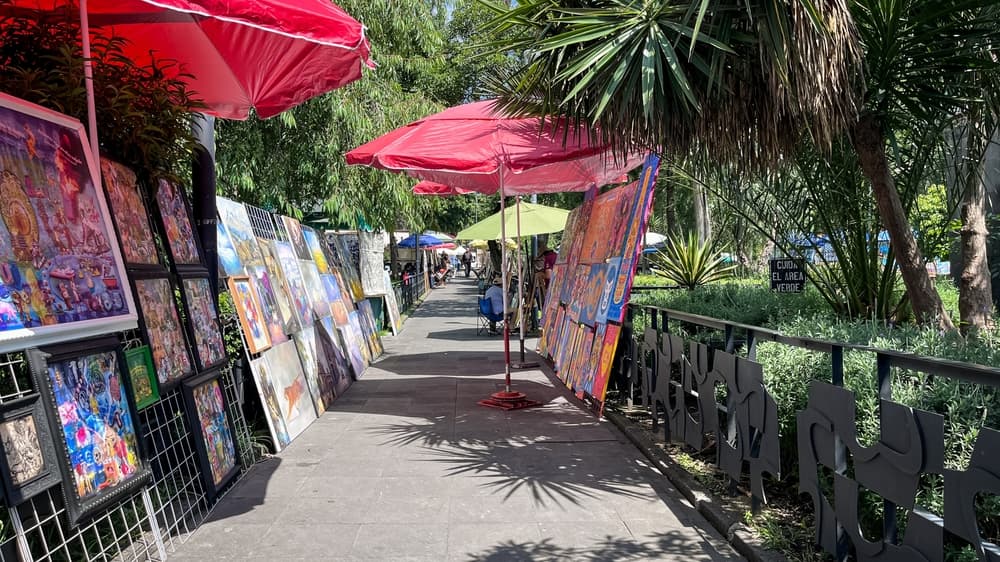
Every Saturday, Plaza San Jacinto hosts this selective crafts market: sterling silver jewelry, Oaxacan textiles, Talavera ceramics, paintings. The quality is notably superior to ordinary tourist markets. Surrounding galleries open their doors on this day as well.
Museo del Carmen
The former convent houses a collection of colonial religious art and, within its crypts, mummified remains of clergy and notables from the 17th–18th centuries. The Mudéjar architecture of its tiled domes is remarkable when viewed from the garden.
Casa Estudio Diego Rivera y Frida Kahlo
In 1931, Juan O'Gorman designs two functionalist studio houses connected by a footbridge. Rivera's studio on the second floor of the blue house remains as he left it. The museum provides an intimate glimpse into the couple's daily life.
Streets and Gardens
Calle Francisco Sosa, which connects San Ángel to Coyoacán, is lined with classified colonial residences. The gardens of Plaza del Carmen offer a shaded retreat between visits.
Photography Tips
Morning light is ideal on Plaza San Jacinto before the Saturday crowds arrive. The tiled domes of Museo del Carmen photograph beautifully from the garden in late morning when sunlight strikes the azulejos. Inside the museums, check restrictions before bringing out your camera: Museo del Carmen often prohibits photography in the crypts.
Location and Access
San Ángel is located in the Álvaro Obregón borough, approximately 15 km southwest of Mexico City's historic center. The Miguel Ángel de Quevedo metro station (line 3) is the most convenient entry point. Metrobús (line 1) also serves the area via Avenida Insurgentes. By car, parking is difficult on Saturdays. The quarter is largely pedestrian and poorly suited for wheelchair access due to cobblestones.
San Ángel is directly connected on foot or by taxi to Coyoacán via Calle Francisco Sosa (approximately 20 minutes on foot).
Nearby Attractions
- Coyoacán — Bohemian neighboring quarter, Frida Kahlo's birthplace and lively weekend markets.
- Museo Frida Kahlo (La Casa Azul) — The artist's birthplace in Coyoacán, holding her works and personal belongings.
- Ciudad Universitaria (UNAM) — UNESCO-listed campus, celebrated for its wall mosaics by Diego Rivera and Juan O'Gorman.
- Reserva Ecológica del Pedregal — Natural reserve on a volcanic lava flow at the heart of the UNAM campus.
Frequently asked questions
Saturday, for the Bazar del Sábado and gallery activity. Weekdays bring a calmer atmosphere, ideal for leisurely wandering without crowds.
Yes. The two quarters are connected by Calle Francisco Sosa (approximately 20 minutes on foot). Start in San Ángel in the morning, then move to Coyoacán in the afternoon.
It runs every Saturday, including most public holidays. Check with the local tourism office during Holy Week or national holidays.
Photography is generally allowed in the colonial art galleries but often prohibited in the crypts where the mummies are housed. Inquire at the entrance.
Take metro line 3 to Miguel Ángel de Quevedo, or Metrobús line 1 on Insurgentes. Allow approximately 30 to 40 minutes from the Zócalo.
The cobblestone streets make navigation difficult for people with reduced mobility. Some museums have adapted access; contact each establishment directly.
Nearby
Interested in this visit?
We can include it in your personalised itinerary.