What are the most beautiful volcanoes in Mexico?
Located on the Pacific Ring of Fire – a chain of volcanoes stretching nearly 40,000 kilometers along the ocean – Mexico boasts extraordinary geological wealth.
Located on the Pacific Ring of Fire – a chain of volcanoes stretching nearly 40,000 kilometers along the ocean – Mexico boasts extraordinary geological wealth. Dormant or active, easy or reserved for experienced trekkers: each volcano in Mexico promises an unforgettable trail… Follow us as we uncover the most stunning Mexican summits!
Paricutín: the Mexican volcano that emerged in 1943
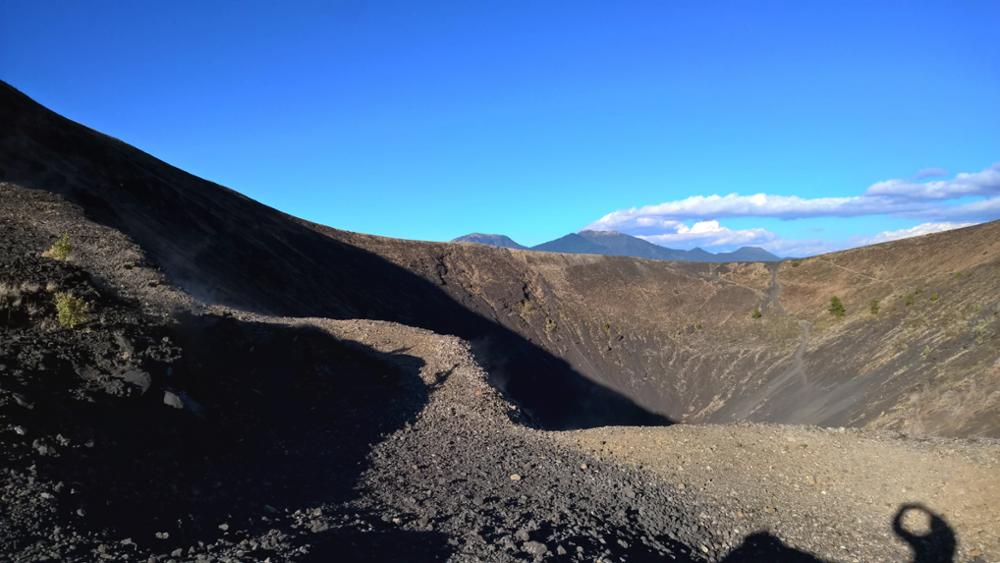
In the Sierra de Ucareo mountain range, you'll find Paricutín volcano. Standing at 2,800 meters in altitude, it belongs to the Michoacán-Guanajuato volcanic chain – which counts 1,400 volcanoes.
Paricutín is one of the youngest volcanoes in the world. Indeed, it emerged in a cornfield in 1943! During the eruption, its lava flows engulfed numerous agricultural lands and two villages: San Juan Parangaricutiro and Paricutín (which now form the town of Nuevo San Juan).
To climb the volcano, head to San Juan Nuevo. From there, you can set off on a hike (on foot or horseback) to the ruins of the old church located 3 km from your starting point.
Aiming for the summit instead? In that case, a guide is highly recommended, as the trail is quite challenging – especially due to the numerous fumaroles dotting the route and the lack of oxygen.
Practical information Last eruption: 1952 Activity: Yes Hiking difficulty: Difficult to reach the summit To know: Budget approximately 500 pesos per person (€25-30) for a full-day horseback excursion |
Nevado de Toluca: the Xinantécatl volcano
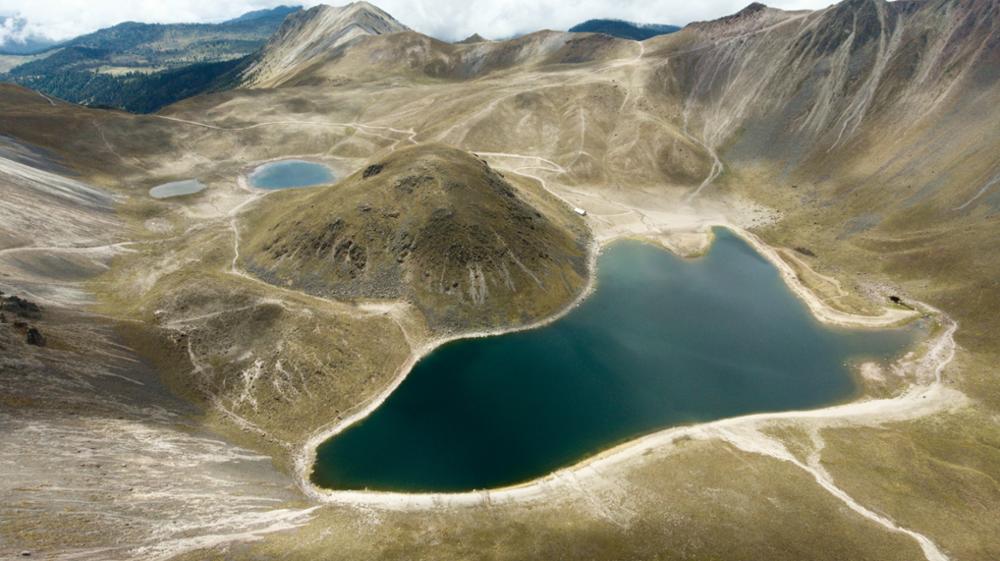
Standing at 4,691 meters in altitude, approximately two hours by car from Mexico City, the Toluca volcano (also named Xinantécatl) is Mexico's fourth highest peak. It's accessible to all trekkers thanks to its fairly easy trail; part of which can be completed by car – up to 3,700 meters altitude.
After that? You'll need to board a pick-up truck (waiting at the entrance of this second stage) to reach the crater rim, then embark on one last short hike (somewhat steep). Once you reach the summit, you'll enjoy breathtaking views of lakes, lagoons, and neighboring volcanoes!
Practical information Activity: Dormant Hiking difficulty: Easy (and very easy for experienced trekkers) To know: Budget 50 pesos (€3) for the pick-up truck |
La Malinche: the Matlalcuiet volcano
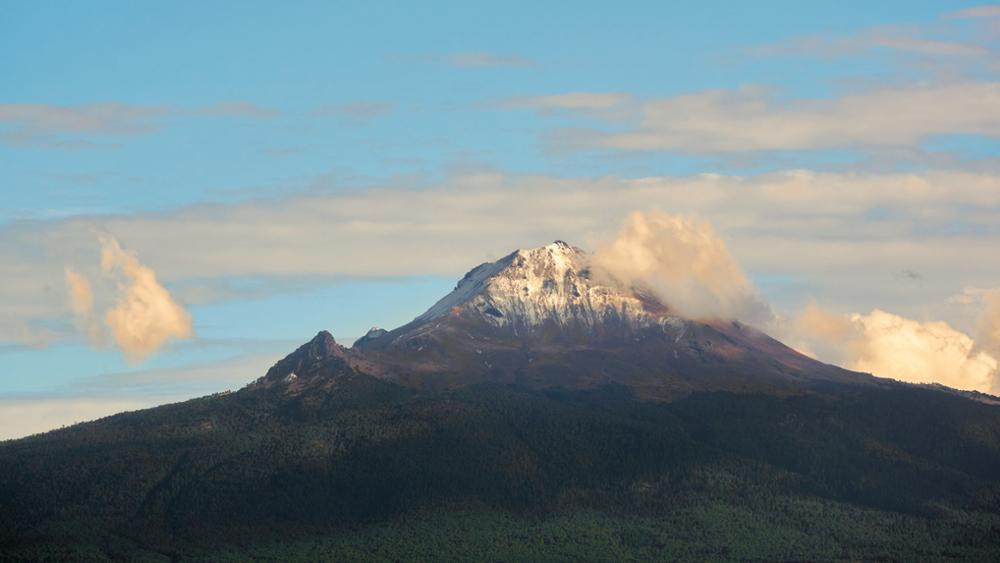
The La Malinche volcano (peaking at 4,420 meters altitude) is located in the Anahua Neovolcanic Cordillera, in the state of Tlaxcala. The trek departs from its namesake national park.
To climb the first 1,500 meters, budget approximately 4 hours of hiking. Be aware that the difficulty of the route increases with altitude, and so do the varying landscapes – forested, sandy, rocky… At the summit? You'll be rewarded with a sublime panorama of the Iztaccihuatl, Popocatépetl, and Pico Orizaba volcanoes!
This hike requires good physical fitness as well as adequate gear. Beyond sturdy hiking boots, bring a helmet (to protect against falling rocks), along with a hiking pole – especially useful during your descent.
Practical information Activity: Dormant Hiking difficulty: Intermediate To know: The volcano is inaccessible during the rainy season (May-October) |
Iztaccihuatl: the "Sleeping Woman" volcano
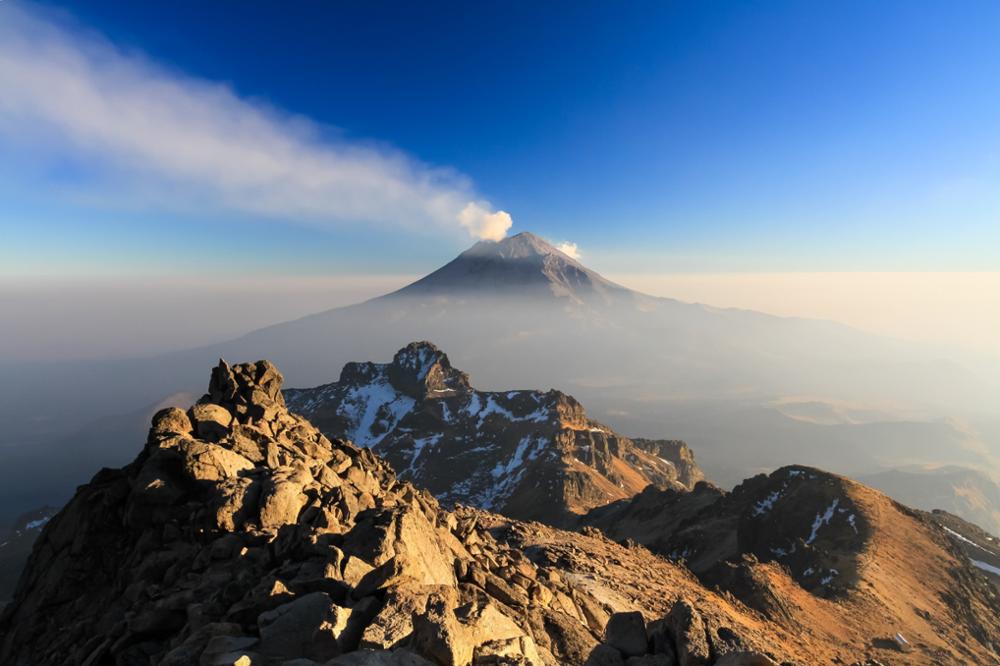
The Iztaccihuatl volcano is a natural wonder standing at 5,220 meters high! It comprises four peaks (whose geomorphology represents a sleeping woman) and numerous hiking trails that attract experienced trekkers from around the world.
The ascent begins at the Joya refuge – a base camp situated at 3,800 meters altitude, accessible by car from the Paso de Cortés mountain pass (in Puebla state).
Count between 7 to 10 hours of climbing depending on your fitness level, and 3 hours for the descent. Taking a guide is more than recommended. The period between November and June is best to avoid rain. Plan several days to acclimatize to the altitude (and two days of hiking).
Practical information Activity: Dormant Hiking difficulty: Experienced To know: Climbing this volcano requires good altitude acclimatization to avoid soroche (altitude sickness). Before tackling Iztaccihuatl, spend 48 hours in a high-altitude city to help your body adjust. |
Popocatépetl: the erupting volcano
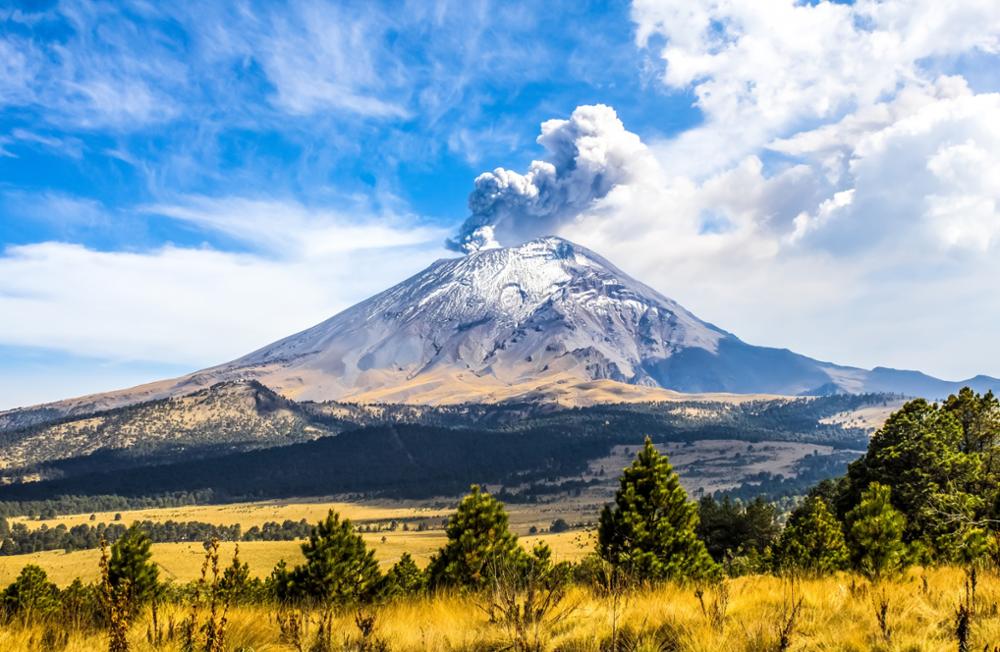
Located in Puebla state (80 kilometers southeast of the capital), Popocatépetl volcano is recognizable by its snow-capped conical summit. It's renowned for its intense eruptions, which propel ash across an area spanning roughly forty kilometers…
The most recent, occurring in 2020, had launched an ash cloud more than 8,000 meters high! In May 2023, low-intensity eruptive activity was also recorded… Since then, the volcano has been under constant surveillance.
The trek departs from the Tlamacas refuge (located at 3,947 meters altitude). If access to Popocatépetl is closed due to eruption or poor weather conditions, know that it's possible to view it from Mexico City (when skies are clear), as well as from the town of Amecameca.
Practical information Last eruption: 2020 Activity: Active Hiking difficulty: Experienced To know: Climbing this volcano requires good altitude acclimatization. Depending on its activity level and eruption risk, the volcano may be closed to the public. |
Pico de Orizaba: the Citlaltépetl volcano
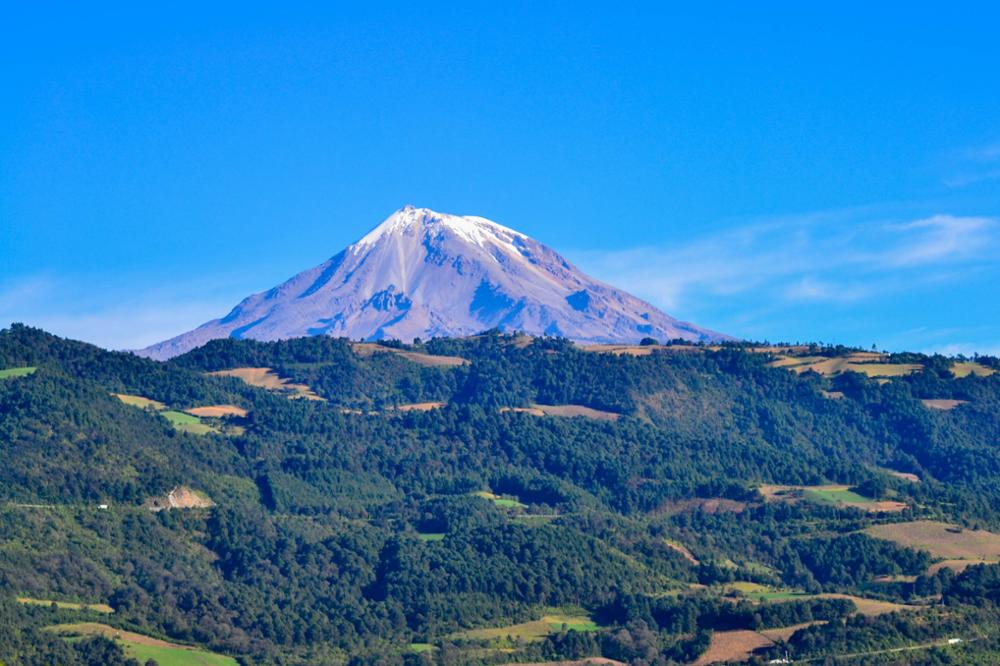
At 5,675 meters altitude, the Pico de Orizaba volcano is Mexico's highest peak – and North America's third highest! Also named Citlaltépetl, this natural gem offers numerous hiking circuits…
Some accessible to beginners (though still requiring good fitness and trekking experience). Others, accessible only to experienced trekkers, due to their high difficulty level.
Similarly, depending on the route chosen, the circuit may (or may not) require specific equipment (especially if you pass through the Jamapa Glacier). The main trek departure – the most frequented – begins from the town of Tlachichuca (on the volcano's north face).
Practical information Last eruption: 1846 Activity: Active Hiking difficulty: Beginner to experienced (depending on the route) |
Nevado de Colima: the Zapotepetl volcano
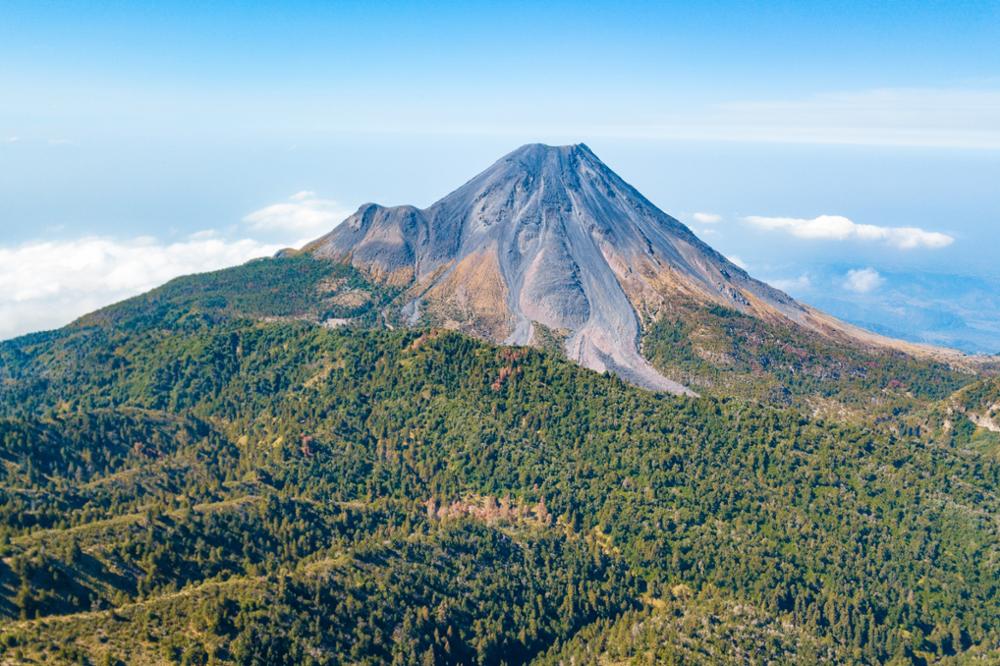
In western Mexico, in Michoacán state, you'll find Nevado de Colima volcano. Located within its namesake national park, it stands at 4,240 meters and offers superb panoramic views over the area's other main volcano: Fuego de Colima.
The ascent departs mainly from Ciudad Guzmán, a nearby town situated at 1,507 meters altitude. To reach the summit? Budget approximately 4 hours of hiking through steep terrain – demanding good physical fitness and solid gear.
Nevado de Colima is renowned for its ornithological wealth. During your trekking adventure, you'll have the chance to spot numerous birds, such as the rufous-breasted hawk and the broad-tailed hummingbird.
Practical information Activity: Dormant Hiking difficulty: Intermediate To know: Access to Nevado de Colima is conditional on the activity of Fuego de Colima, located only a few kilometers away. Still active, it can erupt and thus force closure of Nevado as a safety precaution. |
Frequently asked questions
Mexico's highest volcano is Pico de Orizaba (also called Citlaltépetl), standing at 5,675 meters altitude. It's also North America's third highest peak.
Mexico has several active volcanoes. Popocatépetl is one of the most monitored, with regular eruptive activity (last notable eruption in 2020). Pico de Orizaba is also classified as active, although its last eruption dates to 1846. Fuego de Colima (neighboring Nevado de Colima) is also active.
For high-altitude volcanoes like Iztaccihuatl or Paricutín, a guide is strongly recommended, if not essential. For more accessible volcanoes like Nevado de Toluca, a guide isn't mandatory for experienced trekkers, but remains advisable for newcomers.
The ideal period generally falls between November and April, outside the rainy season (May-October). For La Malinche volcano, for example, access closes during the rainy season. Between November and June, Iztaccihuatl also offers the best climbing conditions.
To avoid soroche (altitude sickness), it's recommended to acclimate gradually to altitude before undertaking a climb. Spend at least 48 hours in a high-altitude city before tackling summits like Iztaccihuatl (5,220 m) or Pico de Orizaba (5,675 m). Drink plenty of water, avoid alcohol, and ascend gradually.
The lower portion of the Paricutín hike, to the ruins of the old church 3 km from your starting point, is accessible to everyone (on foot or horseback). However, climbing to the summit is difficult due to fumaroles and oxygen scarcity, requiring a guide and good physical condition.