Mexican Souvenirs: 11 Authentic Gift Ideas to Pack in Your Suitcase!
Brimming with vibrant traditions and a rich cultural heritage, the land of Frida Kahlo is filled with distinctive objects reflecting the country's history, customs, and local craftsmanship...
Brimming with vibrant traditions and a rich cultural heritage, the land of Frida Kahlo is filled with distinctive objects reflecting the country's history, its customs, and its local craftsmanship... From the famous skulls to traditional musical instruments, passing through alebrijes and "Maya chocolate": here are 11 souvenir gift ideas to bring back from Mexique!
1. Calaveras (Colorful Skulls)
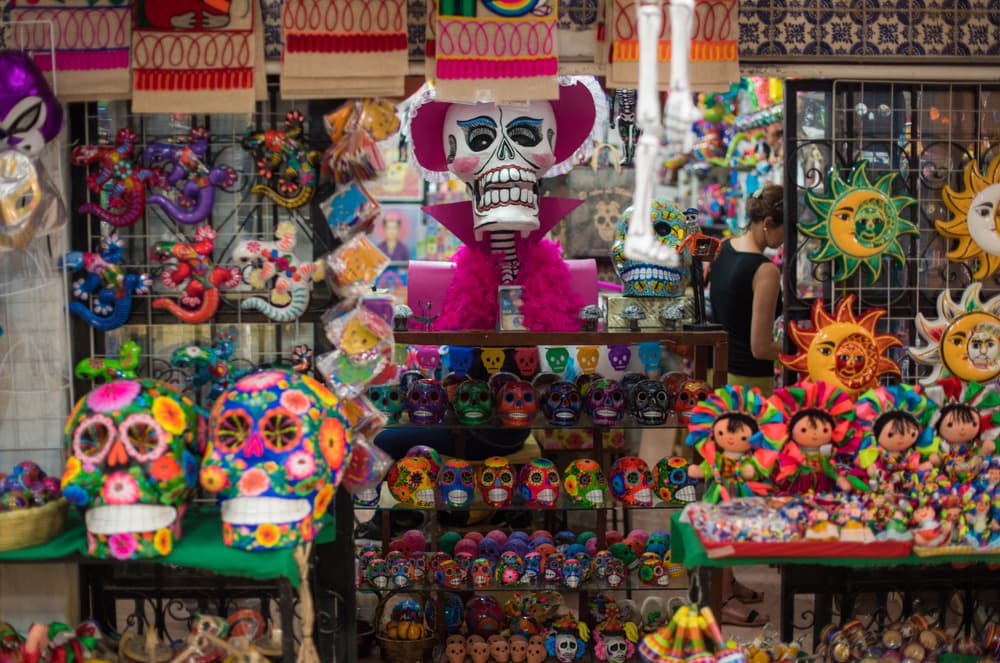
Symbols of the día de los muertos (Day of the Dead) – celebrated every year on November 2nd – calaveras are joyful representations of death; created to celebrate the memory of the deceased in a festive and colorful atmosphere.
On the day of the celebration, skull-shaped objects appear in different sizes and various multicolored patterns. As souvenirs, you'll find them in local markets and artisanal shops, often as interior decoration pieces or made from chocolate.
2. Hand-Painted Ceramics and Black Pottery Barro Negro
Mexican ceramics are particularly found in the culinary world – bowls, serving platters, mugs, and more. Each piece, hand-painted, is unique and reflects local craftsmanship...
Black pottery (barro negro) is made from a specific clay sourced from the lands of San Bartolo Coyotepec, in the state of Oaxaca. During the manufacturing process, it's polished by hand before firing, distinguished by its glossy finish.
Rather fragile, these traditional pottery pieces require careful packing and, if possible, should be carried in your cabin luggage.
3. Alebrije Sculptures
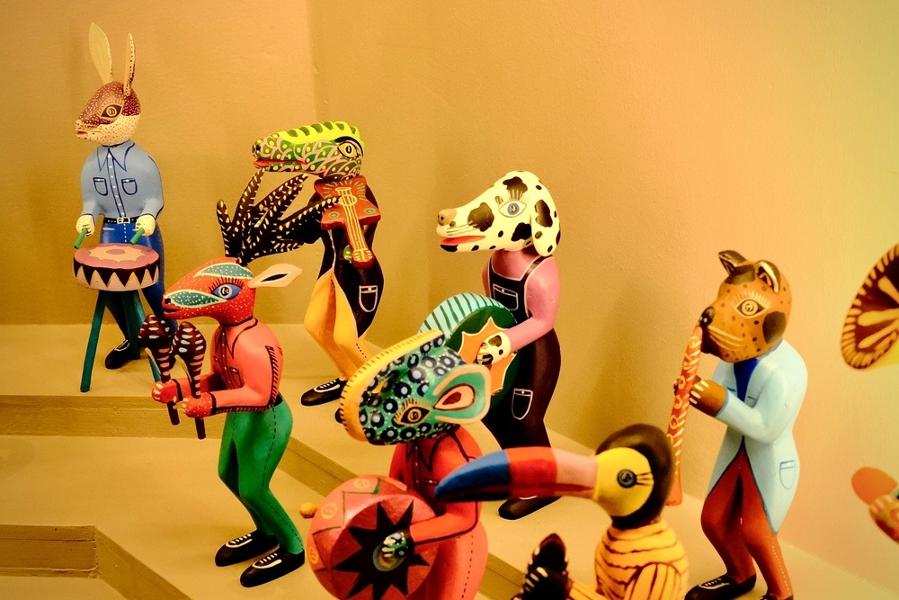
The alebrijes are hand-crafted papier-mâché figurines very popular in Mexique. They were created in the 1930s by artist Pedro Linares – who was struck by an illness that plunged him into deep sleep, filled with vivid dreams from which his whimsical characters emerged...
He passed away in 1992, but left behind a lasting legacy in Mexican culture. These figurines, often represented as colorful animals, blend imagination with traditional culture. You'll find them easily at market stalls and small shops (they typically cost between 5 and 70 €, depending on their size).
4. Traditional Mexican Clothing
Traditional garments continue to hold an important place in the daily lives of Mexicans. During your trip, why not purchase a typical outfit (or accessory) symbolizing local culture...
Guayaberas are traditional shirts for men, lightweight and often adorned with pleats and embroidery.
The huipil is a typical tunic from the Yucatán, decorated with embroidery, with motifs varying by region throughout Mexique.
The terno is a complete women's formal outfit, worn during special occasions or festive events. The terno, featuring vibrant and striking colors, can be worn during the summer season.
The rebozo is a hand-woven shawl. Both elegant and versatile, it serves as a fashion accessory or for carrying a child!
The sombrero, this famous Mexican hat with its wide brim, may be made of straw or felt, simple or decorated (for celebrations). Prices range from 10 to 150 €, depending on size and finishing quality. Somewhat difficult to wear in daily life, it's perfect as wall decoration instead.
Huaraches are traditional leather-woven sandals. Today, most have soles made from recycled tires. Some pairs, featuring delicate patterns, are true works of art!
5. Maya Totems
In ancient civilizations, "Maya totems" were sculptures that served as stelae for religious rites and commemorations. Once predominantly carved in stone, they represented gods or victories while affirming the identity of cities. Today, the totems sold in Mexique are wood sculptures inspired by this pre-Hispanic art.
Reproductions of the original statues are sold near major archaeological sites; as well as in major tourist areas, such as the beach resorts of the Riviera Maya or the beaches of the Yucatán (including Playa del Carmen). There are also "sports totems," representing primarily NFL (American football) or basketball teams and, occasionally, French soccer clubs.
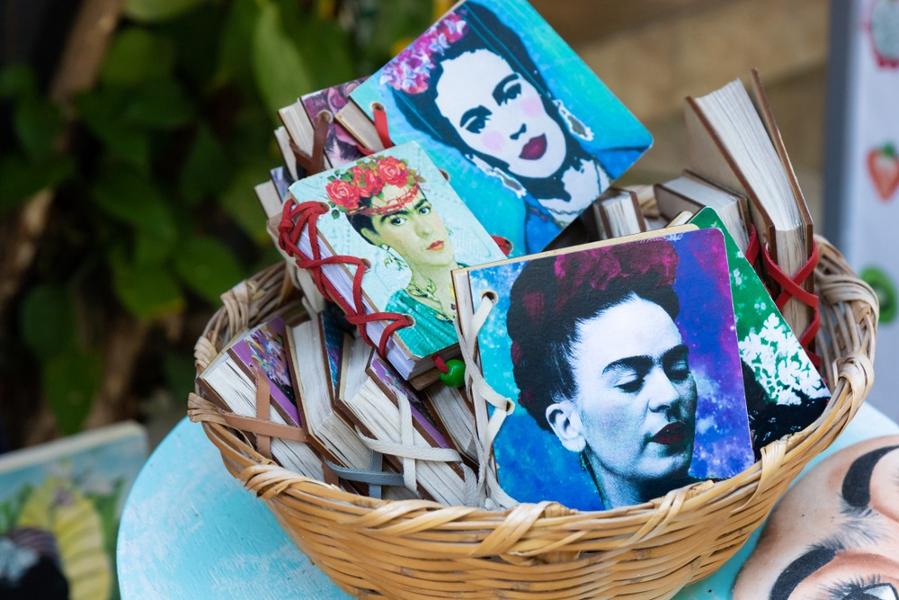
6. Objects Bearing Frida Kahlo's Image
Frida Kahlo is an emblematic Mexican figure, whose portrait with braided flowers belongs to popular culture. But before becoming a pop icon, this artist born in Coyoacán is above all a rebellious painter, whose overall body of work – sometimes surrealist, symbolic, or mexicanist (a twentieth-century Mexican identity movement, simultaneously cultural, political, and religious) – makes her a one-of-a-kind artist.
Wherever you go, you'll find objects bearing her image (or reproductions of her paintings) printed on various items, such as in the shop of the Museo Caza Azul – the artist's birthplace, transformed into an official museum.
7. A Hammock from the Yucatán
Hammocks are a typical specialty of the Yucatán, with weaving techniques passed down through generations. Why the Yucatán? Because it's a hot and humid region where hammocks allow for peaceful sleep, thanks to optimal air circulation.
In the peninsula, it's common to see them in gardens, but also inside homes! Hammocks were already used by ancient Mexican ancestors to prevent the risk of insect bites (and diseases) – by elevating themselves during sleep.
You'll find them in different colors and various mesh sizes. Their quality depends on materials, but also on the number of threads used.
8. Mexican Spirits (Tequila or Mezcal)
The tequila and mezcal are two emblematic spirits of Mexique. Derived from agave, these distilled spirits extend the journey...
To do this? Simply bring back a bottle of tequila with Protected Designation of Origin (PDO) – which guarantees at least 60% agave – to prepare a Tequila Sunrise or a typical Margarita. Mezcal, on the other hand, lends itself to more subtle cocktails, like the Mezcal Paloma, blending honey, grapefruit, and lime.
For quality spirits, prioritize distilleries (particularly those in the state of Oaxaca, quite well-regarded) or licorerías, the equivalent of wine shops, where you can enjoy tastings.
9. Local Coffee (Rare and Rarely Exported)
Mexique ranks among the world's top 10 coffee producers. Its three main production basins are located in:
Oaxaca (where beans are traditionally cultivated in the Pluma mountain region),
Veracruz (which produces a light-bodied arabica),
Chiapas (the country's leading producer with a smooth coffee grown at high altitude).
If you visit one of these states, take the opportunity to visit a plantation (fincas) and purchase local coffee you won't find anywhere else. Indeed, even though it's a major producer: Mexique exports very little coffee!
Often from small cooperatives, this high-quality arabica reveals subtle notes thanks to its production by the "wet method" – where beans are immersed in water, offering a less intense flavor than other coffees.
Our tip? Don't hesitate to also bring back a clay pot and some piloncillo (local sugar) to enjoy your coffee in pure Mexican tradition; the famous café de olla, flavored with cinnamon!
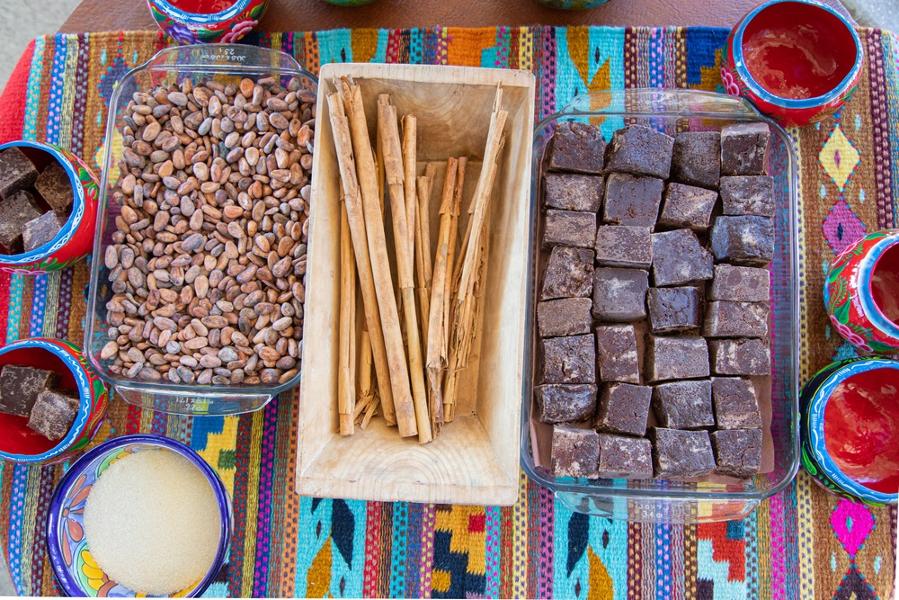
10. "Maya Chocolate"
Already consumed in pre-Columbian civilizations, "Maya chocolate" was far more than a sacred bitter beverage (xocoatl), but rather sacred cacao beans that were buried with the dead. These beans also held great monetary value and served as a medium of exchange!
Today, Mexique produces high-quality chocolate, often flavored with spices or chili. As a beverage, chocolate is whisked using a wooden whisk called a molinillo, which creates ultra-light foam on the surface of the drink… A perfect and delicious souvenir!
11. Traditional Musical Instruments
For authentic gifts, you can also bring back a traditional musical instrument. Choose maracas, a güiro, or an ocarina (some of which are true works of art, shaped like animals...); three small typical souvenirs and easy to pack! Ideal if you're running out of suitcase space.
Where to Shop for Souvenirs in Mexique? You'll find many artisanal items at markets and some archaeological sites, like Chichén Itzá. To avoid "tourist traps," prefer local markets over small shops in major city centers, where prices are significantly higher. Always plan to carry cash, as credit card payments are rarely accepted. |
Frequently Asked Questions
What jewelry should you bring back from Mexique?
In Taxco (nicknamed the "silver capital" because of its former deposits that brought wealth to the city), you'll find many pieces crafted with this precious metal (bracelets, earrings, rings, etc.). Beyond being of good quality, silver is worked by master silversmiths! Throughout Mexique, you'll also find chaquira pearl necklaces, typical of the craftsmanship of the Huichol people – whose ancestors made jewelry with beads, shells, and corals.
What can you bring back from Mexique on a plane?
When returning from Mexique to home, you can bring back up to 3 liters of alcohol, 100 cigarillos, 50 cigars, and 200g of smoking tobacco. Be careful, as with coffee, fresh tobacco is prohibited – being "fresh," both are considered plants whose repatriation is forbidden. If you exceed these limits, you risk a fine in Mexique (approximately 455 €) as well as complications at customs. It's also prohibited to bring back coral and shells.
Frequently asked questions
The most reputable markets for authentic Mexican crafts are the Mercado de Artesanías in Mexico City, the Mercado Benito Juárez in Oaxaca (ideal for black pottery and mezcal), and the main square markets (zócalo) in each city. Always prefer local markets over shops in tourist areas for fairer prices and more authentic products.
When returning from Mexique, you can bring back up to 3 liters of alcohol duty-free. Beyond that, customs duties apply. Favor tequilas or mezcals with Protected Designation of Origin (PDO) to guarantee their quality.
Yes, traditional alebrijes are entirely handcrafted and painted. Invented by Pedro Linares in the 1930s, they're made from papier-mâché (original version) or wood in the state of Oaxaca. To ensure you purchase a genuine artisanal alebrije, prefer family workshops or local artisan markets rather than tourist shops.
Yes, within certain limits. Chocolate, dried spices, roasted coffee beans, or ground coffee are generally permitted. However, fresh plants, fresh tobacco, coral, and shells are forbidden. Alcohol is limited to 3 liters. Check with your local customs before departure to avoid any problems on return.
Authentic Yucatán hammocks are found primarily in Mérida's markets, the peninsula's capital, notably at Mercado Lucas de Gálvez. You'll also find them in Izamal and surrounding villages. Quality depends on the number of threads used: the more there are, the more comfortable and durable the hammock. Budget between 20 and 150 € depending on size and finish.