Museo de Arquitectura Maya (Baluarte de la Soledad)
Housed in the Baluarte de la Soledad, this museum brings together Maya stelae and sculptures from the region within a 17th-century colonial bastion, at the heart of Campeche's UNESCO-listed historic center.
Housed in the Baluarte de la Soledad, one of the best-preserved bastions of Campeche's colonial ramparts, this museum assembles a collection of Maya stelae and sculptures from the region's archaeological sites. The alliance between 17th-century military architecture and pre-Hispanic remains makes it a coherent stop for understanding the two great epochs that shaped present-day Campeche.
Practical information at a glance
- Admission: paid (modest fee, managed by INAH)
- Recommended duration: 45 minutes to 1 hour
- Dress code: no particular restrictions
- Access: facing Parque Principal, historic center of Campeche, walkable from most central hotels
What to see
The museum displays Maya stelae mainly from the sites of Calakmul, Edzná and other areas of pre-Hispanic Campeche. The bas-reliefs depict sovereigns, calendar glyphs and ritual scenes. Some pieces are displayed in the open air within the bastion's courtyard, others inside the vaulted halls. The display remains understated, centered on the objects themselves.
History and context
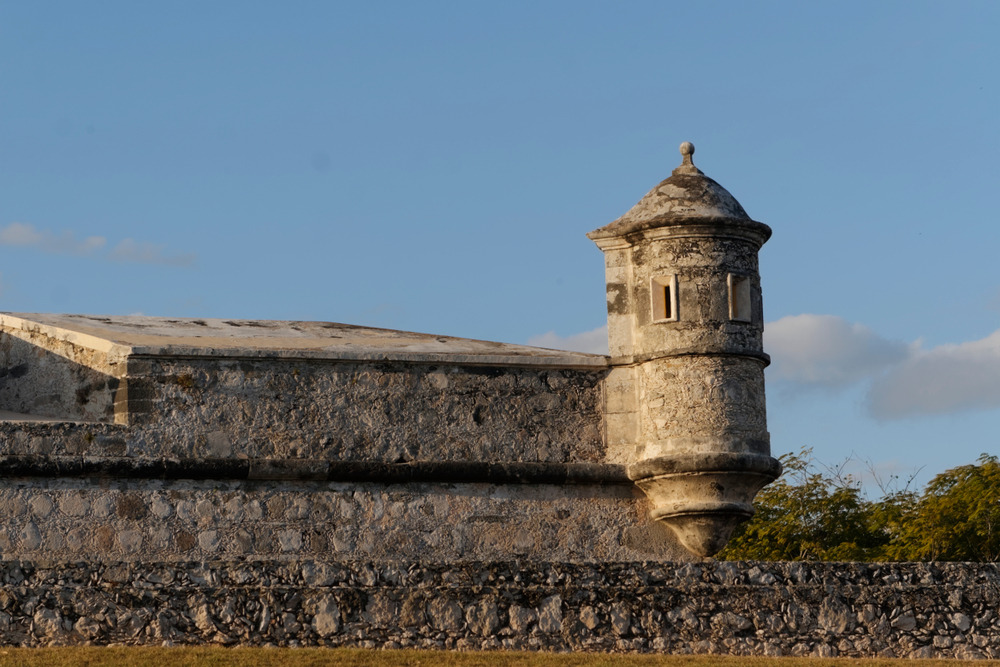
The Baluarte de la Soledad was built at the turn of the 18th century to defend the city against pirate attacks that regularly ravaged the port. Campeche is the only fortified city in Central America and Mexico to have preserved its enclosure virtually intact, earning it UNESCO World Heritage status in 1999. Converted into a museum, the bastion now houses collections that reach far back beyond the colonial period.
Highlights of the visit
The stelae of Calakmul
Calakmul was one of the most powerful Maya cities of the Classical period. The stelae displayed here offer a concrete glimpse into the royal iconography and commemorative practices of this civilization, without having to venture to the forest site itself.
The bastion itself
The thick walls, gun ports and terrace offer a direct reading of colonial defensive architecture. From the terrace, the view over Parque Principal and the colorful facades of the historic center is unobstructed.
The interior courtyard
Several sculptures are arranged in the open air within the courtyard. Natural light allows for good observation of relief details, especially in the morning.
Photography tips
Morning is the best time: light enters the courtyard without backlighting. For interior stelae, the halls are dimly lit — a high ISO setting or lightweight tripod can be useful. The bastion's terrace offers a clean framing of the central plaza in late afternoon.
Location and access
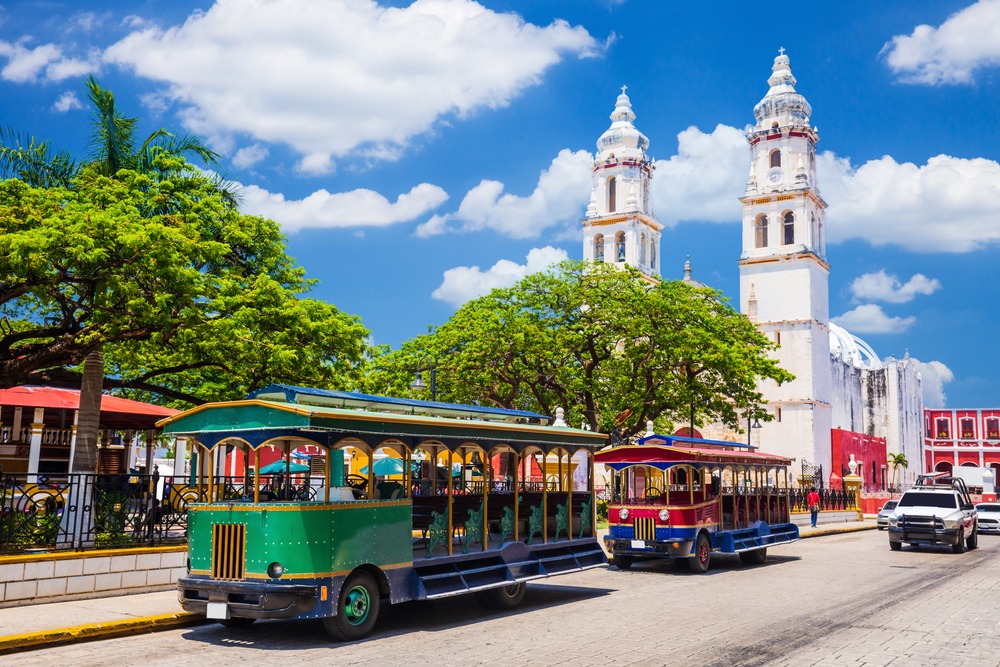
The museum stands facing Parque Principal (Plaza de la Independencia), in the heart of the UNESCO-listed historic center. The entire sector is walkable. Baluarte de Santiago, Museo del Fuerte de San Miguel and the cathedral are accessible within a few minutes on foot. No special transport is needed from central hotels.
Nearby
- Baluarte de Santiago — another bastion of the ramparts, houses a botanical garden.
- Cathedral of Campeche — colonial building overlooking the main plaza, just steps away.
- Museo del Fuerte de San Miguel — fort outside the center, more comprehensive Maya collection including funerary pieces from Calakmul.
- Edzná archaeological zone — Maya site approximately one hour from Campeche, day excursion.
Frequently asked questions
No, the museum can be visited without reservation. Admission is purchased directly on-site.
Allow 45 minutes to 1 hour to tour the interior halls, courtyard and the bastion's terrace.
Yes. Campeche's historic center is compact. Baluarte de Santiago and the cathedral are a few minutes' walk away. Museo del Fuerte de San Miguel, further afield, can round out the day.
Personal photography is generally permitted in INAH museums without flash or professional tripods. Check signage on-site, as rules may evolve.
The visit is brief and the imposing sculptures capture attention. The bastion's terrace usually appeals to children. The museum display is primarily in Spanish.
Interested in this visit?
We can include it in your personalised itinerary.