Loreto Marine National Park
Loreto Marine National Park
Five islands, 206,000 hectares of sea and one of the world's richest marine biodiversity hotspots: Loreto Marine National Park, in the heart of the Gulf of California, is the must-visit destination in Baja California for diving and sea kayaking.
Off the coast of Loreto on the eastern shore of Baja California, Loreto Marine National Park protects an archipelago of five main islands in the Gulf of California. Designated a UNESCO World Heritage Site as part of the "Serengeti of the Seas," this park is home to exceptional marine biodiversity: cetaceans, manta rays, sea lions and hundreds of fish species. It ranks among Mexico's most renowned diving and sea kayaking destinations.
Practical information at a glance
- Access: boat departures from Loreto port or Puerto Escondido, approximately 25 km south.
- Entry fees: a conservation tax is charged to enter the park (amount to be confirmed with local operators).
- Recommended duration: a full day for a boat excursion; several days for multi-day kayaking.
- What to wear: swimsuit, biodegradable sunscreen mandatory in water, hat, water shoes recommended.
- Rules: regulated fishing, no anchoring on coral zones, landing on certain islands requires authorization.
- Best time to visit: October to May for calm seas; July–August for blue whales and manta rays.
What you'll see
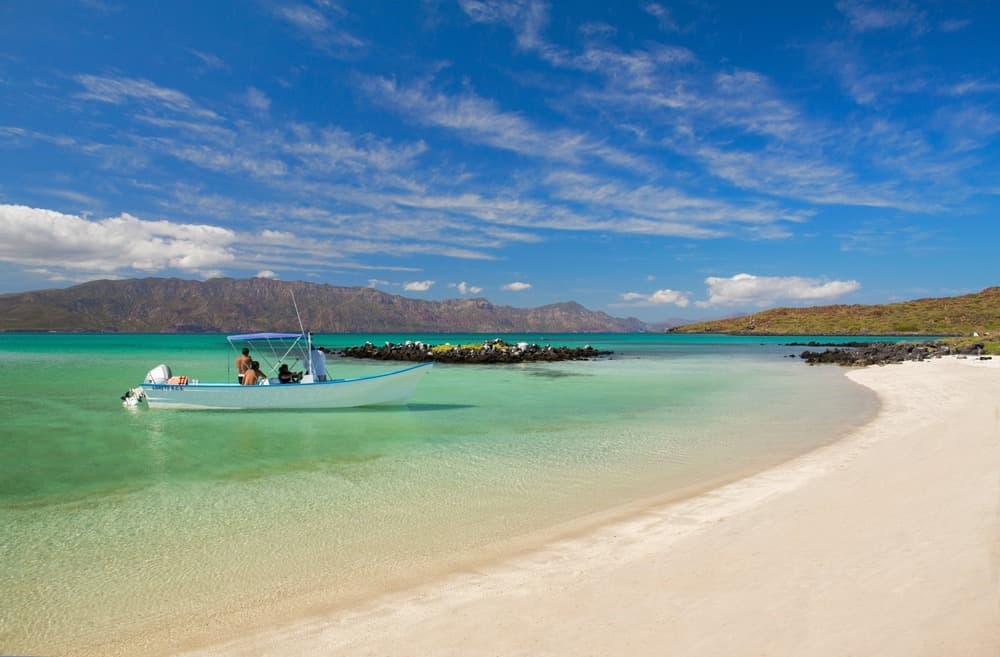
The park covers approximately 206,000 hectares of sea and encompasses Carmen, Danzante, Monserrat, Santa Catalina and Coronado islands. The seabed alternates between rocky reefs, seagrass beds and drop-offs. Above water, the ochre cliffs of the islands contrast sharply with the turquoise waters of the gulf. California sea lion colonies on Coronado Island are accessible by swimming or kayak.
History and context
The Gulf of California, nicknamed the "world's aquarium" by Jacques-Yves Cousteau, is one of the planet's richest marine ecosystems. The marine national park was created in 1996 to protect this environment from overfishing and coastal development. In 2005, the Gulf of California and its islands were inscribed as a UNESCO World Heritage Site.
Highlights of your visit
Diving and snorkeling around Carmen Island
Carmen Island offers a variety of diving sites: vertical walls, underwater caves and schools of tropical fish. Visibility is often excellent between November and May. Certified operators in Loreto offer boat trips with equipment provided.
Swimming with sea lions at Coronado
Coronado Island is home to a permanent colony of California sea lions. While snorkeling, you may observe these curious animals just metres away. Local guides ensure regulatory distances are maintained.
Sea kayaking expeditions
Multi-day sea kayaking between the islands is a well-established activity. Campsites on remote beaches allow you to spend several nights within the park. Island-to-island crossings require good fitness and favorable weather conditions.
Cetacean watching
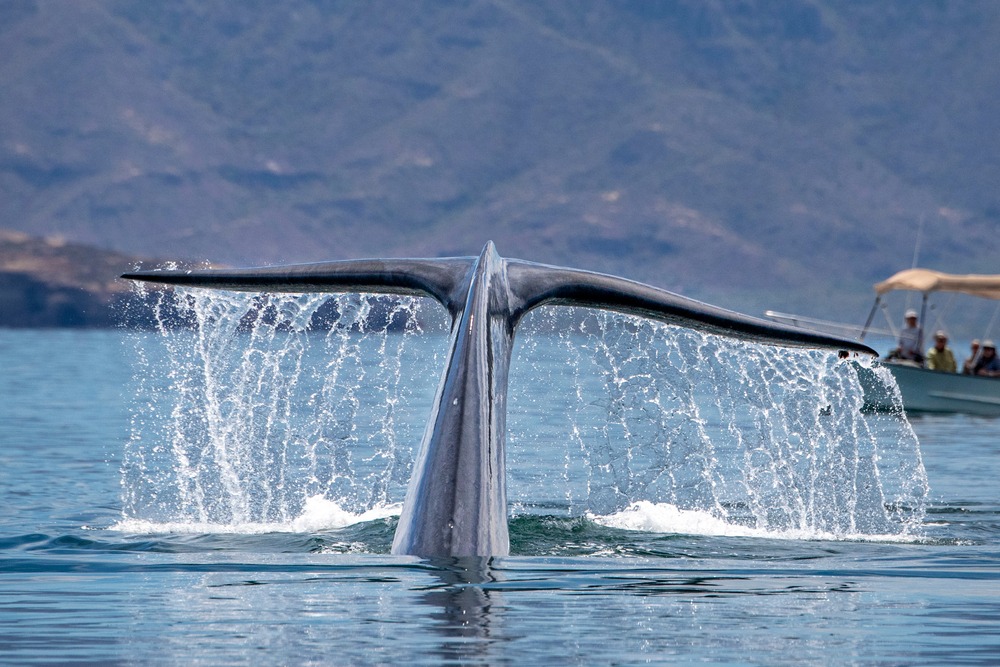
The Gulf of California is one of the few places on earth where blue whales frequent coastal waters. Dedicated viewing trips depart from Loreto, mainly between January and March. Dolphins and humpback whales are also present depending on the season.
Photography tips
Morning light, before 10 a.m., is ideal for photographing the island cliffs with water reflections. Underwater, a waterproof camera or housing is essential. For sea lions, a standard zoom lens works well—they often approach of their own accord. Avoid using flash when diving near corals.
Location and access
Loreto lies approximately 350 km north of La Paz on Federal Highway 1. Loreto International Airport (LTO) receives direct flights from several U.S. and Mexican cities. From downtown, the marina is within walking distance. Diving agencies and boat tour operators are concentrated along Loreto's Malecón.
Nearby attractions
- Loreto Mission — Baja California's oldest mission, founded in 1697, a short walk from the port.
- Puerto Escondido — protected natural marina south of Loreto, an alternative departure point for park excursions.
- Sierra de la Giganta — arid mountain range overlooking Loreto, with 4x4 trails and prehistoric rock paintings.
Frequently asked questions
From October to May, the sea is calm and underwater visibility is optimal. July and August allow you to observe giant manta rays and sometimes blue whales, but heat and winds can complicate navigation.
No. Snorkeling is accessible to all levels and already offers the chance to observe sea lions, tropical fish and rays. Scuba diving requires certification, but introductory dives are offered by local centers.
Certain island beaches permit camping, particularly as part of multi-day kayaking expeditions. Park authorization is required and strict leave-no-trace principles apply.
Only biodegradable sunscreen (free of oxybenzone and octinoxate) is permitted in the water. This rule protects coral and is enforced by park guides and rangers.
The mission can be visited in less than an hour and is within walking distance of the port. It's easy to explore it in the morning before boarding an afternoon boat tour, or vice versa.
Yes, snorkeling and sea lion viewing trips are suitable for children from ages 6–8 depending on the operator. Check age and minimum size requirements with your chosen agency.
Interested in this visit?
We can include it in your personalised itinerary.