Mérida
Mérida
Capital of Yucatán, Mérida blends Spanish colonial architecture, living Maya culture and distinctive regional gastronomy. An ideal starting point for Chichén Itzá, Uxmal and the cenotes of the peninsula.
Mérida is the capital of Yucatán State in southeastern Mexique. Founded in 1542 on the ruins of the Maya city of T'ho, it weaves together Spanish colonial architecture, living Maya culture and renowned regional gastronomy. Nicknamed the "White City" for its limestone facades, it serves as an ideal base for exploring the Maya archaeological sites of Yucatán and the Gulf of Mexique coast.
Quick Facts at a Glance
- Access: Manuel Crescencio Rejón International Airport (MID), a few kilometers from downtown.
- Urban Transport: City buses, taxis and ride-sharing services (Uber available). The historic center is walkable.
- Recommended Duration: 2 to 3 days for the center; 4 to 5 days to combine Maya sites and coast.
- Attire: Light clothing year-round; cover shoulders and knees for churches.
- Accessibility: Paseo de Montejo and Plaza Grande are generally accessible; cobblestone streets in the center may be challenging.
- Language: Spanish; Yucatecan Maya is still spoken in surrounding villages.
What to See
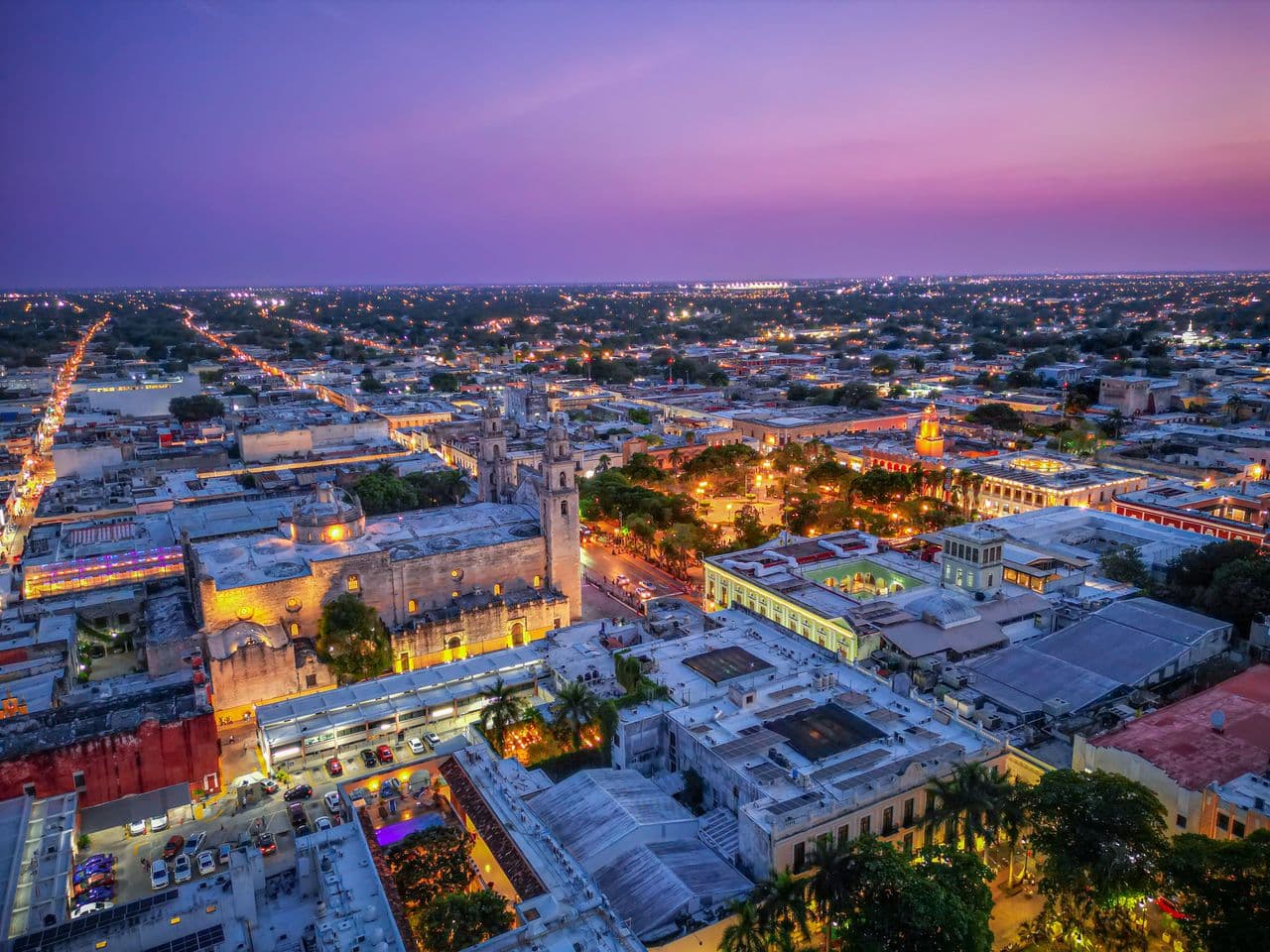
Mérida's heart revolves around the Plaza Grande, surrounded by the San Ildefonso Cathedral (one of the oldest on the American continent), the Municipal Palace and the Palace of Government, whose murals by Fernando Castro Pacheco tell the story of Yucatán. The Paseo de Montejo, a broad avenue lined with neoclassical mansions from the 19th century, testifies to the prosperity of the henequén era.
History and Context
Spanish conquistadors founded Mérida in 1542, reusing the stones of the Maya temples of T'ho. The city quickly became the administrative center of the peninsula. In the 19th century, the exploitation of henequén (sisal agave) enriched a local oligarchy that built the grand mansions along Paseo de Montejo. Today, Mérida is one of the safest and most dynamic cities in Mexique.
Highlights of Your Visit
Plaza Grande and San Ildefonso Cathedral
The cathedral, constructed between 1561 and 1598, houses the Cristo de las Ampollas, a sculpted wooden crucifix venerated by locals. The plaza itself comes alive each evening: free concerts, markets and strollers make it an authentic gathering place.
Paseo de Montejo
This two-kilometer avenue concentrates the finest mansions of the henequén aristocracy. The Museo Casa Montejo, a former residence of conquistadors, displays remarkable plateresque facades. The Museo Regional de Antropología (Palacio Cantón) showcases first-rate Maya pieces.
Markets and Yucatecan Gastronomy
The Mercado Lucas de Gálvez is the central market where locals shop. Yucatecan cuisine—cochinita pibil, sopa de lima, panuchos, queso relleno—stands distinctly apart from standard Mexican cuisine through its Maya, Spanish and Lebanese influences.
Cenotes and nearby Maya sites
Mérida is the natural starting point for Chichén Itzá, Uxmal and the region's cenotes. Most local agencies offer day excursions.
Etiquette and Visiting Rules
- In churches, cover shoulders and knees; avoid visits during services.
- Always ask permission before photographing people, particularly in markets.
- On Sundays, Paseo de Montejo is closed to traffic: ideal for strolling or biking.
Photo Tips
Golden morning light (before 9 a.m.) is ideal for photographing the cathedral and Plaza Grande before crowds arrive. Paseo de Montejo offers beautiful perspectives in late afternoon. The colorful facades on Santa Ana and Santa Lucia streets are photogenic at any hour.
Location and Access
Mérida sits in the northwest of the Yucatán Peninsula. The international airport is connected to major Mexican cities and several American destinations. By bus, the CAME station serves Cancún, Campeche and Mexico City. The historic center is compact and walkable. ADO buses regularly connect Mérida to Chichén Itzá and Campeche.
Nearby
- Chichén Itzá — Mexique's most visited Maya site, approximately two hours' drive east.
- Uxmal — Maya city of the Puuc Route, renowned for architectural refinement, approximately one hour south.
- Campeche — Fortified colonial city listed as a UNESCO World Heritage site, approximately two hours southwest.
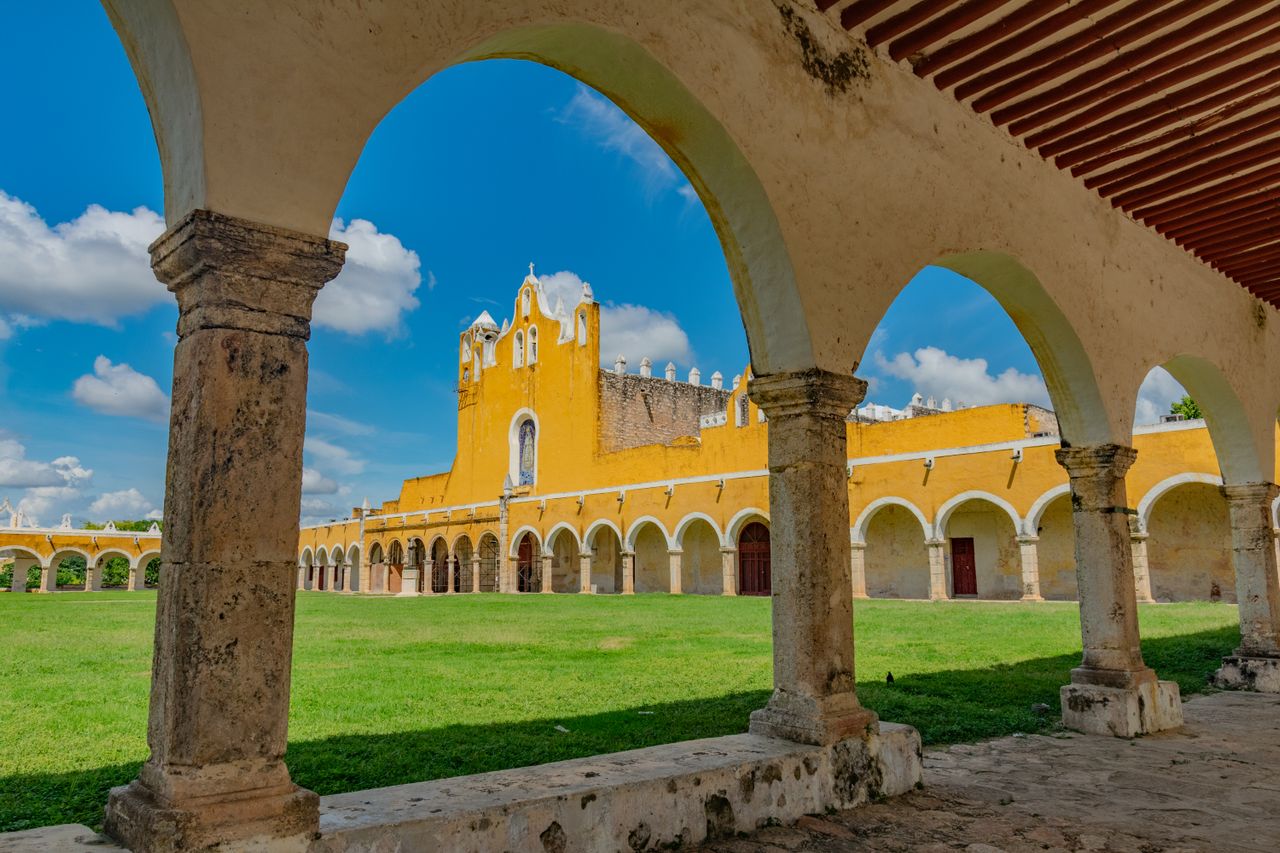
- Izamal — The "Yellow City," colonial settlement built atop Maya pyramids, approximately one hour east.
- Celestún — Biosphere reserve and pink flamingos on the Gulf coast, approximately one and a half hours west.
Frequently asked questions
From November to April, the heat is more manageable and rain is rare. Summer (May-October) is hot and humid, with a risk of hurricanes in September-October. Mérida's Carnival, in February, is one of the most lively in Mexique.
Yes. ADO buses and numerous organized excursions allow for same-day round trips. Departing early in the morning lets you arrive before tour groups from Cancún.
Mérida is regularly ranked among Mexique's safest cities. Standard precautions apply: avoid displaying valuables and stay alert in quiet areas at night.
A car offers greater flexibility for the Puuc Route and remote cenotes. For Chichén Itzá and Uxmal, buses and organized excursions suffice. Mérida's center requires no vehicle.
Cochinita pibil (marinated pork cooked in banana leaves), sopa de lima, panuchos and papadzules are the essential Yucatecan classics. Markets and central restaurants offer them at all hours.
Every Sunday, Paseo de Montejo closes to cars and hosts free concerts and activities. Thursday evenings, the Serenata Yucateca at Plaza Santa Lucia offers traditional music and dance. Admission is free.
Want to discover this destination?
Our local advisors design your tailor-made trip.