Yucatán and the Caribbean
A limestone peninsula riddled with cenotes, three major Maya sites, colonial Mérida and 130 km of Caribbean coastline on the Mesoamerican coral reef.
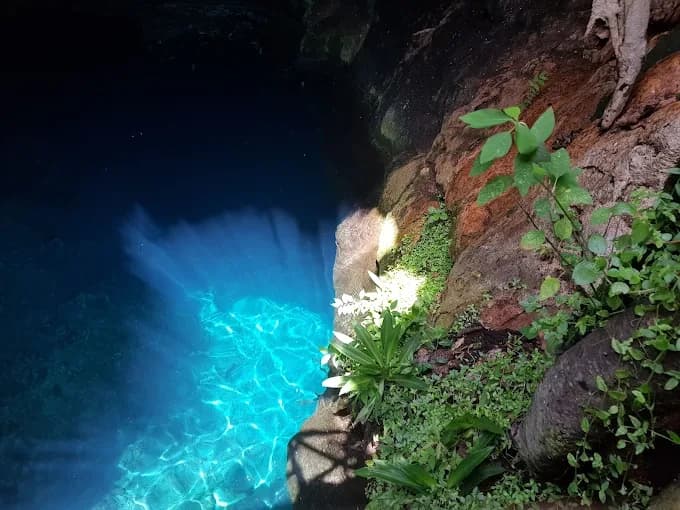
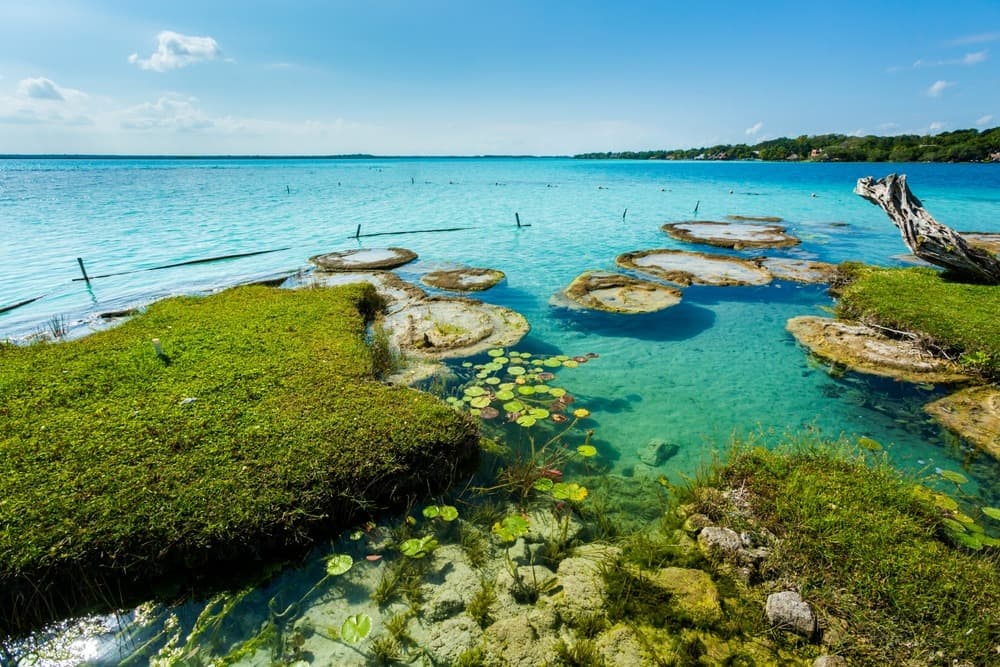
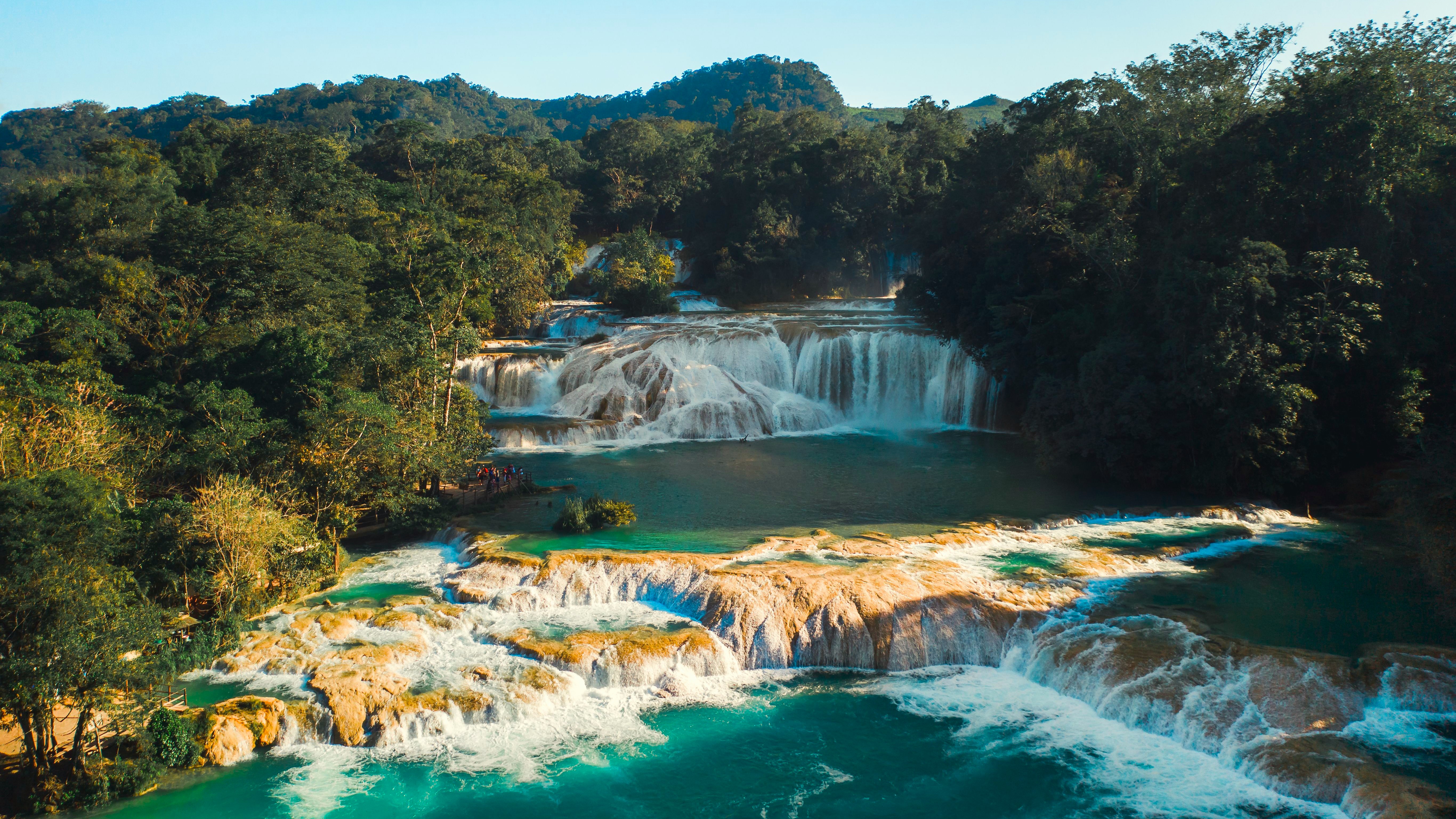
The Yucatán Peninsula forms a limestone platform set upon the sea, without relief or surface rivers. Rainwater seeps into the rock and circulates through a network of submerged underground galleries—the world's largest—punctuated by cenotes. These natural sinkholes, thousands of which have been documented between Valladolid, Homún and the Caribbean coast, structured Maya settlements long before the Conquest: people settled where water emerged naturally. For the Maya, cenotes marked the entrance to Xibalbá, the underworld.
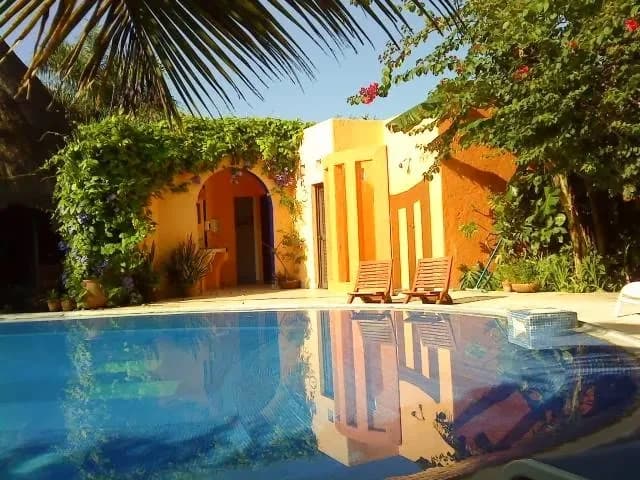
Mérida, capital of Yucatán State, maintains the unhurried rhythm of a provincial colonial city. Low houses painted in ochre, indigo blue or celadon green line the Paseo de Montejo, an avenue laid out in the late 19th century by the great families of the henequén industry—the sisal that enriched the region before prices collapsed in the 1940s. The Lucas de Gálvez market concentrates Yucatecan cuisine: cochinita pibil slow-cooked in earth, panuchos stuffed with black beans, sopa de lima, papadzules in squash sauce. Yucatecan Maya remains spoken by some 800,000 people, in villages and in certain shops throughout Mérida.
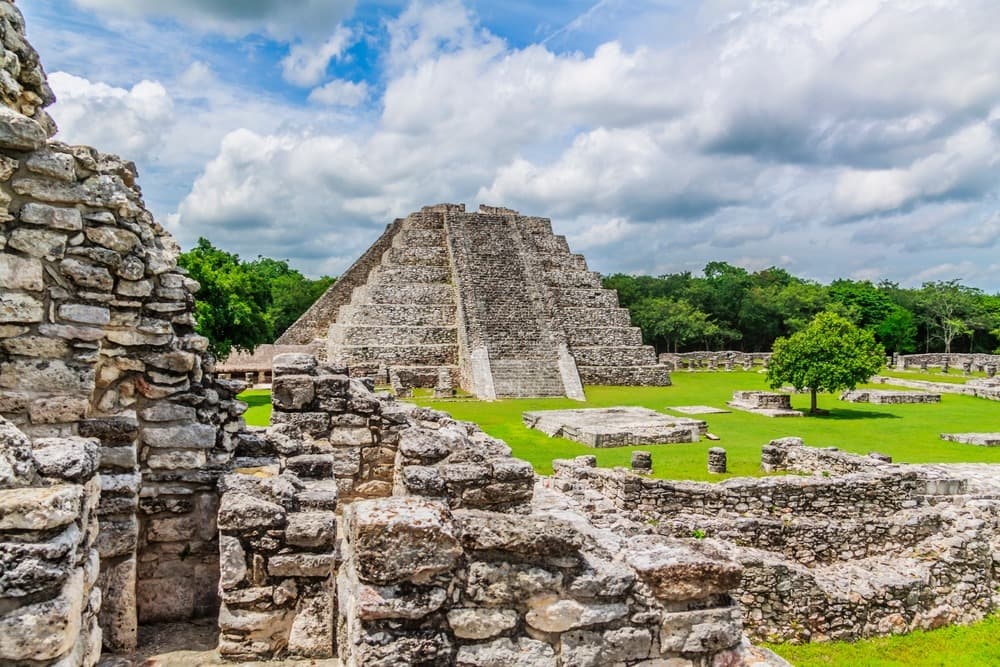
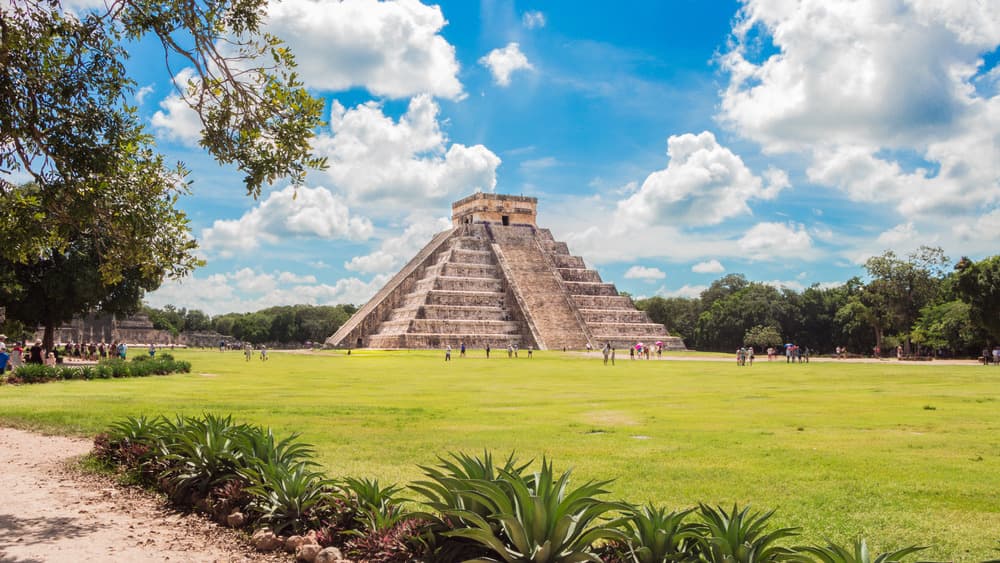
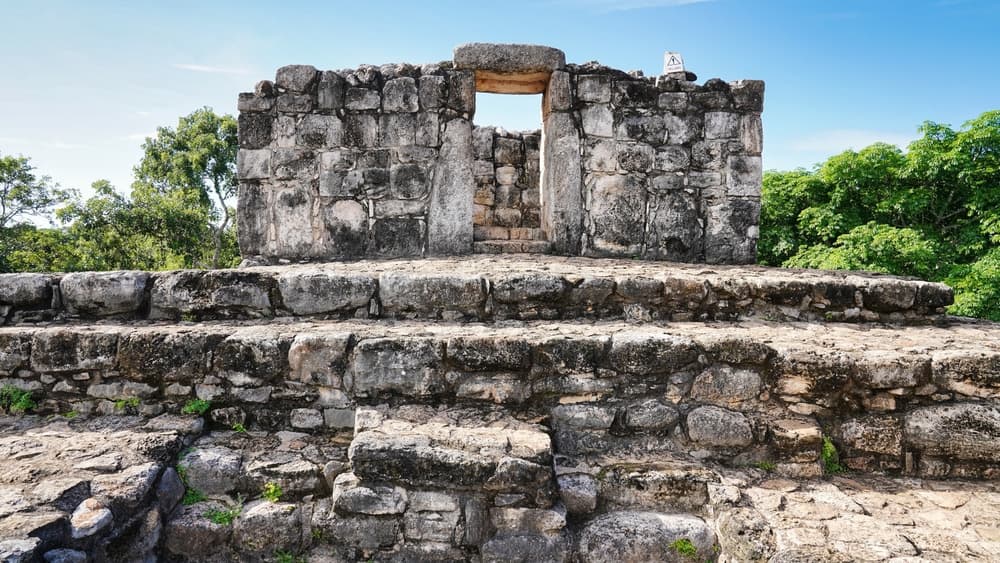
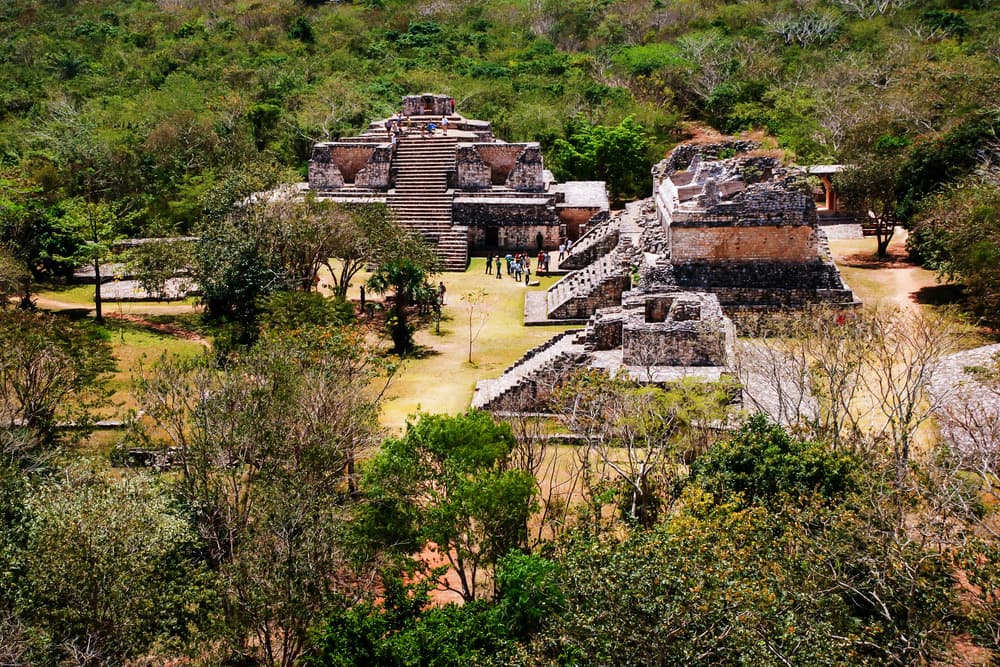
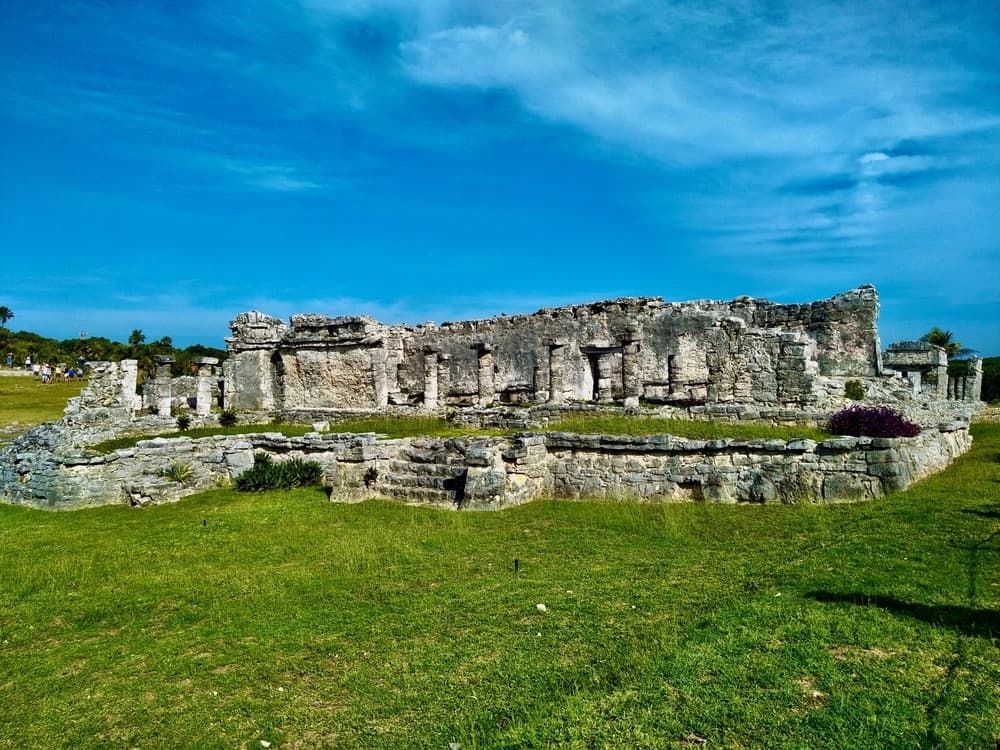
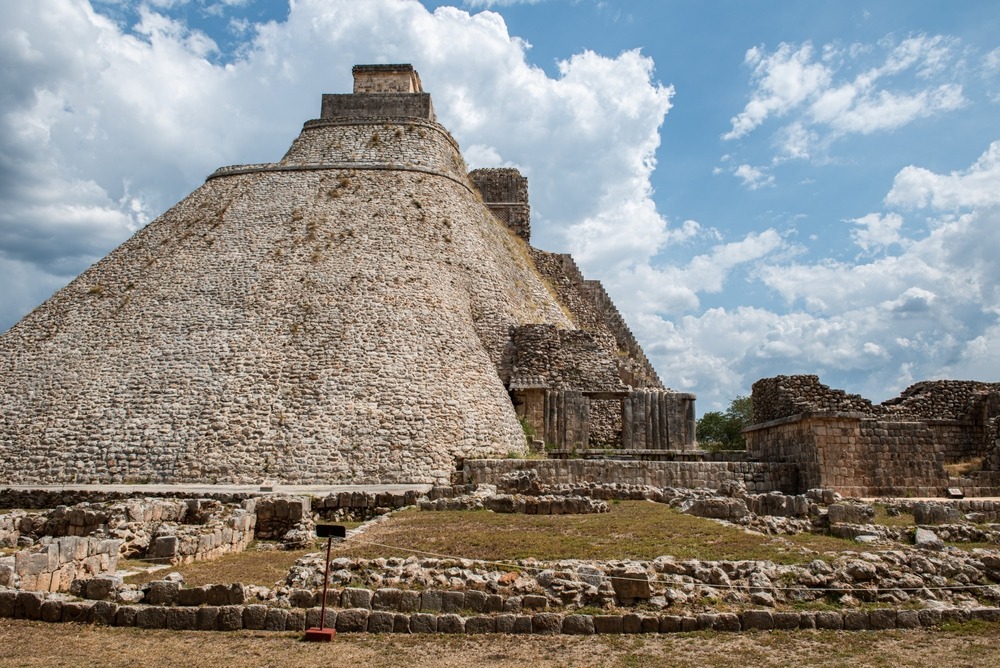
Inland, three major archaeological sites punctuate the peninsula. Chichén Itzá, a UNESCO World Heritage Site, features the pyramid of Kukulcán and a 168-meter-long ball court. Uxmal, further south on the Puuc route, stands out for its façade of mosaic stonework on the Nunnery Quadrangle. Ek Balam, a half-hour from Valladolid, preserves a stucco frieze depicting winged figures in exceptionally good condition. These sites complement one another: Chichén Itzá for monumentality, Uxmal for architectural refinement, Ek Balam for preservation.
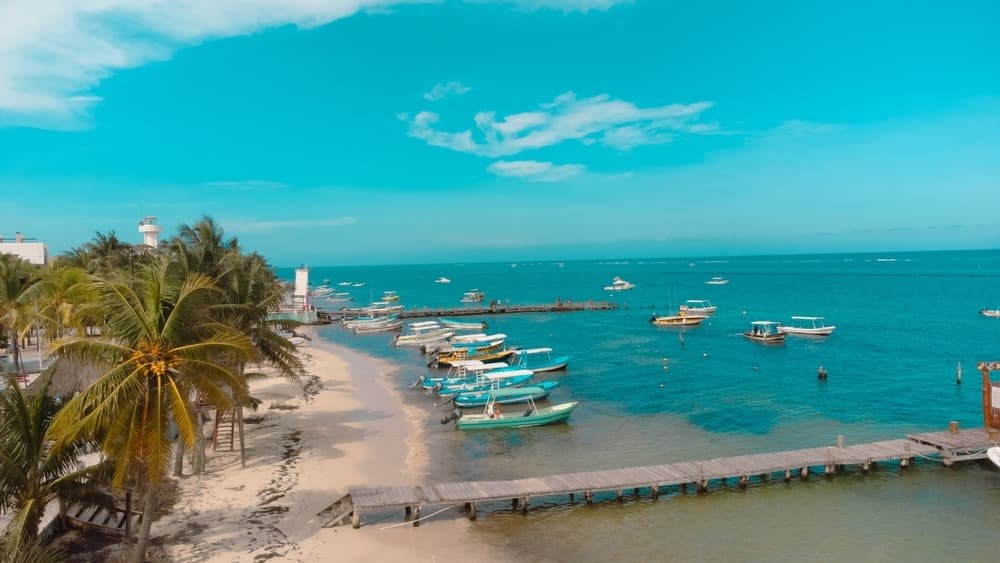
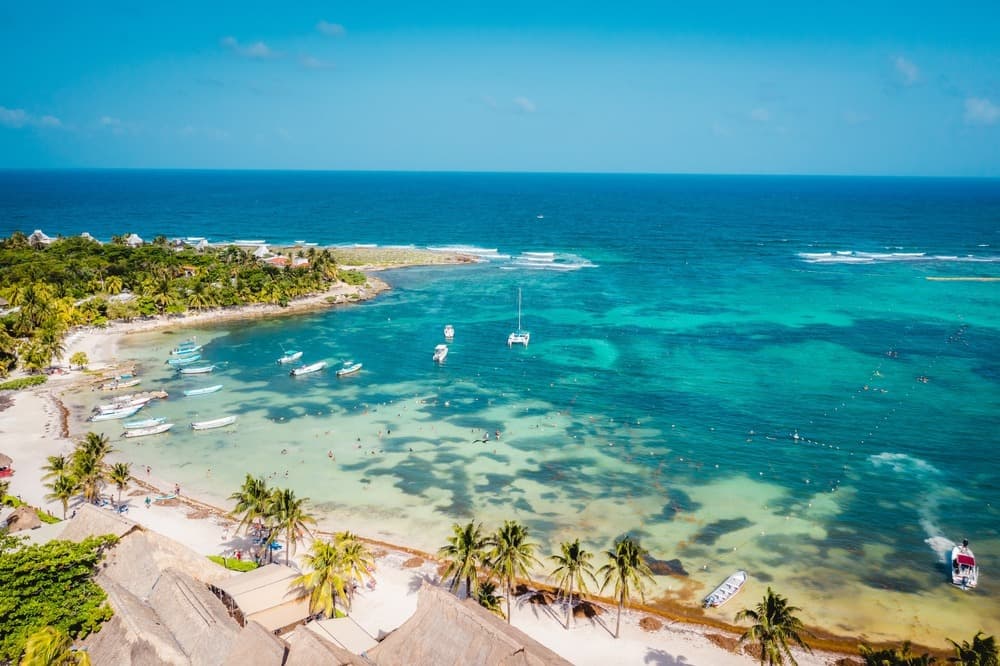
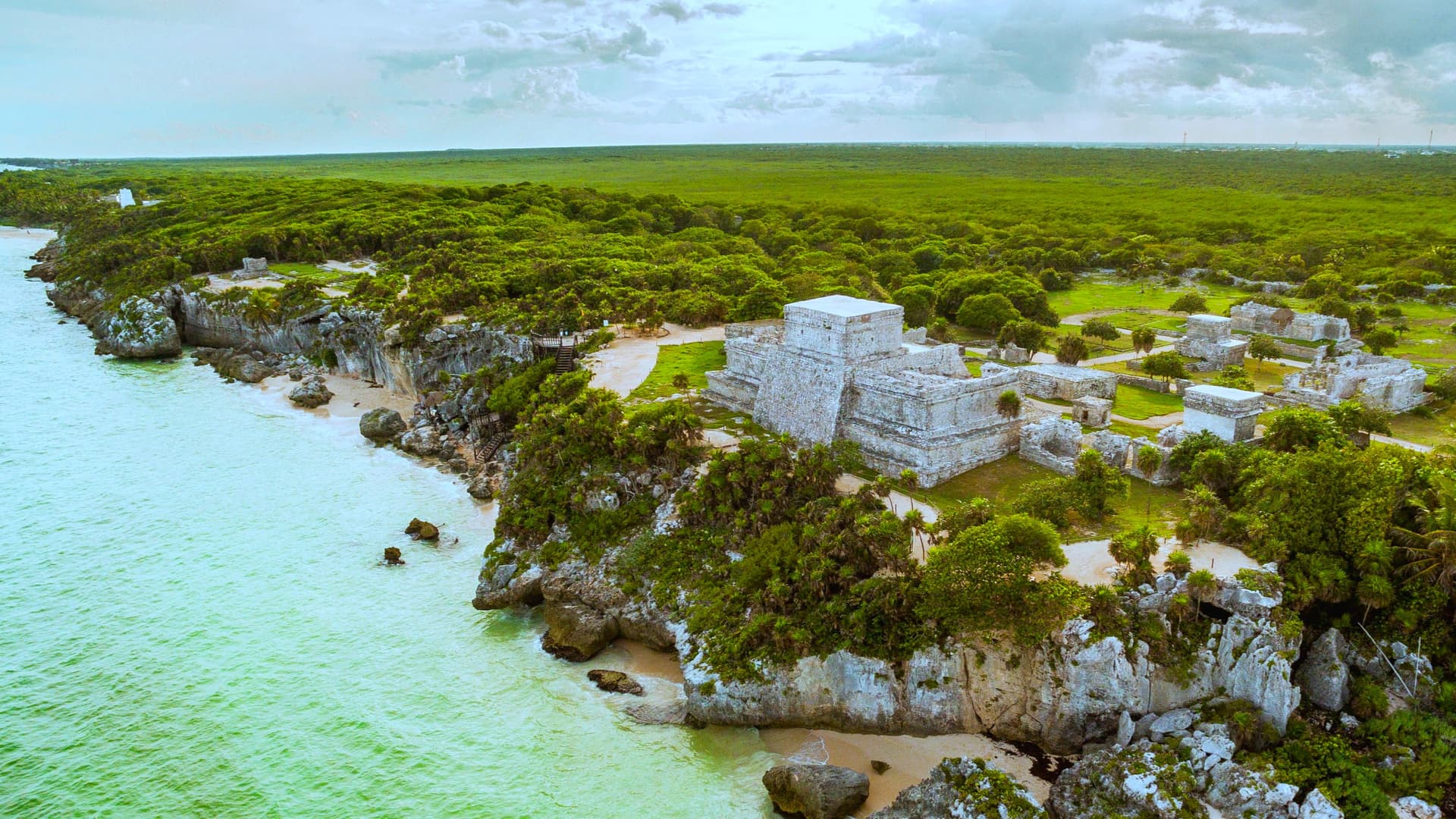
On the Caribbean side, Quintana Roo State stretches the Riviera Maya along 130 kilometers, from Puerto Morelos to Tulum. The Mesoamerican Barrier Reef, the world's second longest after Australia's, runs parallel to the coast. Cozumel, 19 kilometers offshore from Playa del Carmen, remains one of the most frequented dive sites in the Caribbean for its wall drops and water clarity. Further north, Holbox Island separates the Gulf of Mexico from the Caribbean Sea, with shallow beaches and seasonal whale shark sightings between June and September.
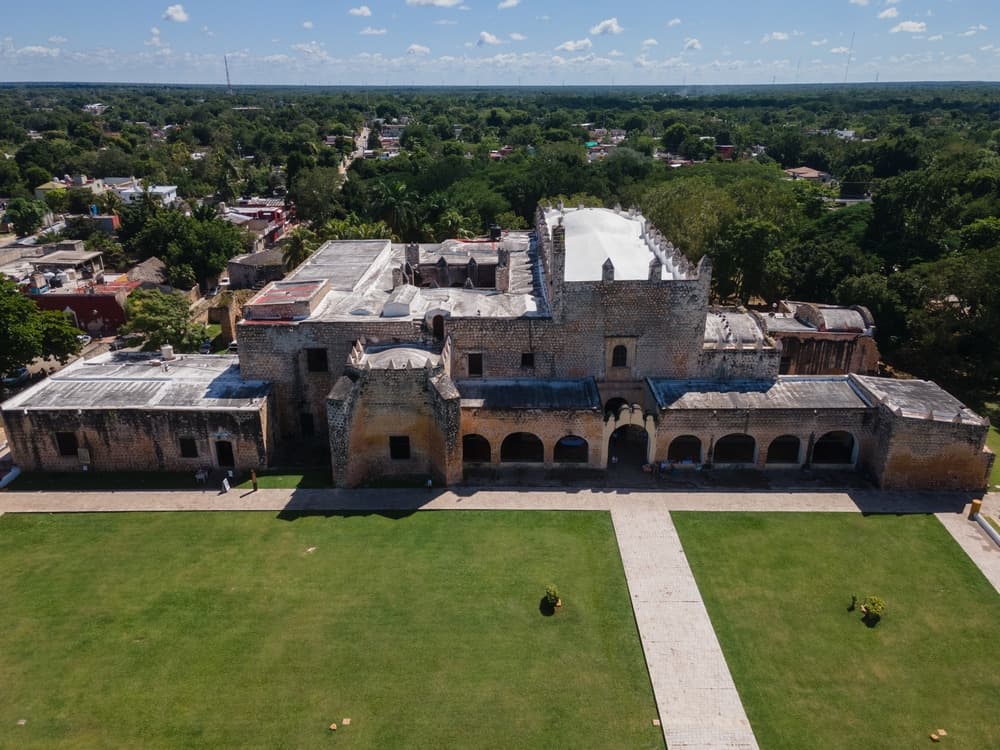
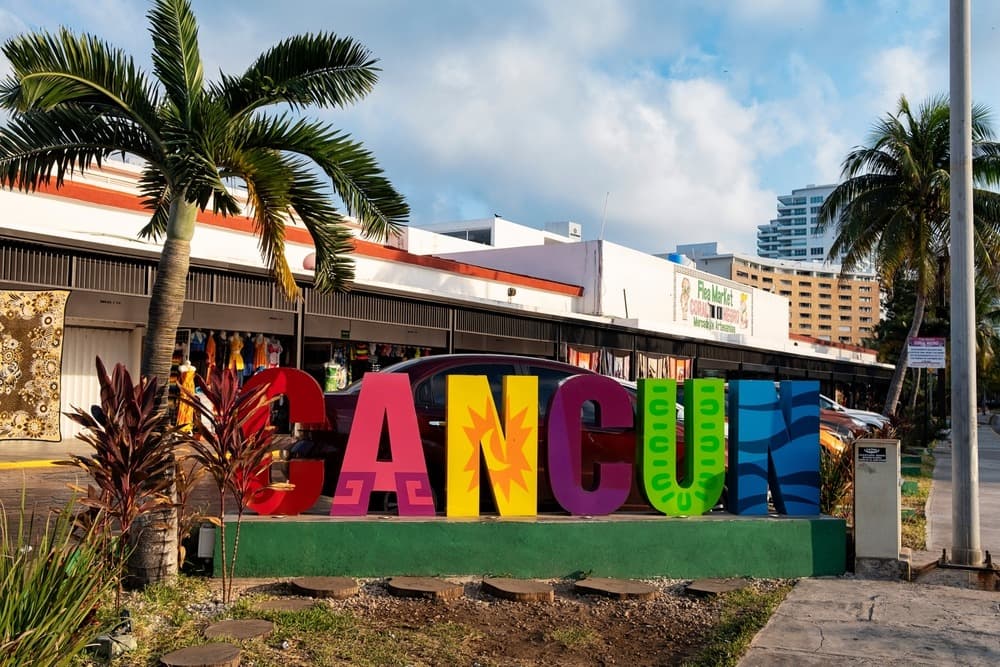
The coast experiences heavy tourism pressure around Cancún and Playa del Carmen, far more modest once you leave Highway 307. Tulum, a former fishing village turned upscale resort hub, exemplifies this transformation. Inland, the pueblos mágicos such as Izamal (the yellow city), Valladolid and Maní maintain daily life where tourism remains a supplement to agriculture, beekeeping (melipone honey from stingless bees is a Maya specialty) and local commerce. The presence of sargassum—brown algae washing ashore in waves along the Caribbean coast since 2015—is now a parameter to factor in: arrivals vary greatly from beach to beach and week to week, especially between May and October.
Must-See
Cenote diving near Tulum. Scuba or snorkel exploration in Dos Ojos or Gran Cenote, freshwater at 24°C, visibility exceeding 30 meters in limestone galleries lit by natural sinkholes.
Puuc Route and Maya villages. Full-day loop from Mérida via Uxmal, Kabah, Sayil and Labná, in an off-the-beaten-path region of low hills, followed by a stop in Santa Elena for wood-fired cooking.
Holbox outside peak season. 25-minute ferry crossing from Chiquilá, transportation by electric golf cart, pink flamingo lagoon on the western side, whale shark observation between June and September, 1.5 hours by boat offshore.
Mérida and Sunday in the city center. Traffic closure around Plaza Grande, concerts of trova and Yucatecan jarana music, craft market on Paseo de Montejo, more bearable temperatures from 5 p.m. onward.
Río Lagartos and Las Coloradas. Biosphere reserve on the northern coast, boat excursion through the mangrove for pink flamingos (peak concentration April to September), nearby salt evaporation basins with rosy hues in the village.
When to Go
The peninsula experiences hot tropical climate year-round, with daytime temperatures ranging from 26 to 32°C and high humidity. The best period runs from December to April: more comfortable temperatures (24 to 30°C), low rainfall, calm seas at Cozumel and optimal visibility for diving. December to February may bring nortes episodes—northern winds that cool the air for 2 to 4 days and stir up seas on the Gulf side.
From May to October, heat rises (32 to 35°C feeling much higher with humidity) and the rainy season sets in: afternoon thundershowers, brief but intense, especially in June, September and October. Cyclone risk is real between August and October, peaking in September. May and November offer good compromises, with fewer crowds at archaeological sites and more modest rates. Sargassum mostly affects the Caribbean coast between May and October, without impacting the northern coast (Holbox, Río Lagartos) or inland cenotes.
Practical Advice
We recommend a minimum of 10 days to combine the Maya interior and Caribbean coast without rushing. A typical itinerary links Mérida (3 nights, base for Uxmal and the Puuc Route), Valladolid or Izamal (2 nights, base for Chichén Itzá, Ek Balam and cenotes), then the Caribbean coast (4 to 5 nights in Tulum, Bacalar or along the Sian Ka'an coast). Distances are reasonable: Mérida to Cancún takes 3.5 hours by toll highway, Mérida to Tulum takes 4 hours. Two international airports structure the region—Cancún (excellent connections to Europe) and Mérida (useful for entering or exiting from the west).
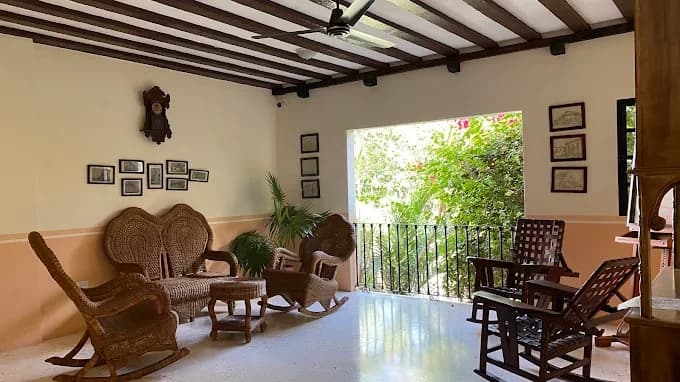
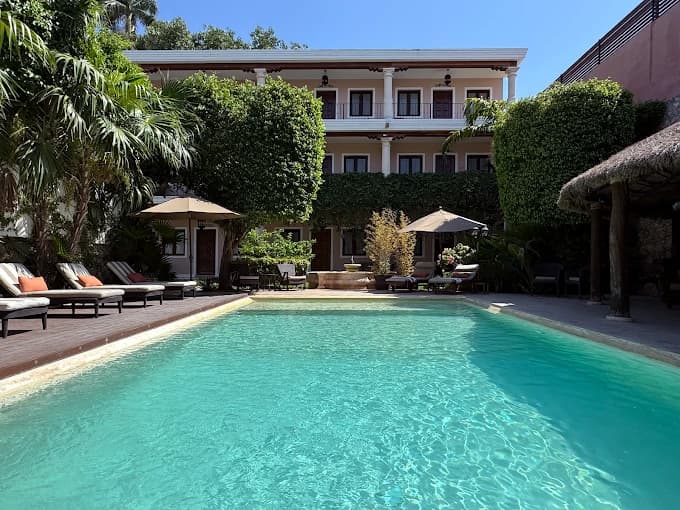
The region logically combines with Chiapas, accessible by domestic flight from Mérida or Cancún to Tuxtla Gutiérrez or Villahermosa, to extend the Maya itinerary with Palenque, San Cristóbal and Tzotzil communities. A combination with the colonial heartland (Mexico City, Puebla, Oaxaca) requires a domestic flight. Hotel comfort is high across the entire peninsula, from restored haciendas inland to ecolodges on the coast. This region suits families equally well (cenotes, beaches, accessible archaeological sites), divers, archaeology enthusiasts and travelers seeking a first encounter with the contemporary Maya world.