Museo de las Culturas de Oaxaca
Museo de las Culturas de Oaxaca
Housed in the former Dominican convent of Santo Domingo, the Museo de las Culturas de Oaxaca showcases the famous treasure from Monte Albán's Tomb 7 and traces two millennia of Zapotec and Mixtec civilizations.
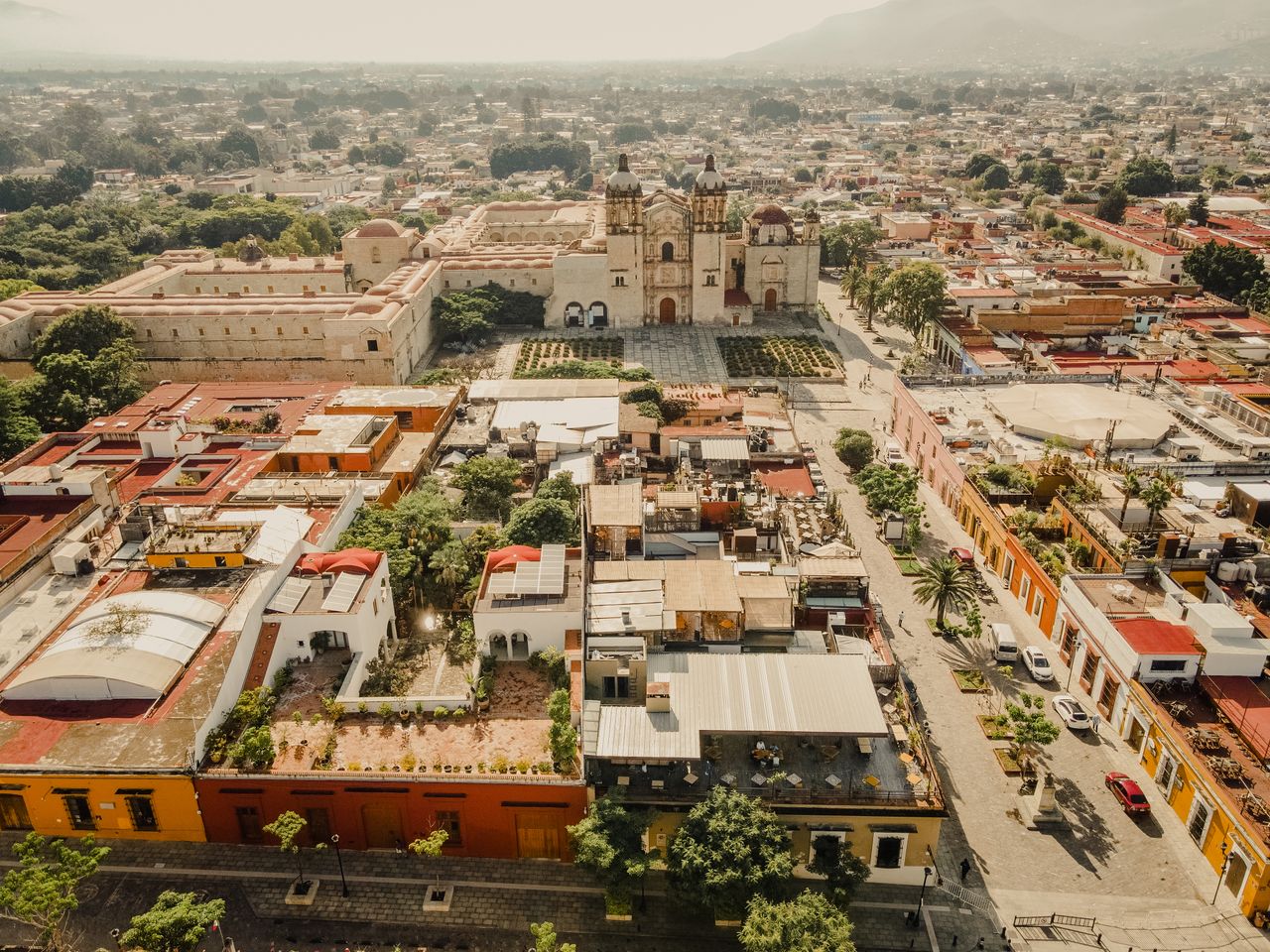
Housed in the former Dominican convent of Santo Domingo in the heart of Oaxaca de Juárez, the Museo de las Culturas de Oaxaca traces the region's history from the first human settlements to the present day. Its most celebrated treasure — the funerary furnishings from Tomb 7 at Monte Albán — makes it one of Mexique's most important archaeological collections.
Quick reference
- Admission: paid entry (general and reduced rates available; free on Sundays for Mexique nationals)
- Recommended duration: 1.5 to 2 hours to explore all galleries
- Access: located on the Andador Macedonio Alcalá, Oaxaca's main pedestrian thoroughfare, a few minutes' walk from the Zócalo
- Dress code: no particular dress restrictions
- Photography: permitted without flash in most galleries; check restrictions room by room
What you'll see
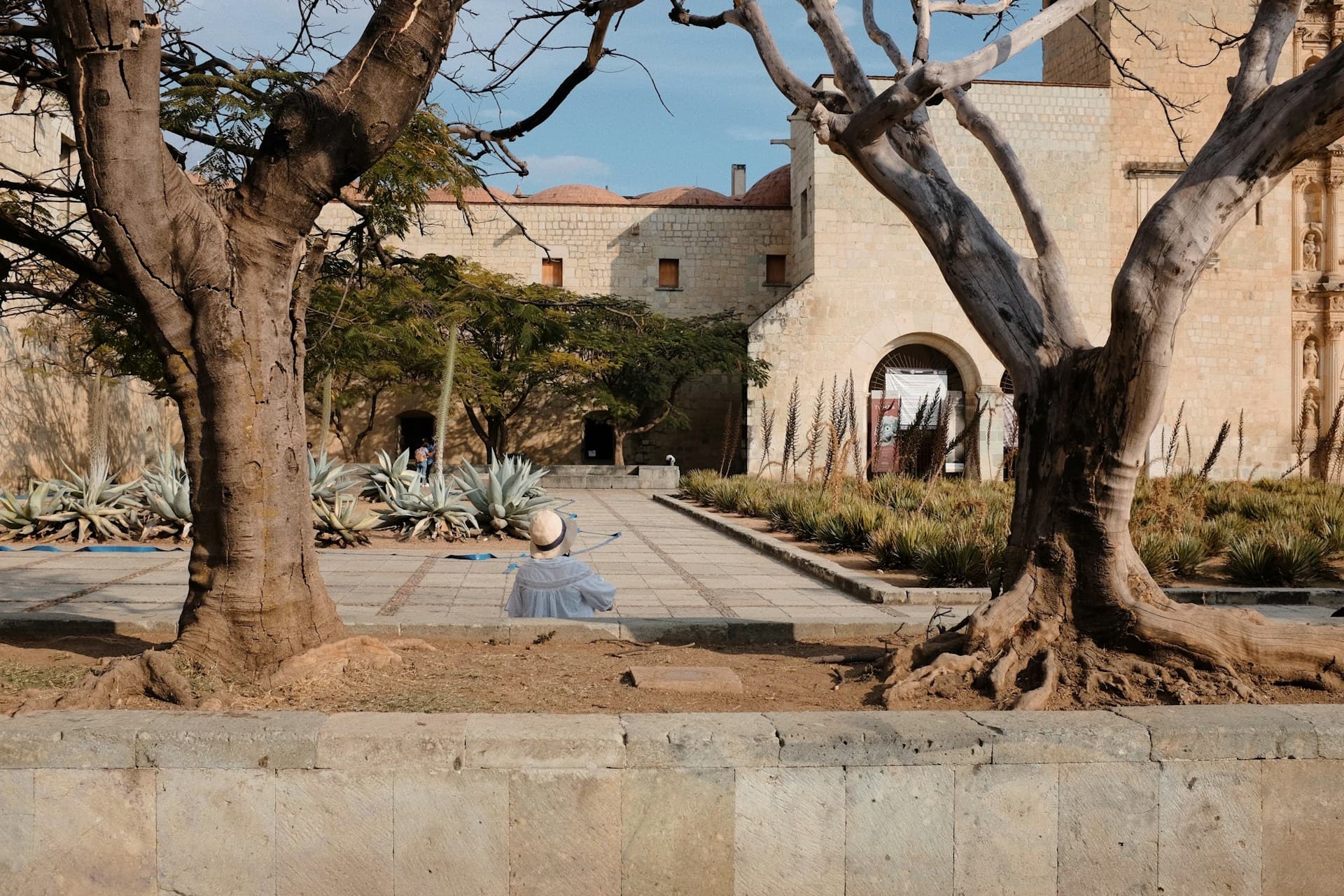
The museum occupies the former 17th-century convent buildings, designated as a UNESCO World Heritage site together with the adjoining church. The galleries unfold around the restored cloister, whose Dominican frescoes have been partially uncovered.
The permanent collection covers the major civilizations of the Oaxaca valley: Zapotecs, Mixtecs, and postclassic cultures. Pieces from Monte Albán, Mitla and other regional sites illustrate the evolution of pre-Hispanic funerary practices, writing systems and astronomy.
History and context
The Santo Domingo convent was founded by the Dominicans in the 16th century and completed in its present form during the 17th century. Following the Reform (Juárez Laws, 1859), it served as a military barracks for over a century, which damaged some of the decorative schemes. A major restoration, completed in the 1990s, allowed the museum to open within these rehabilitated spaces.
Tomb 7 at Monte Albán, excavated in 1932 by Alfonso Caso, yielded over 500 objects in gold, turquoise, bone and jade — one of the richest pre-Hispanic funerary assemblages ever discovered in Mexique.
Highlights of your visit
The treasure from Tomb 7 at Monte Albán
Gold pectorals, skulls inlaid with turquoise, jade necklaces: the room dedicated to this Mixtec funerary treasure is the museum's crowning glory. The pieces bear witness to pre-Hispanic metalworking of remarkable precision.
The cloister and Dominican frescoes
The cloister galleries preserve fragments of 17th-century frescoes depicting Dominican saints. The convent's austere baroque architecture contrasts with the richness of the interior collections.
The regional archaeology galleries
Zapotec funerary urns, carved stelae, polychrome Mixtec ceramics: these galleries allow you to understand the chronology of cultures that succeeded one another in the Oaxaca valley over more than two millennia.
Photography tips
Natural light in the cloister is optimal mid-morning. For the display cases in the treasure room, avoid flash — reflections on glass will spoil your shots. Frame the cloister arches in late afternoon for dramatic shadows on the stone.
Location and access
The museum is located on the Andador Macedonio Alcalá, approximately five minutes' walk north of Oaxaca's Zócalo. Access on foot from the historic center is straightforward and without difficulty. The main entrance opens onto the forecourt of the Santo Domingo de Guzmán church, whose baroque facade is visible from the street.
Guided tours in Spanish are offered on-site; inquire at reception for availability in English-speaking guides.
In the vicinity
- Santo Domingo de Guzmán Church — Adjacent to the museum, its interior is one of the most ornate baroque spaces in colonial Mexique.
- Oaxaca Ethnobotanical Garden — Located within the same convent complex, it brings together plants endemic to the State of Oaxaca.
- Oaxaca's Zócalo — Lively central plaza and natural departure point for exploring the historic center.
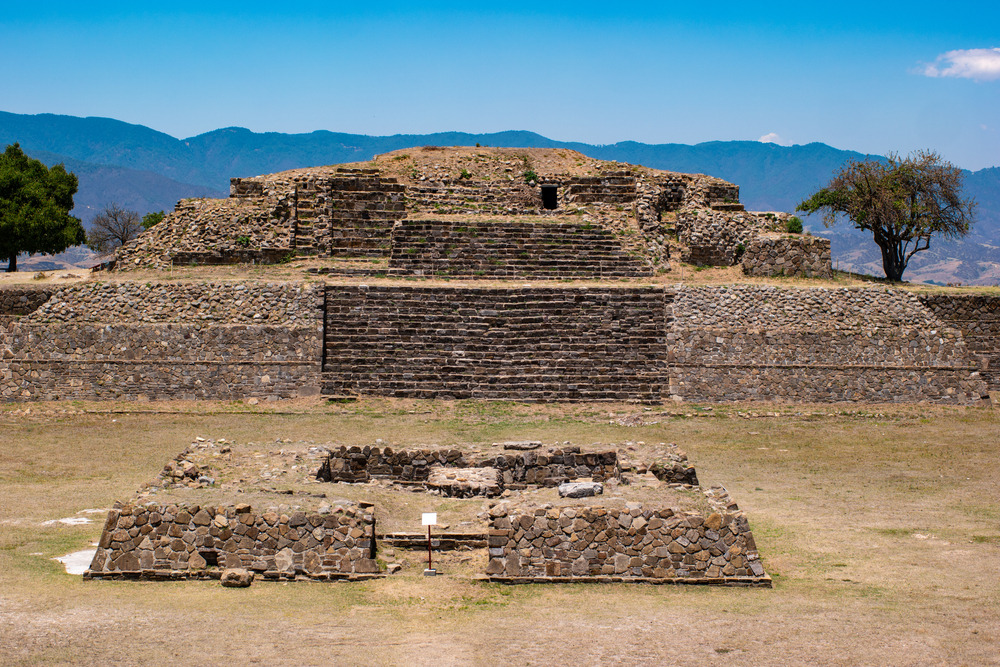
- Monte Albán — Zapotec archaeological site about ten kilometers from Oaxaca, source of the museum's masterpieces.
Frequently asked questions
No advance reservation is necessary for an individual visit. During peak season (Christmas, Holy Week, Día de Muertos), plan to arrive early to avoid queues.
Yes. Visit Monte Albán in the morning (shuttles from central Oaxaca) then the museum in the afternoon to put the objects back into their archaeological context.
The galleries are accessible and the golden pieces from Tomb 7 generally captivate children. Plan for a shorter visit (1 hour) with young children.
No, the ethnobotanical garden has its own separate ticket and guided tour times. Inquire directly at its entrance, which is distinct from the museum's.
Explanatory panels in Spanish and English accompany the collections. For more in-depth guidance, opt for a local guide available at reception or booked through your travel agency.
Nearby
Interested in this visit?
We can include it in your personalised itinerary.