Street Art of Oaxaca
Street Art of Oaxaca
Stencils with a message, monumental murals, and silkscreen prints: Oaxaca's street art extends into the streets a long tradition of Mexican graphic design, rooted in the social movement of 2006.
Oaxaca's street art is far more than urban decoration. It extends onto stone a tradition of political contestation and visual expression that has run through the city since the social uprising of 2006. Stencils, monumental murals, collages, and silkscreen posters form an open-air journey, particularly dense in the historic center and the peripheral neighborhoods of Xochimilco and Jalatlaco.
Why See Oaxaca's Street Art
Oaxaca is one of Latin America's capitals of engaged graphic art. The city brings together an artistic scene nourished by a long tradition of Mexican graphic design—that of José Guadalupe Posada and the Taller de Gráfica Popular—and by local political ferment. The works you encounter in the street are therefore not anonymous or merely decorative: many are signed by identified collectives, including the celebrated ASARO (Asamblea de Artistas Revolucionarios de Oaxaca), born from the context of the 2006 movement.
The result is a visual journey where stylized indigenous figures, social critique, references to calavera (the Mexican skull), Zapatista stencils, and typographic experiments coexist. Half a day of walking is enough to grasp the diversity of this production, which changes regularly as new works cover old ones and fresh interventions appear.
An Art Born from Social Movement
Oaxacan street art as we know it today is inseparable from the 2006 conflict, when a teachers' strike escalated into a broader popular movement (the APPO, Asamblea Popular de los Pueblos de Oaxaca). For several months, the city's walls became the primary medium for communication outside official media channels.
From this period emerged the ASARO collective, which revived political silkscreen printing and large-scale stenciling. Other workshops and artists have since taken up the mantle, some turning toward contemporary muralism, others claiming more international influences—hence the presence, on certain downtown walls, of a style close to pixação, the angular, vertical writing born in São Paulo in the 1980s.
Where to See Works Around the City
The Xochimilco Neighborhood
North of the historic center, Xochimilco is one of Oaxaca's oldest neighborhoods. Its quiet streets, low-rise houses, and stone archways serve as support for numerous murals. The density of works is high, and the residential atmosphere allows for quiet contemplation, free from tourist crowds.
Around the Templo de Santo Domingo
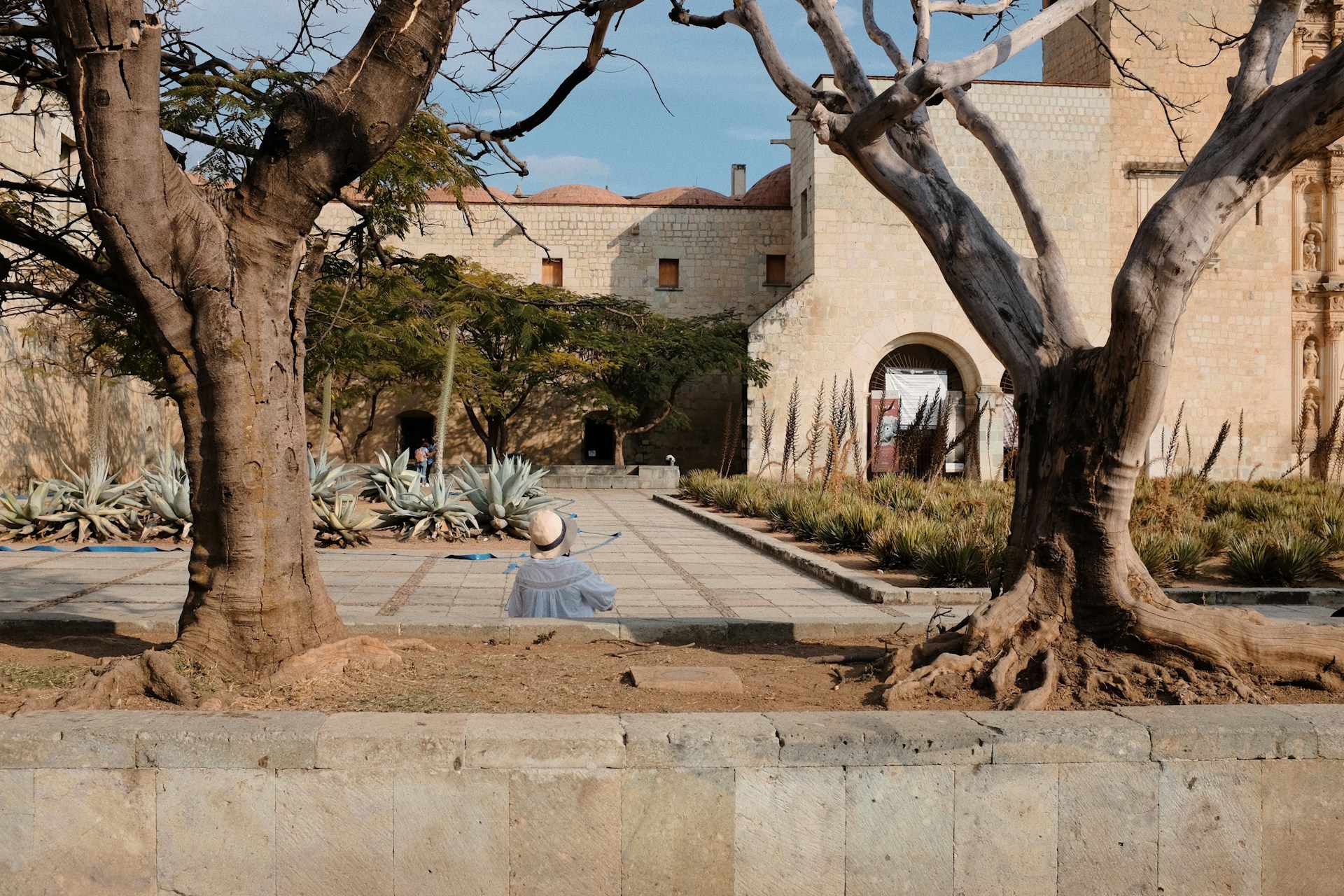
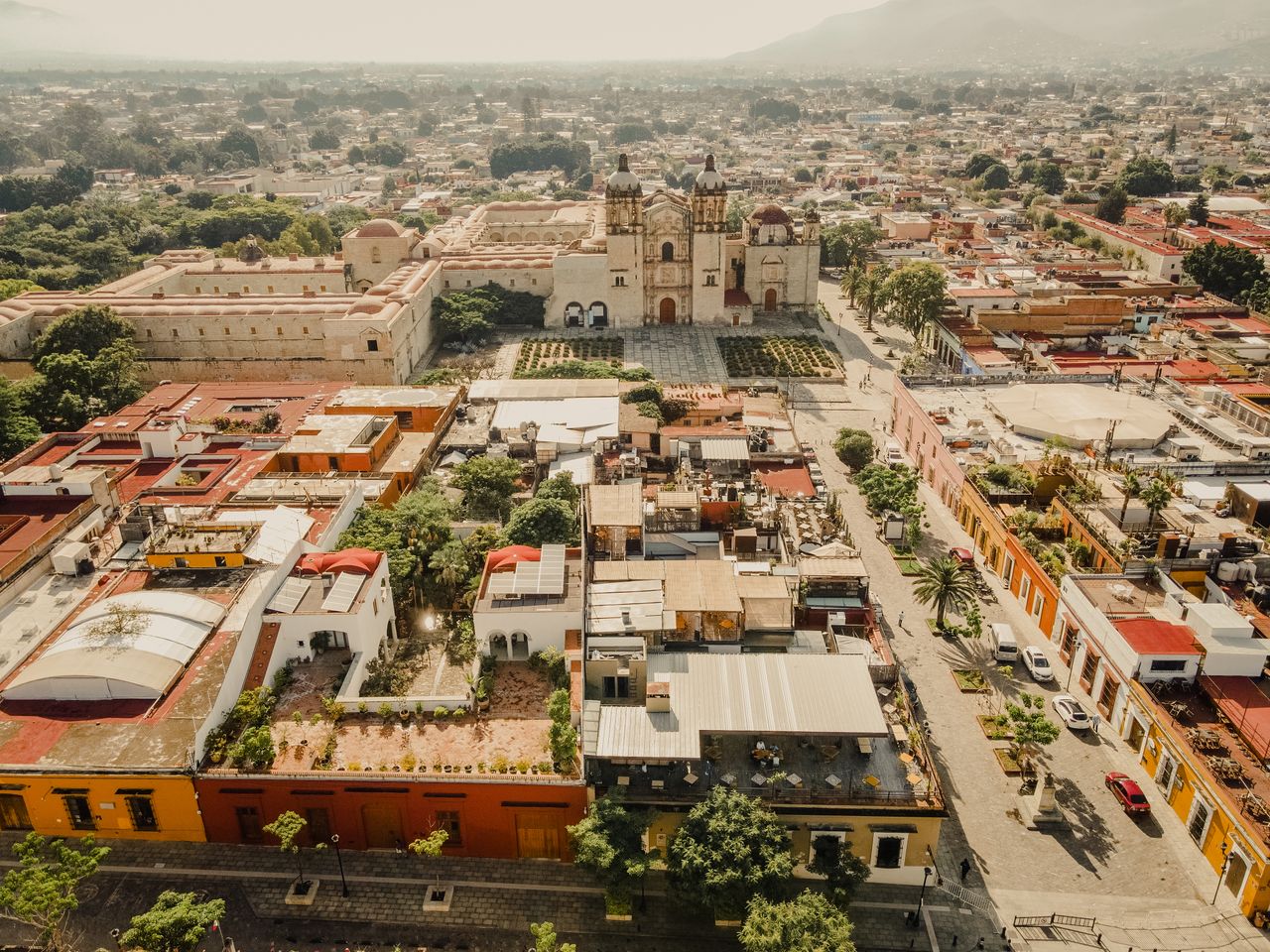
The sector surrounding the Templo de Santo Domingo, with its paved sidewalks and shaded streets, concentrates mostly silkscreen posters and small drawings pasted on walls and street furniture. This is where you'll spot the building marked with pixação-style tags, imported from the Brazilian graffiti scene.
Southeast of the Zócalo
Moving away from the central plaza toward the southeast, the tone shifts. Works here are more directly political: feminist demands, support for peasant and indigenous struggles, references to the disappeared. This is one of the sectors where mural rotation is fastest.
Jalatlaco and El Llano Park
To the northeast, the Jalatlaco neighborhood and the edges of El Llano park host large-scale murals, often commissioned as part of muralism festivals. Compositions here are more painterly than graphic, featuring monumental portraits and scenes inspired by Zapotec and Mixtec cultures.
Practical Tips for Your Visit
- Budget half a day to a full day to cover the main sectors on foot.
- Prioritize walking: distances between Xochimilco, downtown, and Jalatlaco are reasonable.
- Several downtown workshops offer thematic guided tours with local artists; inquire at galleries along Macedonio Alcalá street.
- Photography in the street is free; ask permission before photographing residents.
- The center is safe by day; as always, stay aware of your belongings in tourist areas.
When to Go
Light is most favorable in the morning and late afternoon, when it catches the colored facades without washing out contrast. The dry season, November through April, offers the best walking conditions. Two periods are especially interesting: late October–early November, around Día de los Muertos, when graphic production explodes across the city, and July, during the Guelaguetza, which inspires many new murals.
Nearby
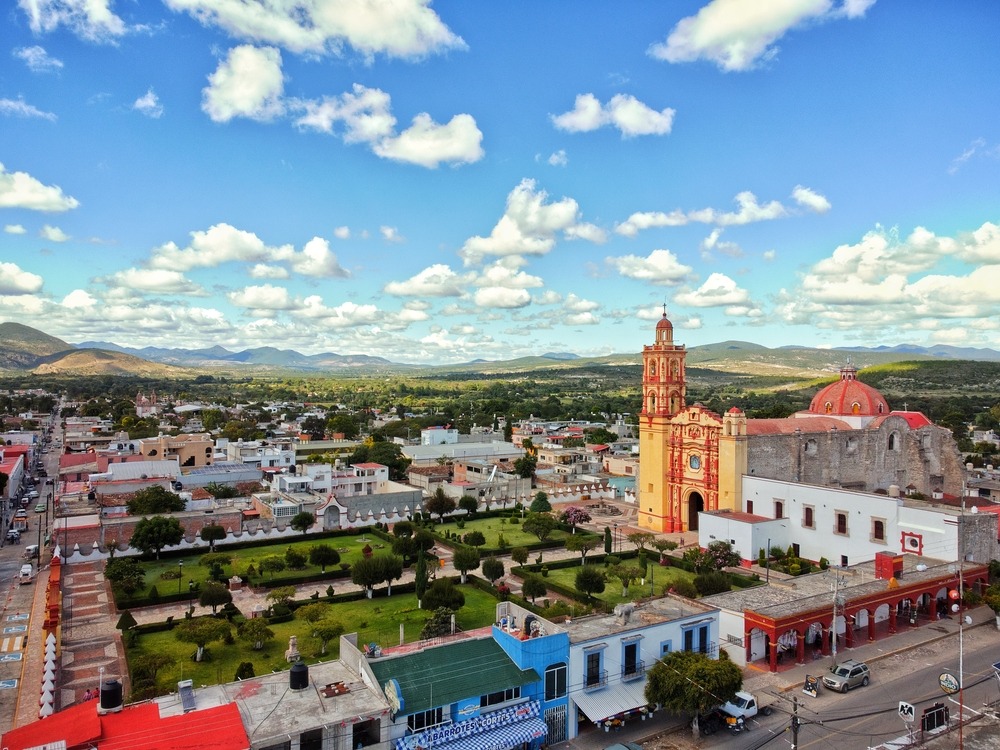
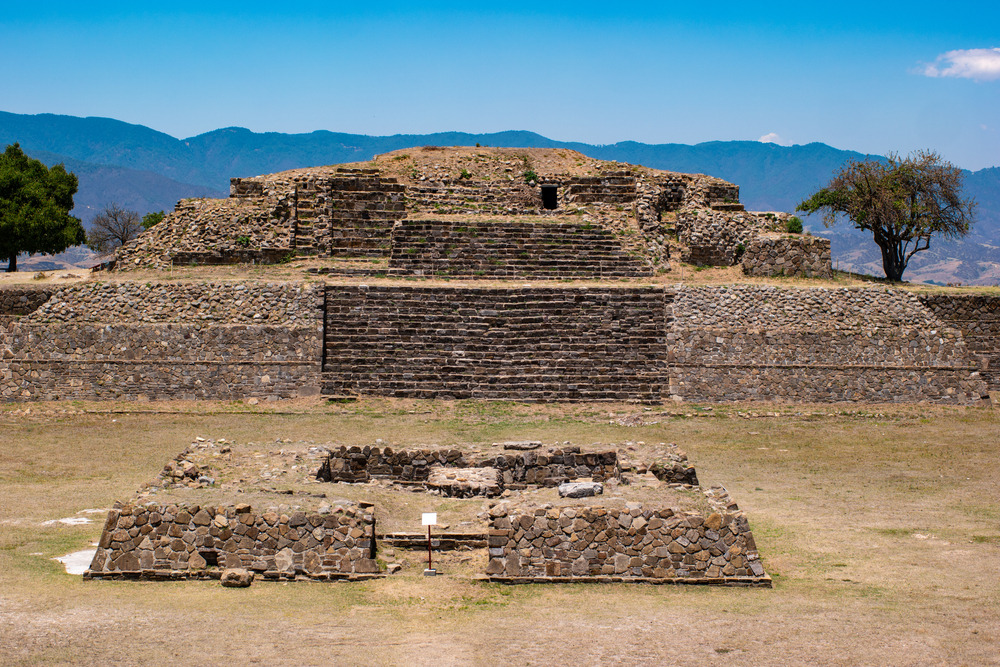
Street art fits into a broader discovery of the city and state of Oaxaca, whose markets, Zapotec sites (Monte Albán, Mitla), and gastronomy complement the visit. More broadly, Mexico offers other compelling urban scenes, worth comparing to sites like the Calakmul archaeological site or the Convent of San Bernardino de Siena in the Yucatán.
Frequently Asked Questions
Frequently asked questions
It's not essential, but a guided tour by an artist or specialized guide provides valuable context on collectives, political codes, and techniques. Several downtown workshops offer tours at a modest rate.
Yes, the works are in public space. Simply avoid framing residents without their consent, particularly in residential neighborhoods like Xochimilco or Jalatlaco.
The Asamblea de Artistas Revolucionarios de Oaxaca is a collective born in the wake of the 2006 social movement. It popularized silkscreen and stencil production centered on social, indigenous, and anti-authoritarian struggles.
No. Large-scale murals often last several years, but posters, stencils, and collages are regularly covered over. The visual landscape evolves from one visit to the next.
Yes, several downtown workshops—particularly around García Vigil street—sell original silkscreens at accessible prices. It's a way to directly support the local graphic scene.
Plan Your Trip
Oaxaca's street art is best appreciated when placed within the cultural and political context of the region. To build an itinerary combining cities, archaeological sites, and contemporary scenes, consult our Mexico travel suggestions.
Nearby
Interested in this visit?
We can include it in your personalised itinerary.