Oaxaca
Oaxaca
Nestled between the Sierra Madre and the Pacific, Oaxaca brings together Zapotec cities, artisanal mezcal, black mole, and unforgettable celebrations. Authentic Mexique.
Oaxaca is a state in southern Mexique renowned for its cultural wealth and diversity. It is home to numerous indigenous communities whose traditions remain very much alive. It is also a region known for its craftsmanship, gastronomy, popular festivals, and variety of landscapes—mountains, valleys, and Pacific coast.
Its History
Oaxaca's history stretches back more than two thousand years. The Zapotecs were the first to settle here, around 500 BCE. They built Monte Albán, a grand city perched high in the hills, which became a major political and cultural center of the region. Several centuries later, the Mixtecs took over, before the Aztecs established themselves in the valley in the 15th century. They named the place "Huaxyacac," a reference to the huaje trees growing on the hillsides—a name that would eventually become "Oaxaca."
When the Spanish arrived in the early 16th century, the region caught their attention, particularly because of local rivalries and natural resources. In 1521, Hernán Cortés sent his men and took control of the territory. The colonial city was officially founded a few years later under the name Antequera. In 1529, Emperor Charles V stripped Cortés of his military authority, but offered him in exchange a vast domain: the "Marquesado del Valle de Oaxaca," which would remain in the hands of his descendants until the early 20th century.
Under Spanish rule, Oaxaca became an important economic center, notably through silk and cochineal, an insect used to produce a highly prized red dye. It was also the birthplace of two major historical figures: Benito Juárez, the first president of indigenous origin in Mexique, and Porfirio Díaz, a military leader who became president and then dictator, remaining in power for more than three decades.
Discovering Oaxaca
The state of Oaxaca is located in southern Mexique, southwest of the Isthmus of Tehuantepec. It stretches between the mountains and valleys of the Sierra Madre del Sur and Sierra Madre Oriental chains. Its capital is Oaxaca de Juárez, which gives it its name. The state shares borders with Guerrero to the west, Puebla to the northwest, Veracruz to the north, and Chiapas to the east. To the south, it is bordered by the Pacific Ocean. With an area of 95,364 km², Oaxaca is the fifth-largest state in the country.
What to See in Oaxaca?
Oaxaca offers numerous sites to explore.
Here are some must-see attractions during your stay:
Templo de Santo Domingo
Built in the late 16th century by Dominican friars at Cortés's request, this church represents a typical example of baroque architecture from that era. Its structure was designed to withstand earthquakes. However, the interior was partially damaged in the 19th century when it served as military headquarters.
Museo de las Culturas de Oaxaca
The museum is located in the former Convent of Santo Domingo de Guzmán, adjacent to the church of the same name. This historic building showcases collections related to the region's history, art, and cultures. The visit offers a good overview of the local context before exploring the city and nearby archaeological sites. Some rooms also provide open views over the valley.
Museo de Arte Prehispánico Rufino Tamayo
The museum presents a collection of pre-Hispanic art objects assembled by painter Rufino Tamayo, a native of Oaxaca. The pieces on display come from different regions of Mexique and are organized in chronological order, from the preclassic period to the Aztec period. Together, they trace the evolution of ancient Mexique's cultures through their artistic productions.
Zócalo
The Zócalo is the main plaza in the city center. It is bordered to the south by the governor's palace, built in the late 18th century and then reconstructed several times after earthquakes. In the late afternoon, the plaza comes alive with mariachis and, occasionally, folk groups performing under the central kiosk. Both locals and visitors gather here to listen to music or dance.
Climate
Oaxaca offers rather stable weather, ideal for a family trip. Between October and May, the climate is dry, days are mild (around 25 to 30 °C), and perfect for strolls around the city or excursions. In the evening, especially between November and February, bring a light sweater: temperatures can drop to 5 °C in the morning.
From March to May, days are warmer, but still comfortable for children if you avoid outings during the hottest hours. The rainy season, from mid-May to late September, is mainly marked by afternoon showers, leaving plenty of time to enjoy activities in the morning. Simply remember to pack a light rain jacket.
Practical Information
By Air
This is the fastest way to arrive. Oaxaca's international airport (OAX) is connected to several major Mexique cities such as Mexico City, Cancún, and Guadalajara. Airlines like Aeromexico, Viva Aerobus, and Volaris operate frequent flights. From Mexico City, the flight takes approximately 1 hour 30 minutes.
By Bus
If you have more time, the bus is more economical and comfortable. The journey from the capital takes between 6 and 7 hours, depending on the route chosen. Departures are typically from the TAPO or Norte terminals in Mexico City. Several companies offer regular services with different comfort levels.
By Car
Renting a car allows you to travel at your own pace. The journey between Mexico City and Oaxaca takes approximately 5 hours. The road is in good condition, but includes winding mountain sections. This is a good option if you wish to explore the surrounding areas along the way.
By Private Transfer
Private car services with drivers are also available for those who prefer door-to-door travel—simpler and more comfortable, especially for families or small groups.
Attractions in Oaxaca
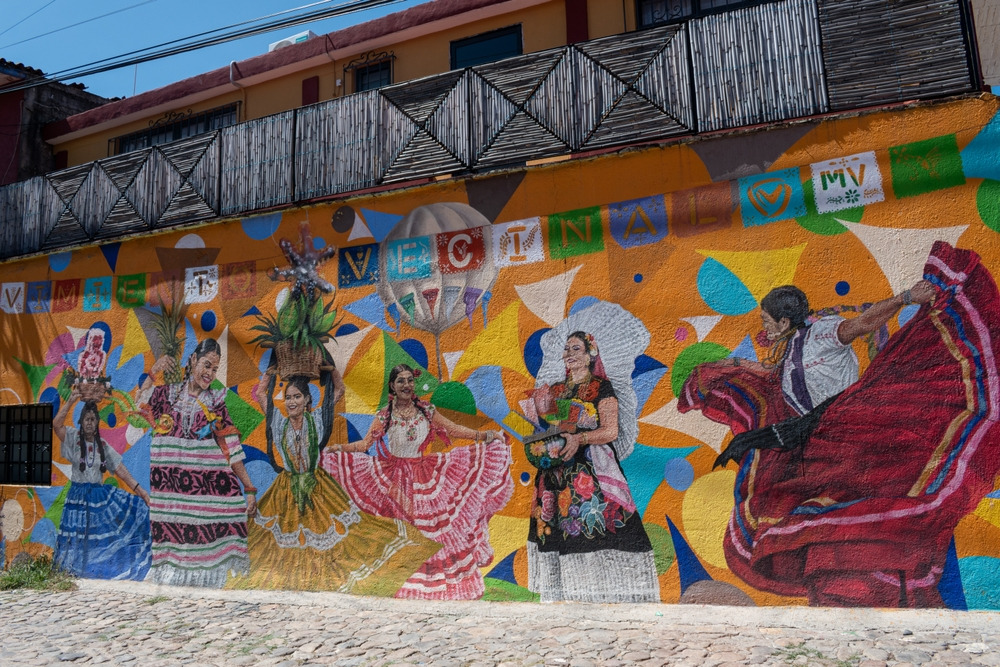
Art de rue d’Oaxaca
Pochoirs engagés, fresques monumentales et sérigraphies : le street art d'Oaxaca prolonge dans la rue une longue tradition graphique mexicaine, héritée du mouvement social de 2006.
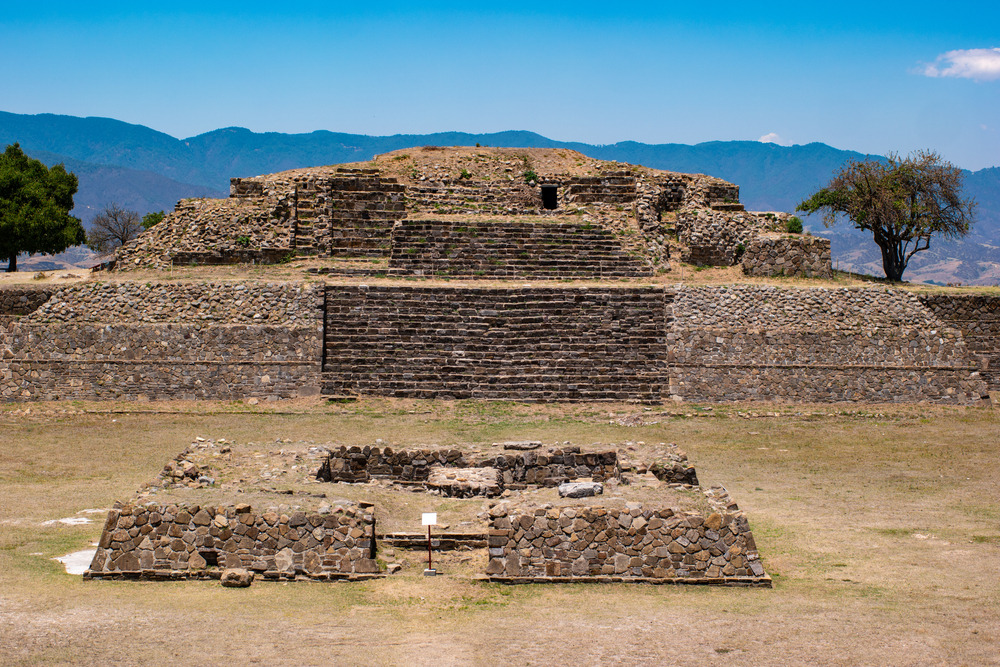
Monte Albán
Ancienne capitale zapotèque perchée à 1 940 m au-dessus d'Oaxaca, Monte Albán réunit pyramides, tombes peintes et jeu de balle sur une crête classée à l'UNESCO.
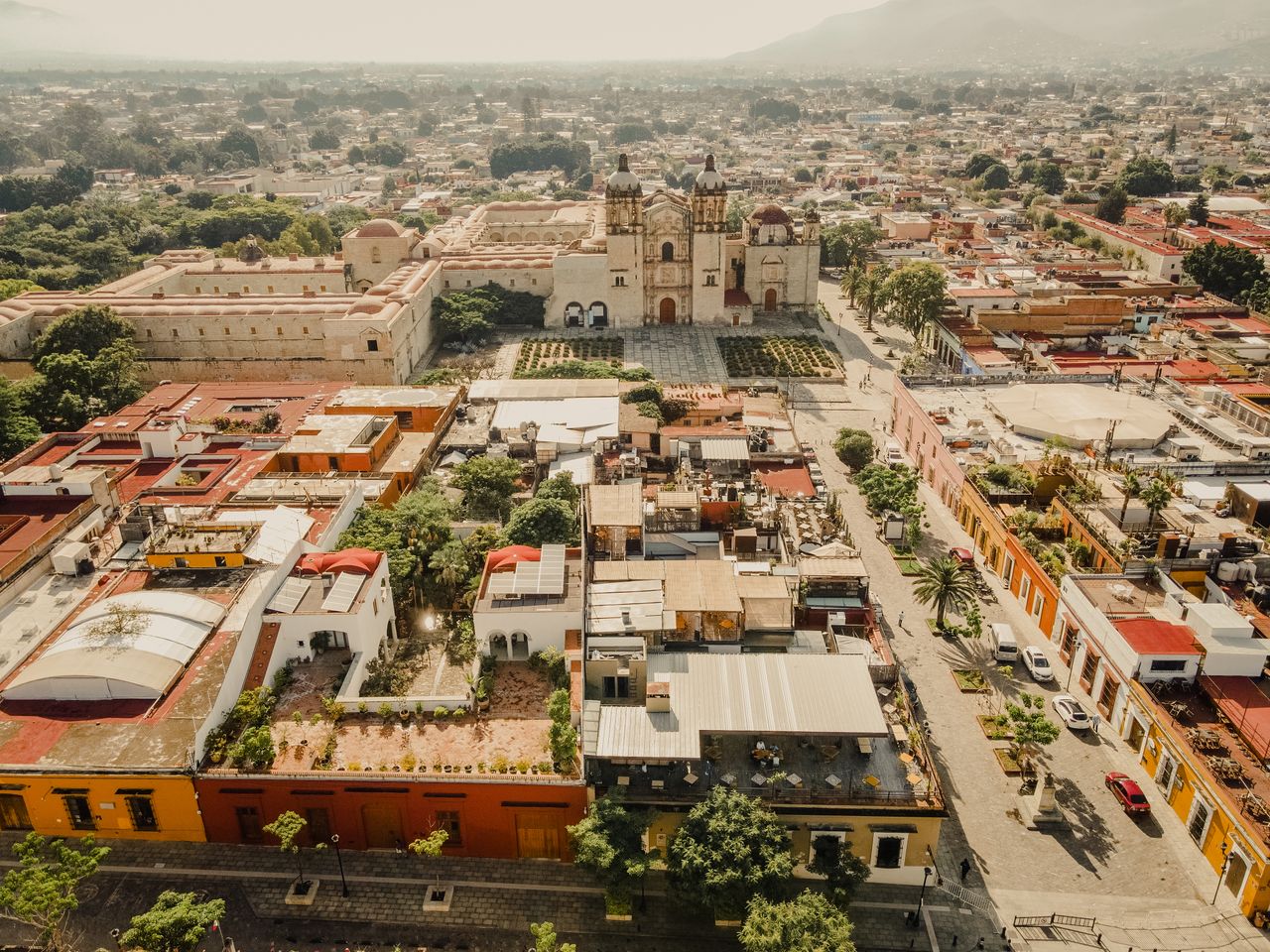
Zócalo d'Oaxaca (Plaza de la Constitución)
Place centrale d'Oaxaca de Juárez, le Zócalo concentre la cathédrale baroque en cantera verde, le Palais du gouvernement et ses fresques zapotèques.
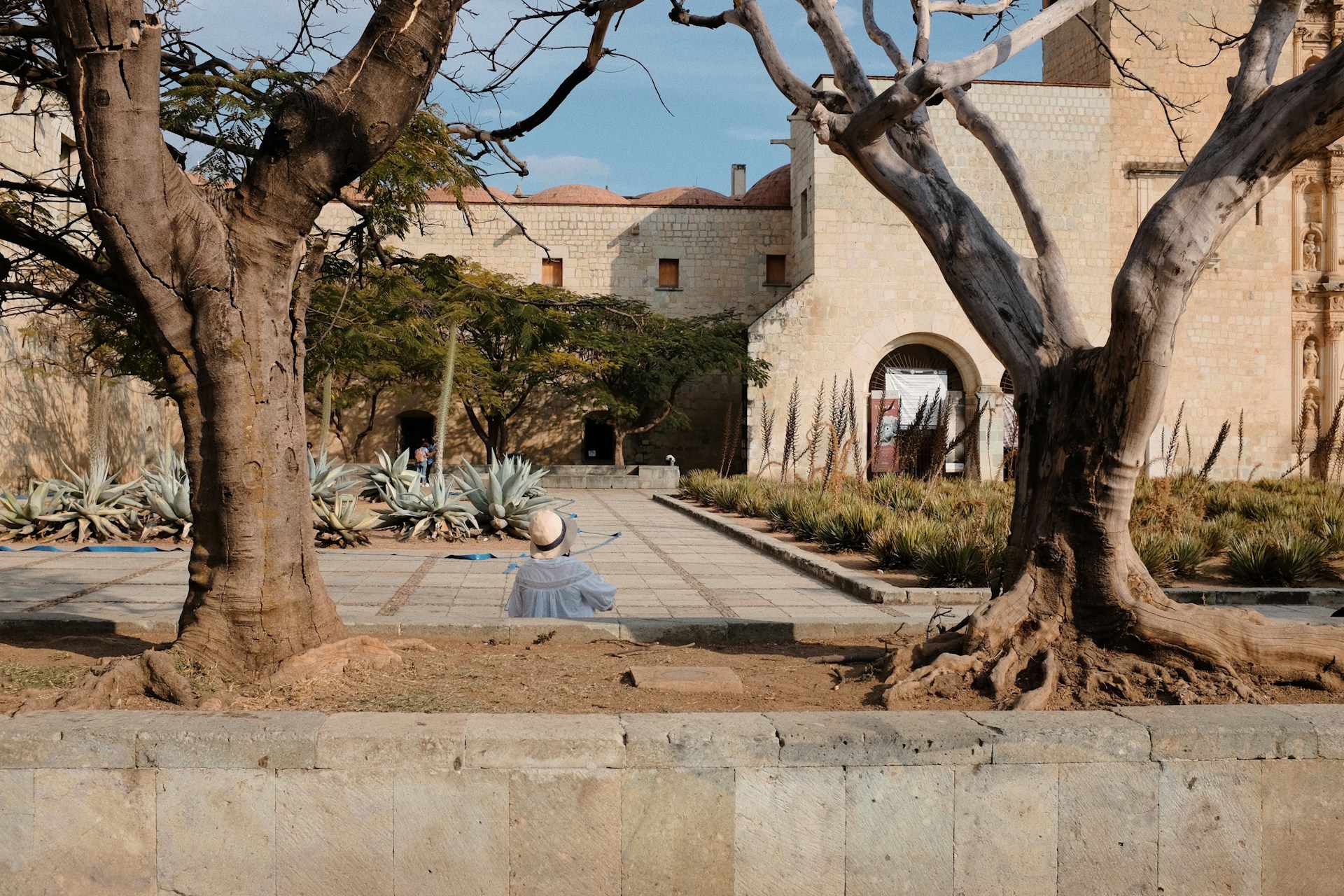
Museo de las Culturas de Oaxaca
Installé dans l'ex-couvent dominicain de Santo Domingo, le Museo de las Culturas d'Oaxaca abrite le célèbre trésor de la tombe 7 de Monte Albán.
Accommodation in Oaxaca
Want to discover this destination?
Our local advisors design your tailor-made trip.